Texas Democrats Aim to Repeal DEI Ban in Higher Education
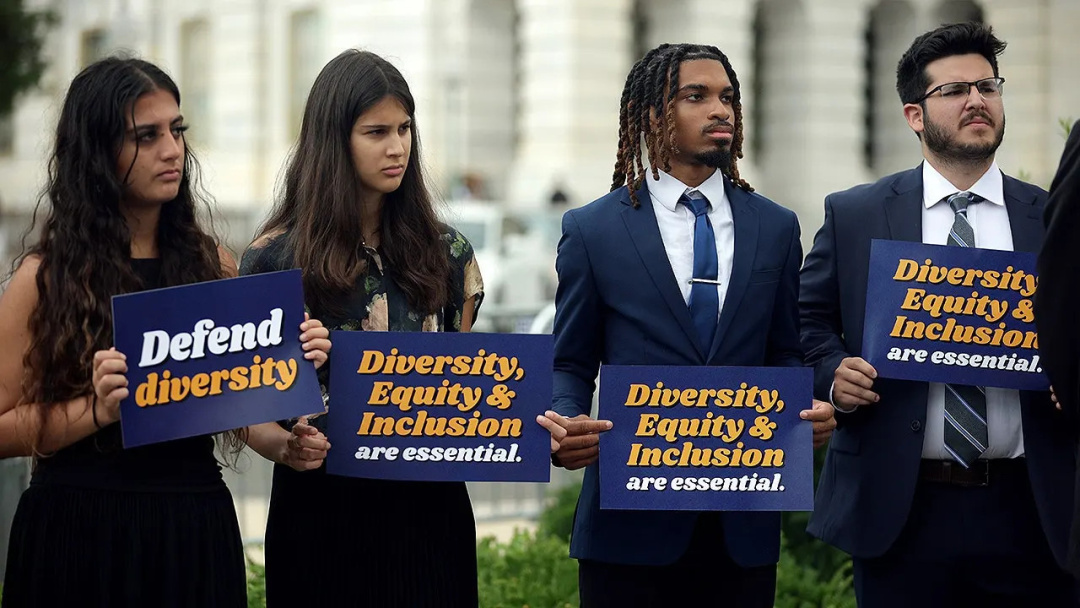
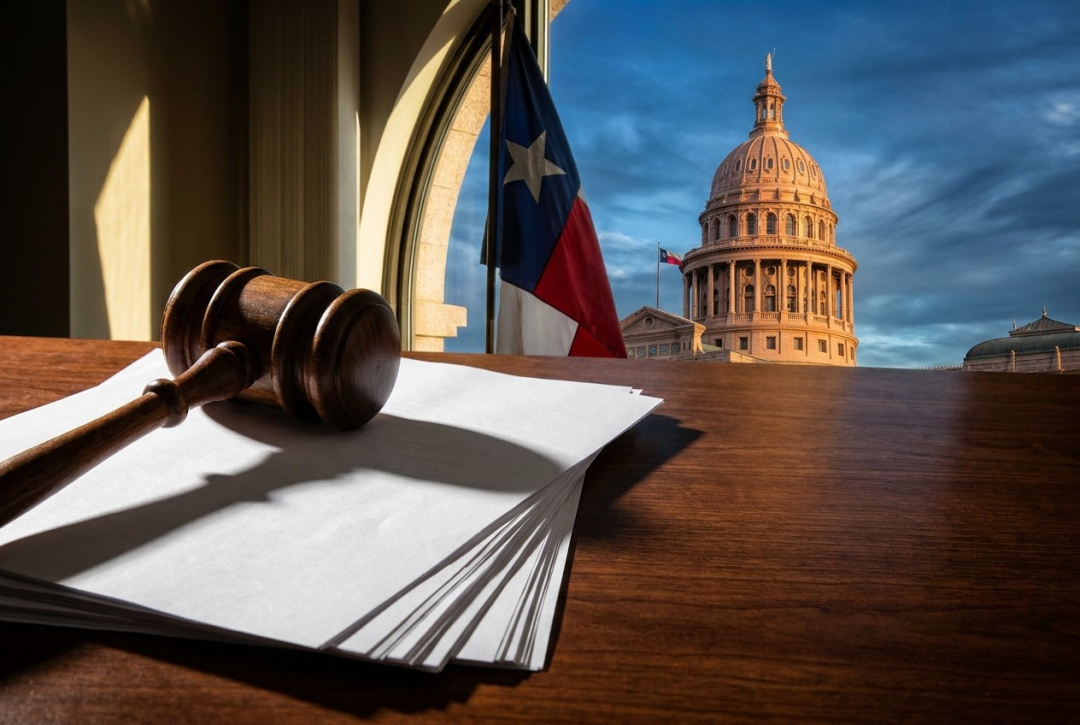
Texas Democrats are seizing the opportunity presented by their recent electoral successes to reintroduce diversity, equity, and inclusion (DEI) initiatives in public universities. With a new majority in the state House, they are advocating for the repeal of a 2023 law that banned DEI offices and programs at these institutions. The proposed bills, HB 358 and SB 125, aim to dismantle the restrictions imposed by the previous legislation, but they are expected to face significant challenges in the Republican-controlled Texas Senate.
The 2023 law, championed by Republican Governor Greg Abbott, was designed to eliminate DEI offices and prevent universities from compelling DEI statements from faculty and students. It also prohibited any preferences based on race, sex, color, ethnicity, or national origin, and banned mandatory DEI training for students and employees. Following its enactment, several universities, including the University of Texas at Austin and the University of Houston, took steps to dismantle their DEI programs, resulting in the closure of offices and the elimination of positions dedicated to these initiatives.
Common Sense Shop
The United States of Common Sense
Amazon shopping links. Sponsor Complete!
Despite the uphill battle the repeal efforts face, conservative policy experts express concern that even without a formal repeal, the enforcement of the DEI ban could weaken under Democratic appointments to university governing boards. Chuck DeVore, chief national initiatives officer for the Texas Public Policy Foundation, highlighted that while the Senate may block the repeal, there is a risk that DEI programs could resurface under different names or structures.
At a recent Texas Senate hearing, it was reported that the University of Texas System had closed numerous DEI offices and cut hundreds of positions related to these initiatives. However, critics argue that some universities have merely rebranded their DEI efforts rather than eliminating them entirely. For instance, Texas A&M University faced scrutiny for transferring employees from its dissolved Office for Diversity to other roles, raising questions about the true extent of its commitment to the DEI ban.
Democrats Face Challenges in Repeal Efforts
As Democrats push for the repeal, they may encounter obstacles in the form of Republican control over university regent appointments. The Texas Constitution allows certain gubernatorial appointees to remain in office after their terms expire, which could complicate the Democrats' plans. If the Senate declines to confirm new regent nominees, existing regents could continue to enforce the DEI ban, potentially stalling any attempts to undermine it.
The Common Sense Test
The implications of this political struggle extend beyond Texas. The state's approach to DEI reflects a broader national trend of dismantling similar programs in higher education and government. Following the Supreme Court's decision against race-based admissions preferences, Republican-led states have increasingly sought to limit DEI initiatives, positioning Texas as a key battleground in this cultural conflict.
With the political landscape shifting in Texas, the future of DEI programs remains uncertain. As Democrats gain ground, the question looms: will they succeed in reinstating DEI initiatives, or will Republican resistance keep these controversial programs at bay?