Texas Bill Proposes $1,500 Payments to All Households, Including Illegals

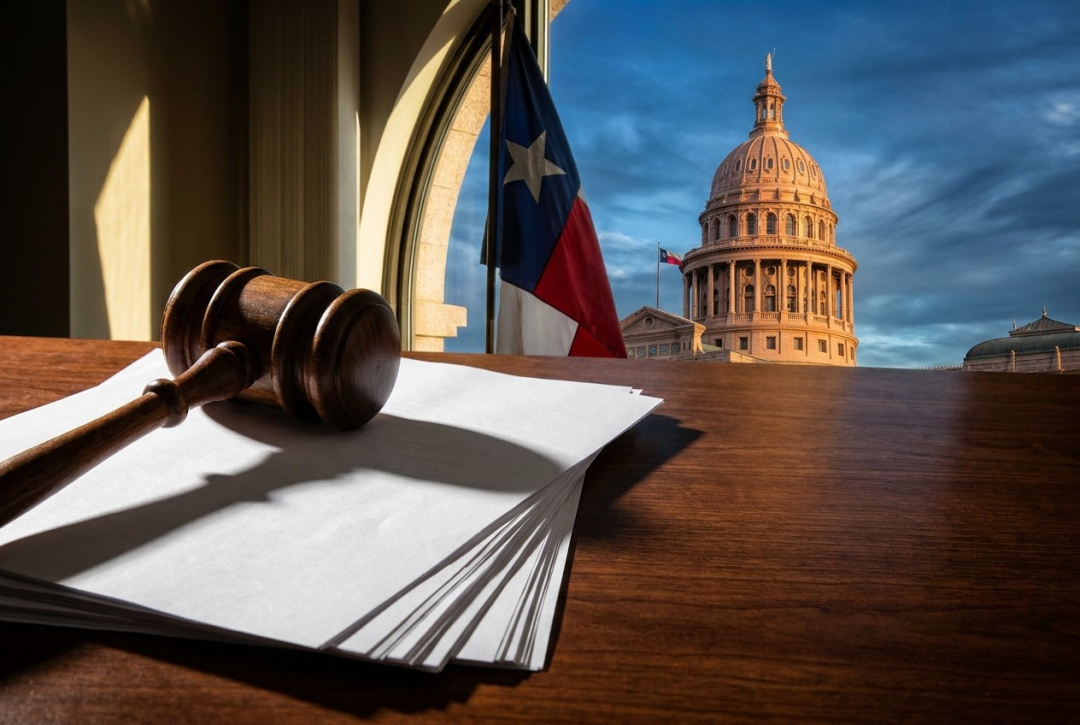
In a bold move, Texas State Senator Roland Gutierrez (D-San Antonio) has filed a bill that proposes to distribute $1,500 to every household in the state, including those of illegal aliens. This legislation, known as SB 297, aims to utilize the Texas Rainy Day Fund to provide what Gutierrez describes as "one-time emergency household economic relief payments" in response to a purported statewide affordability emergency. Importantly, the bill does not impose any restrictions based on citizenship or immigration status, allowing payments to be made to households established in Texas by January 1, 2027.
The proposed bill would draw approximately $17 billion from the Economic Stabilization Fund, commonly referred to as the Rainy Day Fund. With the fund currently holding around $27 billion, this initiative would deplete over 60% of Texas's emergency savings in one fell swoop. Governor-Elect Gina Hinojosa, who championed this initiative during her campaign, criticized the current handling of taxpayer funds, arguing that the surplus should be returned to Texans facing rising living costs.
Common Sense Shop
The United States of Common Sense
Amazon shopping links. Sponsor Complete!
Hinojosa's campaign website emphasizes her commitment to providing a "Corruption Tax Refund" to Texas families, asserting that the state has hoarded taxpayer money while residents struggle financially. She proposes that the remaining balance of approximately $10 billion in the Rainy Day Fund should be retained for fiscal responsibility, directing the legislature to return the excess to families.
However, should SB 297 pass, it is likely to encounter significant legal challenges. The Texas Constitution explicitly prohibits the Legislature from granting public money to individuals, with exceptions only for public calamities. The bill's attempt to categorize general inflation as a public calamity is a stretch, as courts have historically limited this definition to catastrophic events such as floods or wars.
Moreover, the bill's provisions could conflict with federal law. Under the Personal Responsibility and Work Opportunity Reconciliation Act of 1996, illegal aliens are typically ineligible for state or local public benefits. By offering direct cash payments without requiring proof of legal status, the bill could create a preemption conflict that invites legal scrutiny from the Department of Justice.
Concerns Over Immigration Incentives and Fairness
Critics of the bill argue that it would incentivize illegal immigration, as it provides a financial draw for undocumented households. Furthermore, the legislation lacks any income caps or requirements for tax filings, meaning that wealthy Texans would receive the same $1,500 payment as low-income families. This indiscriminate distribution of funds raises questions about the bill's fairness and efficacy.
The bill also raises concerns about potential fraud and administrative challenges. With no requirement for verification of identity or legal status, it opens the door to exploitation, reminiscent of the fraud seen in pandemic-era stimulus programs. The bill allocates 1% of the $17 billion for administrative overhead, necessitating the creation of a new welfare bureaucracy to manage the disbursement of funds.
The Common Sense Test
The economic implications of such a large cash infusion into the Texas economy are also troubling. Critics warn that the influx of $17 billion could exacerbate inflation, counteracting the very relief the bill aims to provide. Much of the current affordability crisis can be traced back to federal policies that have inflated the economy, making the proposed solution appear contradictory.
In summary, while the intention behind SB 297 may be to provide relief to struggling Texans, the bill is fraught with constitutional, fiscal, and practical challenges. The lack of safeguards regarding citizenship and income, combined with the potential for legal challenges, raises serious questions about the viability of this proposal. As it stands, the bill is unlikely to pass in the Republican-majority Texas Senate, but it serves as a clear indicator of the direction Texas Democrats are willing to pursue in their quest for economic reform.