Asian Oil Buyers Shift Focus to Africa and Brazil Amid Falling Tanker Rates
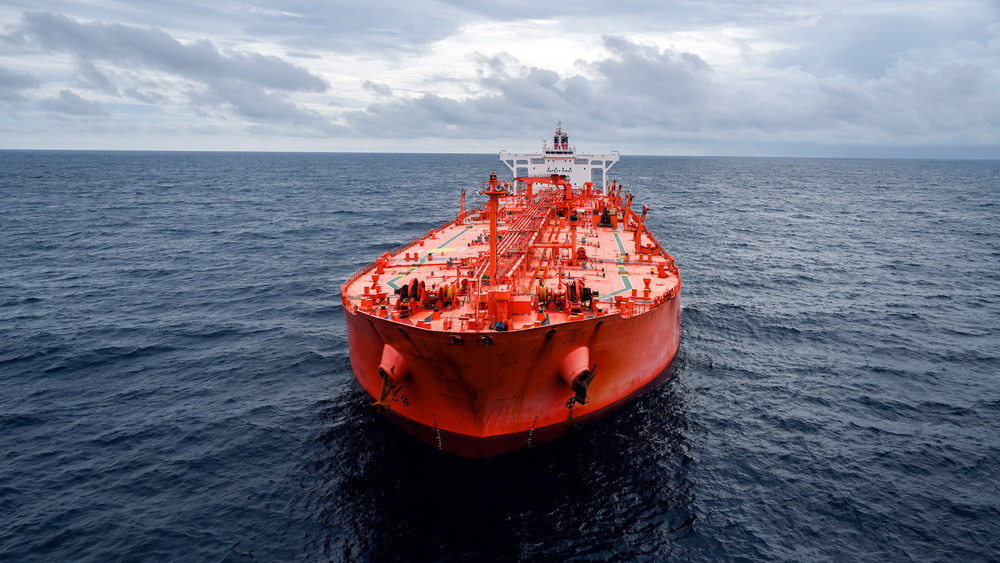
Asian energy commodity buyers are making a notable shift towards African and Brazilian oil grades, primarily motivated by lower prices. This trend comes as shipping rates for oil from the Persian Gulf remain at historically high levels. Earlier this year, freight rates for South American and African cargoes reached record highs, but recent declines have made these options more attractive to Asian buyers, according to a report from Reuters that cites various unnamed sources including traders, shipbrokers, and analysts.
Among the companies taking advantage of this shift is China’s Sinopec, which, along with South Korea's SK Energy, has recently acquired West African crude cargoes. Specifically, Sinopec’s trading arm, Unipec, purchased two cargoes of Djeno crude from Congo, reportedly at a discount of about $22 per barrel compared to dated Brent prices. Meanwhile, SK Energy has provisionally chartered a Suezmax tanker to transport crude from Gabon to the South Korean port of Ulsan in December.
Common Sense Shop
The United States of Common Sense
Amazon shopping links. Sponsor Complete!
Analysts from Energy Aspects indicate that Angolan crude is also gaining traction among Chinese buyers as the price of Russian ESPO crude continues to rise. The decline in long-haul Very Large Crude Carrier (VLCC) freight rates has made oil grades west of Suez more appealing. After reaching all-time highs last month, freight rates have plummeted by approximately 50% from their October peaks. The drop in rates for Suezmax and Aframax tankers has also been significant.
The recent correction in tanker rates can be attributed to an increase in vessel availability following a period of exceptional market tightness in October. According to Vortexa shipping analyst Wanying Zhang, the number of laden mainstream VLCCs and Suezmaxes in East Asia has increased by about 15% since early September, indicating a growing pool of vessels that could become available as they complete their discharge operations.
Surge in Tanker Rates and Their Decline
Earlier this year, tanker rates soared as Middle Eastern producers resorted to ship-to-ship transfers outside the Strait of Hormuz, utilizing shuttle tankers to transport oil discreetly. This method resulted in supertanker rates from the Gulf to Asia peaking at an astonishing $1.4 million daily in October, before the recent retreat in rates.
The Common Sense Test
This shift in buying patterns among Asian oil companies not only highlights the changing dynamics of the global oil market but also raises questions about the long-term implications for Middle Eastern producers. As Asian buyers increasingly turn to more affordable options in Africa and Brazil, it may signal a shift in the balance of power within the oil market, particularly if this trend continues. The ability of these buyers to secure favorable pricing amidst fluctuating shipping costs could reshape their sourcing strategies and impact global oil supply chains.
Ultimately, the recent trends in oil purchasing and shipping rates underscore the importance of market adaptability. Companies that can navigate the complexities of global oil logistics while maintaining cost-effectiveness will likely emerge stronger in this volatile environment. As the energy landscape evolves, it remains crucial for stakeholders to stay informed about these developments and their potential impacts on energy policy and pricing strategies moving forward.