Democrats Weigh Impeachment of RFK Jr. Amid Coalition Building Efforts
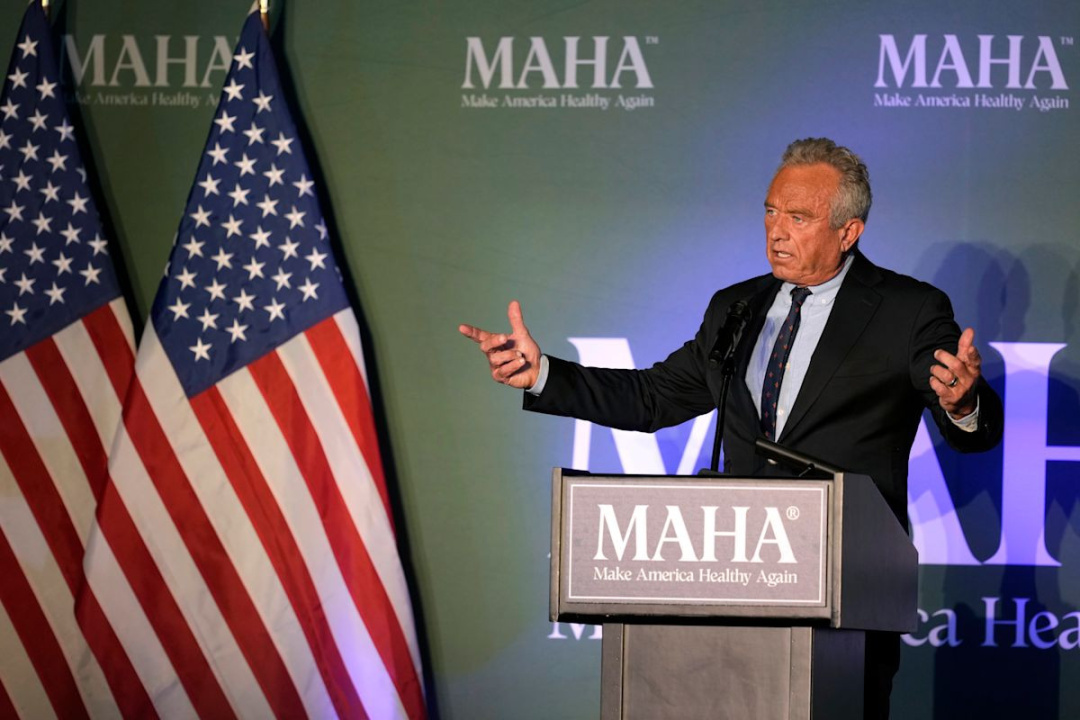
As the Democrats gear up to take control of Congress in January, one of their key oversight targets is Health Secretary Robert F. Kennedy Jr. His recent overhaul of vaccine guidance and significant cuts to medical research have sparked intense criticism from various lawmakers. Some prominent Democrats are even suggesting impeachment as a possible course of action.
However, this potential move could clash with another priority for many in the party: building bridges with Kennedy's supporters from the Make America Healthy Again (MAHA) movement. These activists, who view Kennedy as a pivotal ally, could provide valuable political support, making it crucial for Democrats to find a delicate balance between accountability and collaboration.
Common Sense Shop
The United States of Common Sense
Amazon shopping links. Sponsor Complete!
"It's an unenviable position for Democrats to be in," remarked Matt Motta, a public health professor at Boston University. He pointed out that while lawmakers must address the concerns of their left-leaning base demanding accountability from Kennedy, they also need to avoid alienating MAHA voters. With measles outbreaks on the rise, the pressure is mounting for Democrats to hold Kennedy accountable for his vaccine policies.
Some MAHA activists express a willingness to work with Democrats on shared initiatives, such as regulating pesticides and improving school lunches. Yet, if extensive investigations or hostile actions are taken against Kennedy, these collaborations could be jeopardized. Mark Gorton, president of the Kennedy-aligned MAHA Institute, cautioned that continued aggression towards Kennedy could alienate MAHA voters who are invested in combating corporate influence in health policy.
Kennedy, who was a lifelong Democrat before running for president as an independent in 2024 and aligning himself with Donald Trump's campaign, has faced increasing scrutiny from his former party. Democrats have criticized his department for staffing cuts made under the guise of government efficiency and for eliminating scientific studies deemed overly focused on diversity and inclusion.
Following the recent midterm elections, calls for Kennedy's resignation have intensified. Senator Raphael Warnock of Georgia took to social media to suggest that Kennedy should resign to avoid spending the next two years testifying before Congress. Representative Jamie Raskin, likely to chair the House Judiciary Committee, has pledged to investigate Kennedy's alleged misconduct. Additionally, Senator Bernie Sanders has expressed openness to the idea of impeachment, indicating that Kennedy's actions will be closely monitored.
Senate Investigations and Accountability Measures
Senator Ron Wyden of Oregon, who is expected to chair the Senate Finance Committee, has announced plans to hold Kennedy accountable for decisions that have negatively impacted children's health and increased healthcare costs. Wyden has already initiated two investigations into Kennedy's actions, including the accuracy of his testimony regarding a trip to Samoa and his acceptance of substantial gifts.
While many Democrats are eager to see Kennedy face consequences for his actions, others remain open to collaboration. With elements of the MAHA movement resonating with a broader audience, including those disillusioned with the Trump administration, there exists a unique opportunity for coalition building. Recent accusations from MAHA advocates against the White House for prioritizing lobbyist interests over public health further complicate the political landscape.
Democrats are also preparing to address wider healthcare issues that resonate with many Americans, such as reinstating tax credits for the Affordable Care Act and reversing Medicaid funding cuts imposed by Republicans. The ability to successfully navigate these changes will be crucial for maintaining support among independent and swing voters, as noted by Motta. Ultimately, the pressing need for affordable healthcare will determine which lawmakers earn the trust of voters moving forward.
The Common Sense Test
As Democrats balance their oversight responsibilities with the need to foster relationships with MAHA supporters, the path ahead remains fraught with challenges. The potential for impeachment proceedings against Kennedy could create divisions within the party, complicating efforts to advance shared legislative goals. However, if Democrats can effectively address the concerns of both their base and Kennedy's followers, they may find a way to navigate this complex political terrain successfully.
Ultimately, the question remains: can Democrats hold Kennedy accountable while still engaging with his supporters on critical health issues? The stakes are high, and the outcome will likely shape the political landscape for years to come. As the new Congress convenes, the ability to balance accountability with collaboration will be key to achieving meaningful progress in health policy and beyond.