Democrats Outline Legislative Priorities After Midterm Success
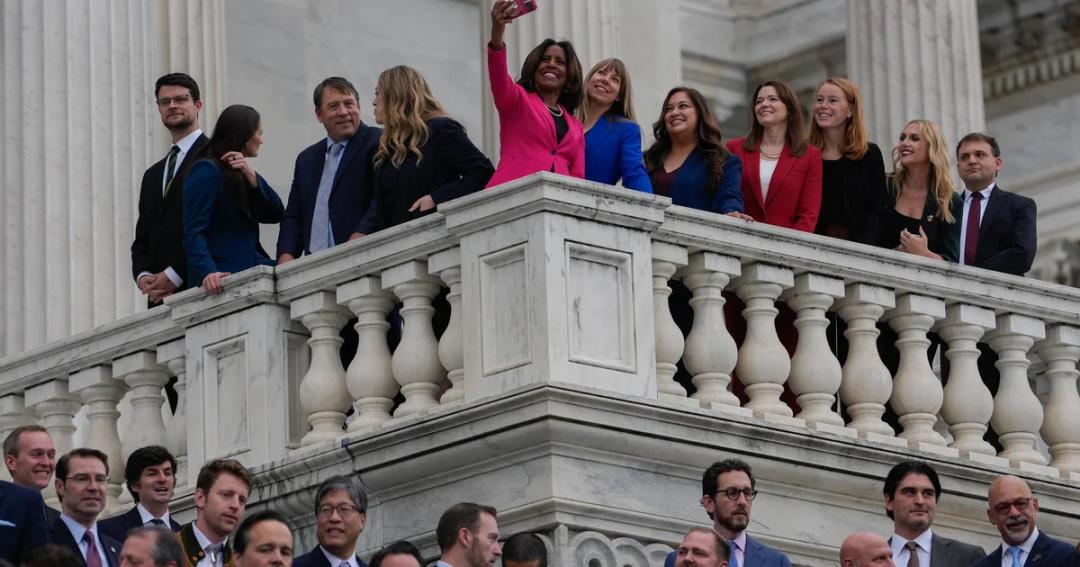
In the wake of the midterm elections, Democrats gathered in Denver to assess their path forward and respond to the clear message from voters: they want results, not ideological battles. Pennsylvania Governor Josh Shapiro, who played a pivotal role in flipping four House seats in his state, articulated the party's need to prioritize governance that addresses the concerns of everyday Americans. He urged his fellow Democrats to focus on lowering costs, expanding affordable housing, and protecting consumers, steering clear of divisive ideological skirmishes.
Shapiro's remarks came during a conference aimed at strategizing how to leverage their newly secured majorities in both the House and Senate. He described the election results as a mandate from voters, calling for aggressive action on issues like economic fairness, innovation, and competition. His vision for a stronger "American bargain" for working families reflects a broader Democratic strategy to address pressing economic challenges while avoiding the pitfalls of political chaos.
Common Sense Shop
The United States of Common Sense
Amazon shopping links. Sponsor Complete!
While some newly elected Democrats, such as Texas Senator-elect James Talarico, expressed optimism about collaborating with President Trump, others voiced skepticism. Talarico emphasized the urgency of working with the President, stating that the American people cannot afford to wait for change. He suggested that the final two years of Trump's presidency should be the most productive yet, a sentiment that underscores the desire for bipartisan cooperation.
However, New Jersey Governor Mikie Sherrill cautioned against the potential pitfalls of negotiating with Trump. Drawing from her experiences, she warned that the President often leverages negotiations to his advantage without delivering on commitments. Sherrill advised her colleagues to assert their agenda and present it to Trump, indicating that any cooperation should be conditional on the President's willingness to engage substantively.
Strategies for Effective Legislative Action
Virginia Governor Abigail Spanberger echoed these sentiments, arguing that expecting Trump to honor agreements could be misguided. She suggested that Democrats should focus on passing popular legislation and sending it directly to the President's desk, bypassing pre-negotiations. This approach, she argued, would allow Democrats to demonstrate their responsiveness to voter concerns while holding Trump accountable for any inaction.
Despite the celebratory atmosphere in Denver, Democratic leaders recognized that their recent victories do not guarantee long-term support from voters. Senator Ruben Gallego of Arizona warned that the election results represent a temporary opportunity rather than an unconditional mandate. He characterized the current political landscape as a "short-term loan" that Democrats must continue to repay through effective governance and responsiveness to constituents' needs.
The Common Sense Test
As Democrats prepare to take control of Congress, they face the dual challenge of delivering on their promises while managing the complexities of working with a Republican President. The emphasis on pragmatic governance and economic issues reflects a strategic pivot aimed at maintaining voter trust. With the midterm elections signaling a desire for results, the pressure is on Democrats to navigate the political landscape effectively and translate their electoral success into tangible benefits for the American people.
Ultimately, the success of the Democratic agenda will hinge on their ability to work collaboratively while remaining true to the principles that resonate with their constituents. The upcoming legislative session presents a critical opportunity for Democrats to demonstrate their commitment to addressing the pressing issues facing Americans today. As they embark on this new chapter, the question remains: will they rise to the occasion and deliver meaningful results, or will they fall back into the cycle of political theater?