Connecticut Teacher Sues Over Suspension for Classroom Crucifix Display

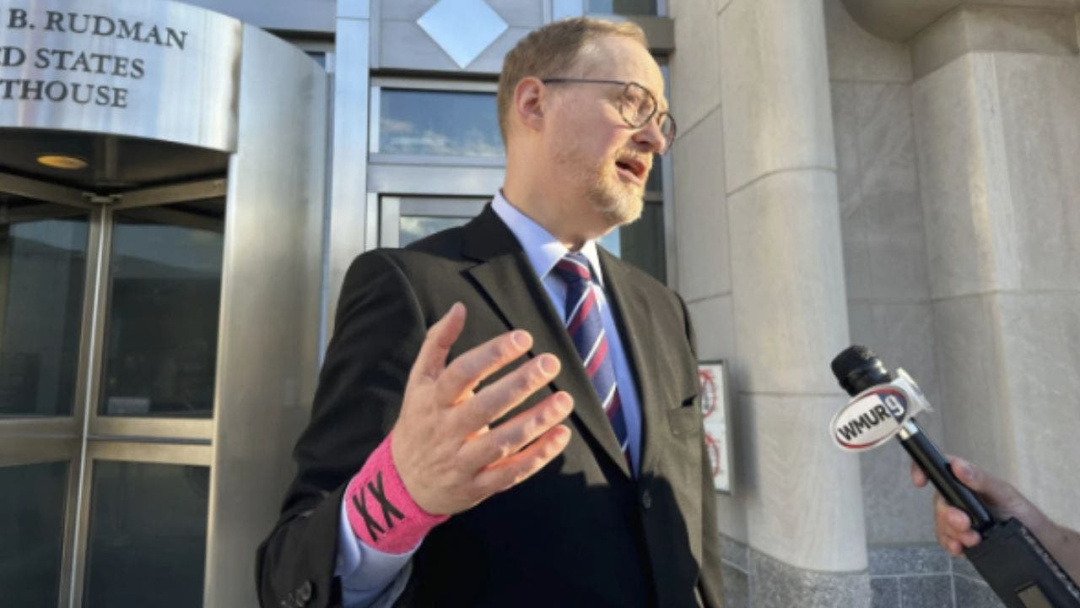
Marisol Arroyo-Castro, a public school teacher in Connecticut, is taking her case to a federal appeals court after being suspended for refusing to remove a crucifix she had displayed in her classroom for nearly ten years. The teacher, who taught middle-school social studies at DiLoreto Elementary & Middle School in New Britain, argues that the crucifix is a personal expression of her faith and provides her comfort during her workday. However, school administrators ordered her to take it down, warning that failure to comply could result in disciplinary action.
The conflict escalated in December 2024 when Arroyo-Castro was reprimanded for insubordination after refusing to remove the crucifix. Following this, the school district suspended her for two days without pay and later placed her on paid administrative leave, reassigning her to a non-teaching role in March 2025. Arroyo-Castro described the crucifix as a source of calm while grading papers and completing other classroom tasks, emphasizing that it was a personal symbol rather than a public endorsement of religion.
Common Sense Shop
The United States of Common Sense
Amazon shopping links. Sponsor Complete!
In January 2025, Arroyo-Castro filed a federal lawsuit alleging that the school district violated her First Amendment rights by restricting her religious expression. A federal judge denied her request for a preliminary injunction in November 2025, ruling that the display of the crucifix constituted government speech. This decision prompted Arroyo-Castro to appeal to the US Court of Appeals for the Second Circuit, where her legal team argues that the crucifix represents private religious expression.
Legal Arguments for Religious Expression Rights
Becky Rees Dummermuth, senior counsel at First Liberty Institute, which represents Arroyo-Castro, stated that the appeal will focus on the protections afforded to teachers' private religious expression under the First Amendment. Dummermuth referenced the US Supreme Court's 2022 decision involving former high school football coach Joe Kennedy, which upheld the right of public school employees to engage in private religious expression at work.
The Common Sense Test
The school district has defended its actions, asserting that the dispute extends beyond the presence of the crucifix. According to the district, concerns arose from a broader pattern of statements and actions that allegedly raised issues regarding the treatment of students from various religious backgrounds. The district claims it offered Arroyo-Castro alternative ways to practice her faith without infringing on the religious freedoms of her students, but these options were declined.
As the appeals court prepares to hear the case on December 7, 2026, it will consider whether Arroyo-Castro's display of the crucifix constitutes protected private religious expression or if the school has the authority to regulate such displays in the classroom. This case not only emphasizes the delicate balance between religious expression and school policies but also highlights the ongoing debate surrounding First Amendment rights in public education.