Florida AG Uthmeier Declares Bump Stocks Protected by Second Amendment
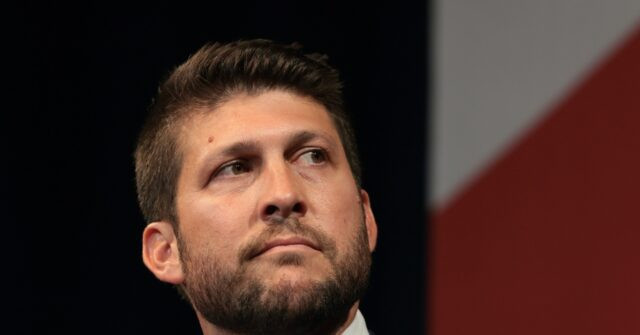
Florida Attorney General James Uthmeier took to social media to clarify his office's position regarding bump stocks, stating unequivocally that it will not defend any convictions under the 2018 Florida bump stock ban. This announcement comes amid ongoing discussions about the legality and implications of such bans on firearm accessories.
In his post, Uthmeier explained how bump stocks function and highlighted the troubling nature of the existing law, which he argues is excessively broad. He noted that the law subjects individuals to severe penalties, including up to five years in prison, for using trigger enhancements that are often employed for lawful purposes.
Common Sense Shop
The United States of Common Sense
Amazon shopping links. Sponsor Complete!
Uthmeier pointed out that bump stocks are not merely accessories but have legitimate uses, particularly for self-defense. He referenced the historical context of their creation, which was partly to assist disabled Americans in utilizing firearms more effectively. This perspective aligns with a broader interpretation of the Second Amendment, which Uthmeier argues protects not just firearms but also the equipment that enhances their operation.
He cited the Supreme Court case United States v. Miller, which recognized that the Second Amendment safeguards not only operable weapons but also supplementary equipment deemed useful for their operation. Uthmeier's assertion is that bump stocks fall within the category of 'arms' protected by the Second Amendment's plain text.
Challenging the Constitutionality of Gun Restrictions
Furthermore, he contended that the ban on bump stocks cannot withstand scrutiny under the Bruen test established in 2022, which requires that any restrictions on the Second Amendment must be consistent with historical understanding and practice. Uthmeier's legal opinion, issued alongside his post, effectively declares the law unconstitutional.
This move by Uthmeier is significant as it reflects a growing trend among state officials to push back against restrictive gun laws that they believe infringe upon constitutional rights. His office's refusal to defend the bump stock ban could set a precedent for similar challenges to other gun control measures in the future.
The Common Sense Test
Uthmeier's stance not only underscores the ongoing debate surrounding gun rights and regulations but also highlights the importance of adhering to constitutional principles in legislative actions. By recognizing the constitutional protections afforded to bump stocks, Uthmeier is advocating for a broader interpretation of the Second Amendment that aligns with the rights of individuals to defend themselves.
As this issue unfolds, it remains to be seen how other states will respond and whether similar legal challenges will arise nationwide. The conversation surrounding gun rights is far from over, and Uthmeier's declaration could serve as a rallying point for advocates of Second Amendment rights across the country.