Rubio: No Need for U.S. Military Action Against Iran as Diplomacy Advances
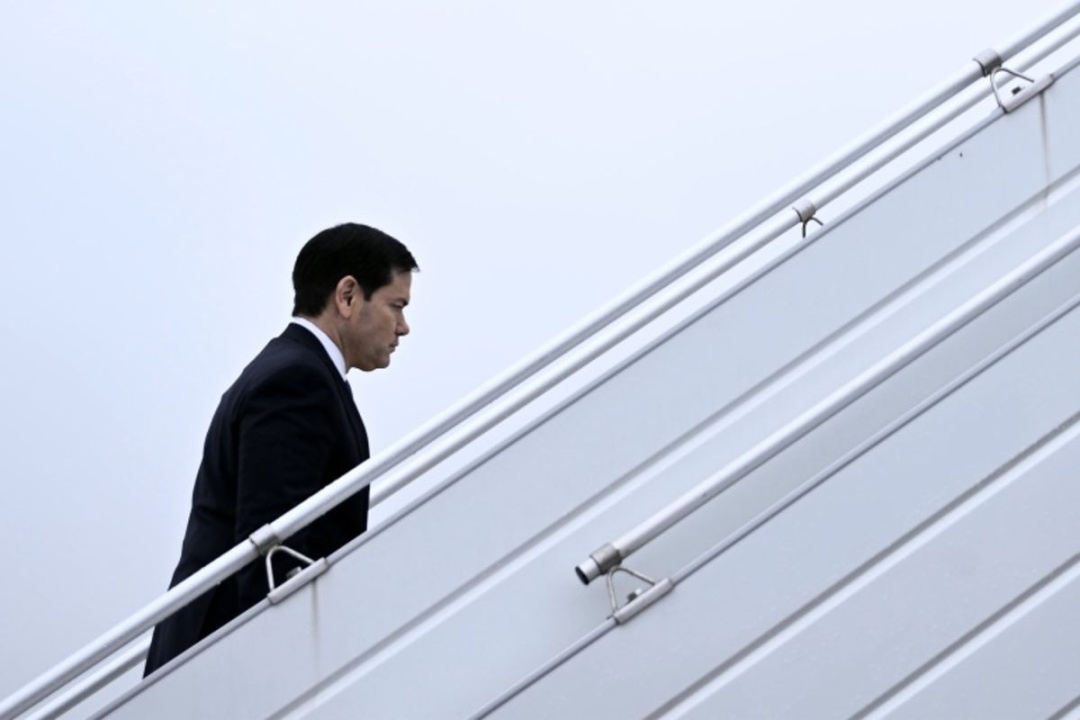
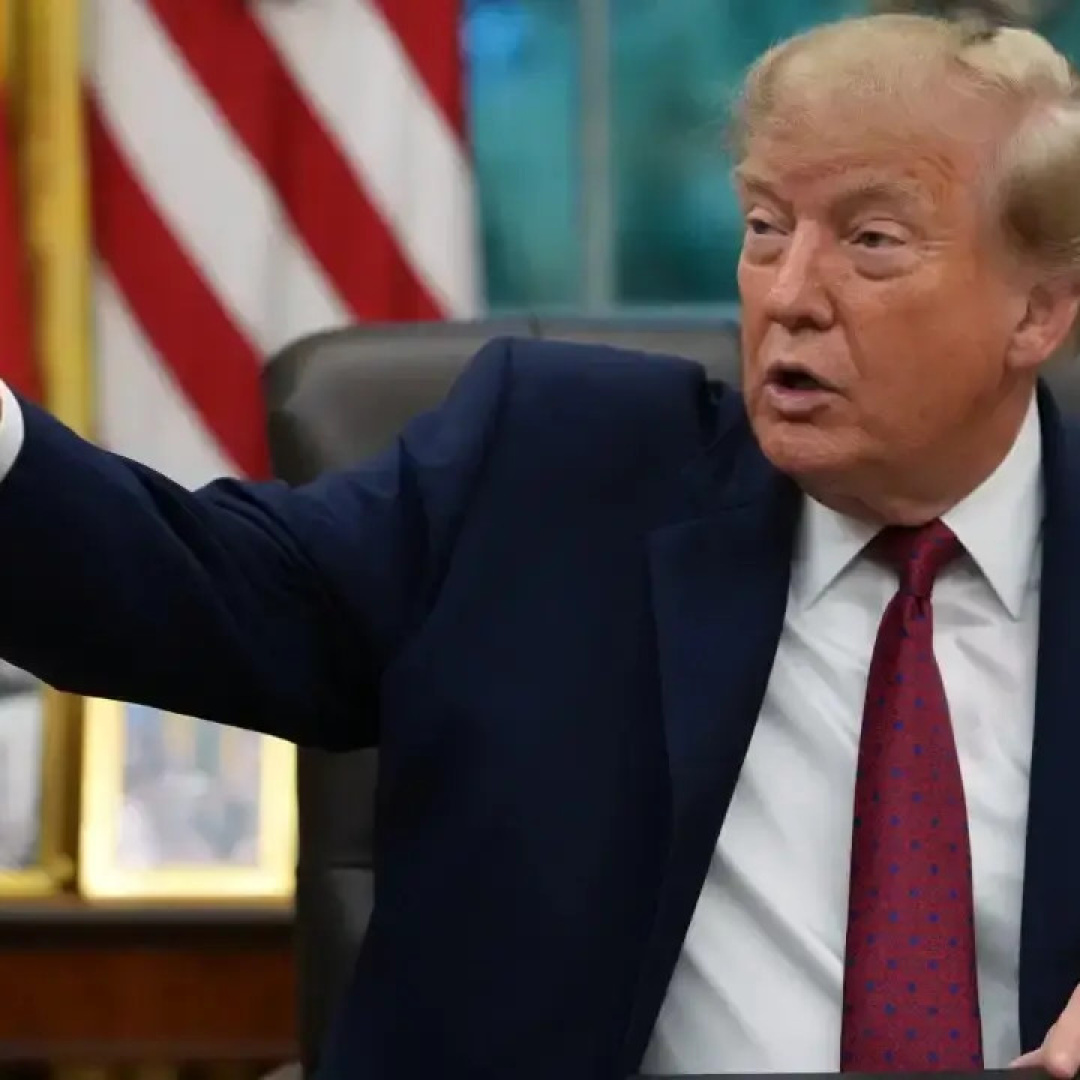
In a recent statement, U.S. Secretary of State Marco Rubio expressed that there is no current need for military action against Iran, citing the effectiveness of diplomatic initiatives aimed at resolving the ongoing conflict. Speaking after a meeting with G7 foreign ministers in Paris, Rubio noted that the economic pressure exerted on Iran has significantly weakened the country, making further military engagement unnecessary. "The economic campaign against Iran is so devastating that right now there is no need for major combat operations," Rubio stated, reflecting a shift in U.S. policy as diplomatic talks gain momentum.
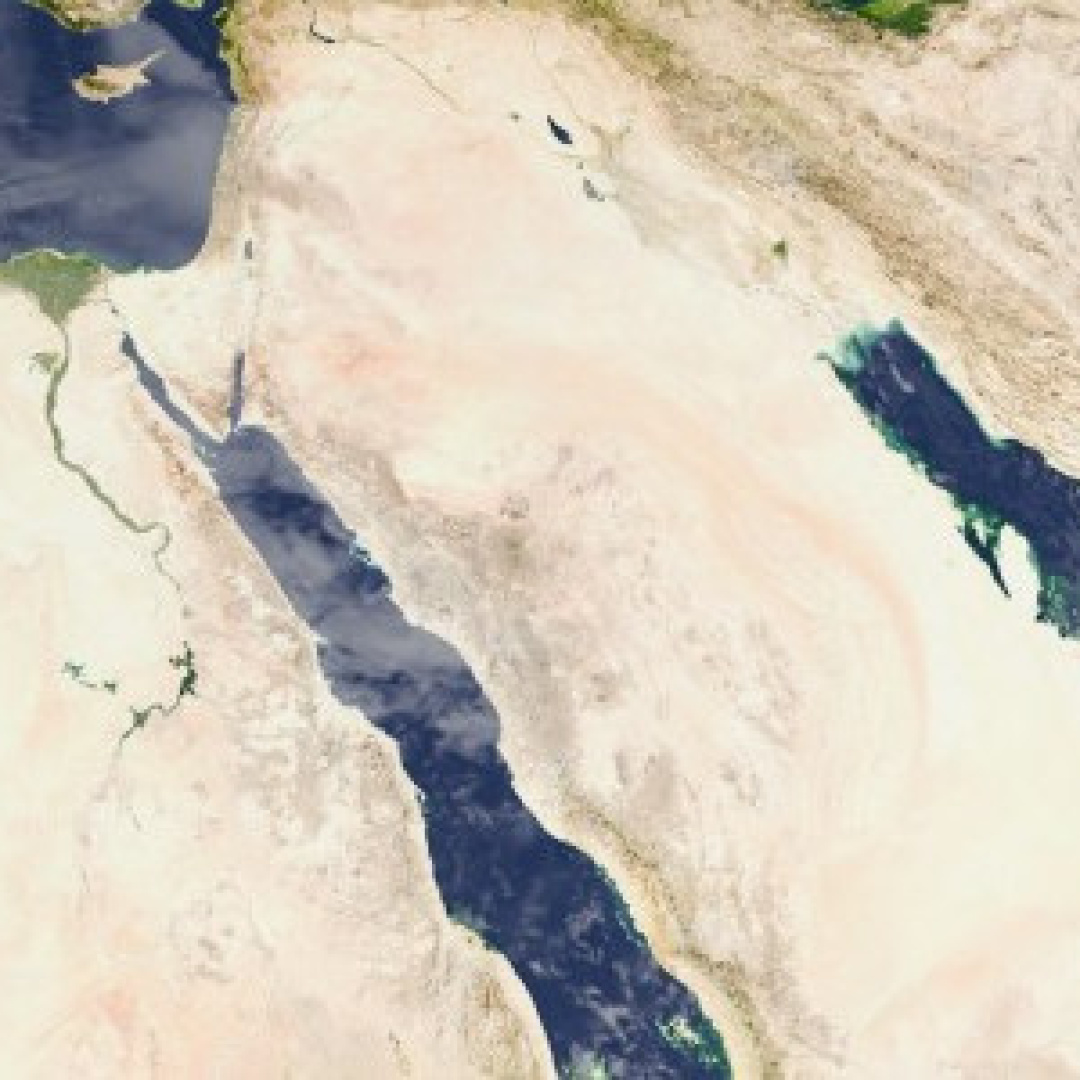
This statement comes in the wake of President Donald Trump's remarks about positive developments in negotiations aimed at ending the eight-month conflict. The U.S. has implemented a series of sanctions designed to economically strangle Iran, which has already been suffering from years of punitive measures. The recent blockade of the Strait of Hormuz, a critical passage for global oil shipments, has exacerbated tensions and contributed to rising oil prices, a factor that may have influenced the Republicans' performance in the recent midterm elections.
Common Sense Shop
The United States of Common Sense
Amazon shopping links. Sponsor Complete!
British Foreign Secretary Ed Miliband echoed the call for increased diplomatic efforts to resolve the conflict, emphasizing the need to move past the current stalemate that is causing economic hardship for many countries involved. He stated, "We need to move beyond the 'no war, no peace' stalemate, which is causing deep economic pain for our countries."
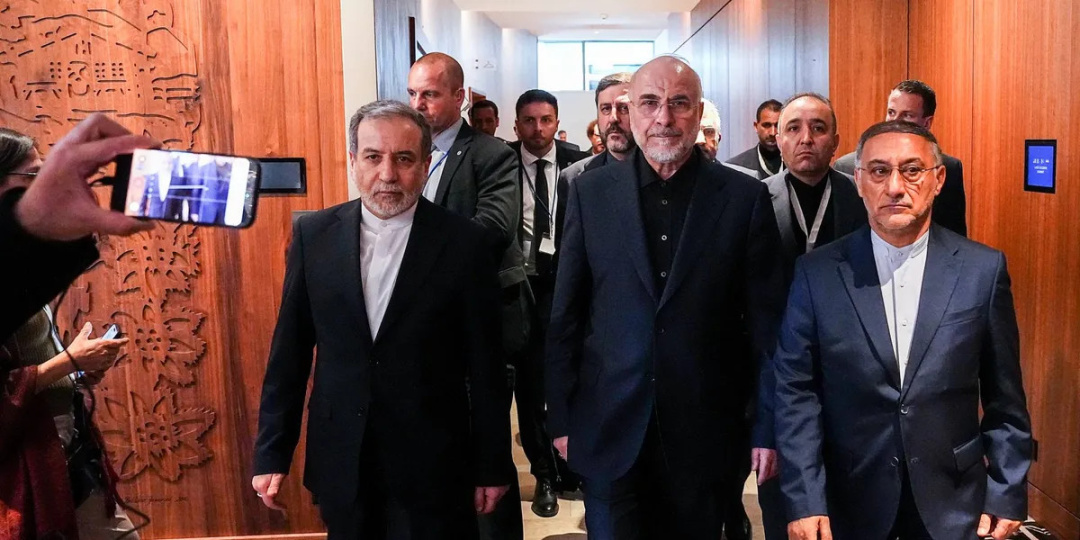
As the situation develops, Iran has reiterated its offer to reopen the Strait of Hormuz, contingent upon the U.S. meeting several demands, including the lifting of sanctions and the unfreezing of Iranian assets. Iranian officials have made it clear that they believe military solutions will not resolve the conflict, with Foreign Minister Abbas Araghchi asserting that diplomacy is the only viable path forward.
Shifting Dynamics in U.S.-Iran Relations
Despite the ongoing tensions, there are signs that U.S. military threats are diminishing, particularly following the recent electoral outcomes. Trump indicated that while the U.S. remains prepared for action, further strikes are unlikely as key allies in the Gulf region prefer maintaining the current status quo.
The evolving diplomatic landscape has prompted reactions from various stakeholders, including Israeli Prime Minister Benjamin Netanyahu, who has previously advocated for aggressive measures against Iran but now appears to recognize the shifting dynamics of international pressure.
The Common Sense Test
As negotiations led by Qatar and Pakistan continue, there is cautious optimism regarding potential resolutions to the conflict. The Iranian political landscape has shifted somewhat in light of recent U.S. elections, with analysts suggesting that while Iran's demands remain stringent, there is potential for fruitful dialogue if both sides engage sincerely.
With vessels still facing attacks in the region, the situation remains precarious. The Emirati state oil company reported damage to one of its vessels due to an attack, highlighting the ongoing risks in the Strait of Hormuz. As diplomatic efforts unfold, the U.S. must navigate these complex dynamics carefully to protect its interests while seeking a peaceful resolution to the conflict.