Iran Declares Military Readiness, Challenges U.S. Diplomacy
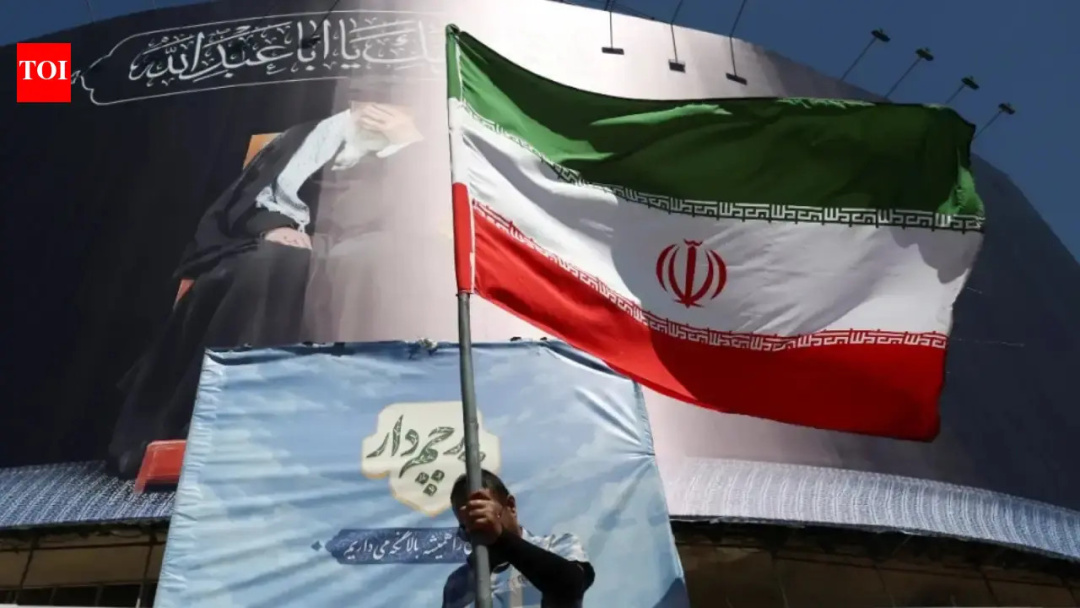
Iran has made a bold declaration regarding its military readiness, asserting that it will not wait for the United States to initiate an attack before taking action. Deputy Foreign Minister Kazem Gharibabadi, in an interview with Iranian state television, accused Washington of potentially using diplomatic channels as a means to buy time for further military operations against Iran. He outlined three scenarios that Iran is preparing for in its dealings with the U.S.: diplomacy, economic blockades, and military aggression.
Gharibabadi emphasized that "Iran is not Cuba that you can blockade, nor is it Venezuela that you can force to surrender." He pointed out that U.S. military efforts, both air and land blockades, have not yielded the desired success against Iran. Furthermore, he claimed that Iran's Islamic Revolutionary Guard Corps (IRGC) is actively developing missiles with new capabilities, indicating a significant enhancement in Iran's military capabilities.
Common Sense Shop
The United States of Common Sense
Amazon shopping links. Sponsor Complete!
The deputy foreign minister also expressed his belief that Iran remains in a state of war, rejecting the notion that the current situation could be described as "neither war nor peace." He stated, "From a legal perspective, we are still in a state of war," highlighting the ongoing tensions between Iran and the U.S.
In addition to military posturing, Gharibabadi addressed Iran's conditions for allowing the International Atomic Energy Agency (IAEA) access to its nuclear facilities. He stated that the IRGC would not permit inspections until Tehran's conditions are met and the state of war is conclusively resolved. This statement comes in response to the UN nuclear watchdog's call for access to inspect sites that were damaged during previous conflicts.
Gharibabadi also criticized the U.S. for undermining trust in diplomatic negotiations, citing multiple instances over the past year and a half where he believes the U.S. demonstrated bad faith. He referenced military conflicts that occurred while negotiations were ongoing, further complicating the potential for a diplomatic resolution.
Iran's Demands for Diplomatic Progress
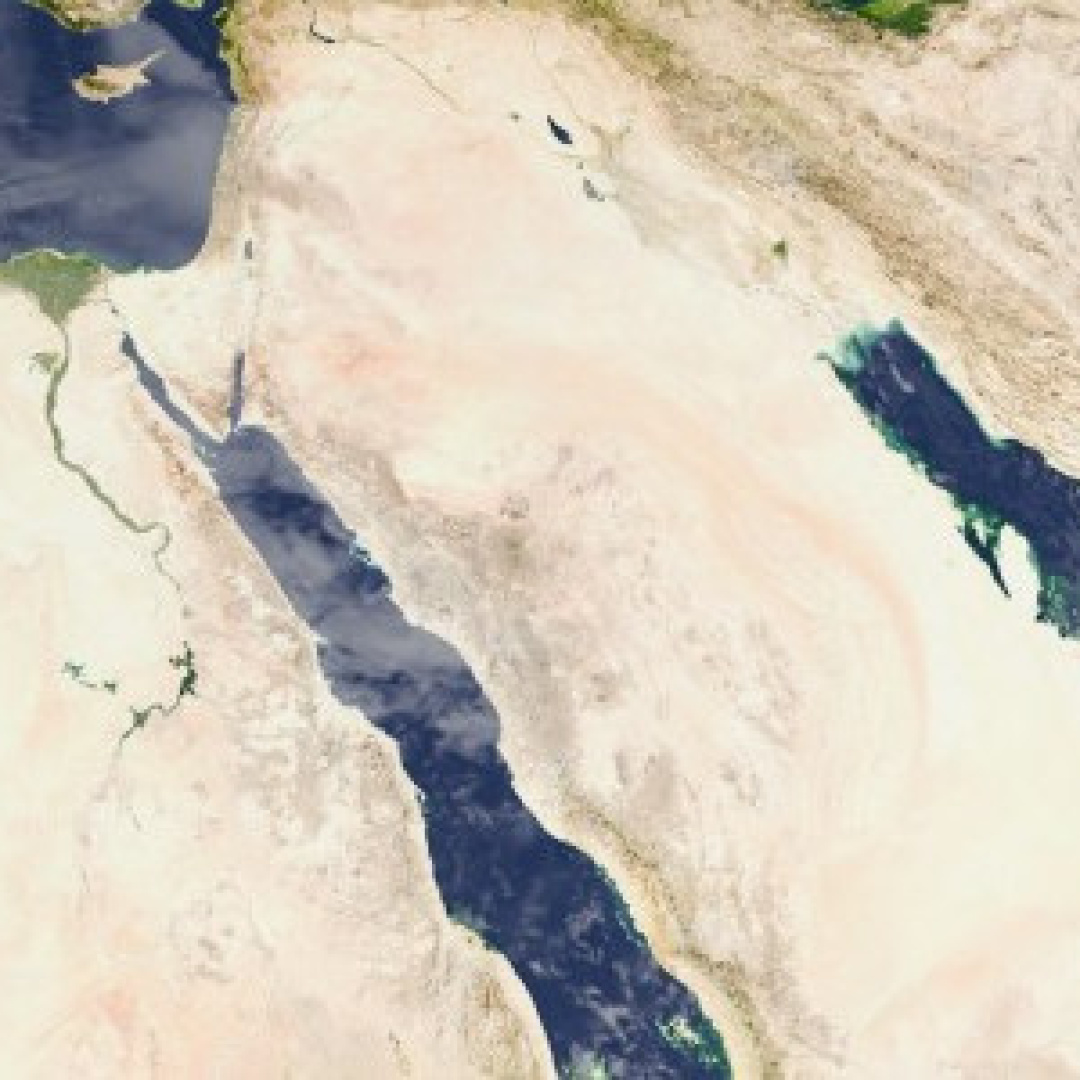
Iran's conditions for a diplomatic agreement include a permanent cessation of hostilities, the lifting of U.S. economic sanctions, particularly those affecting the oil sector, and the resolution of issues regarding Iranian assets frozen abroad. He proposed a rapid timeline for ending the war and reopening the strategically vital Strait of Hormuz, suggesting that these measures could be implemented quickly if conditions are met.
As regional tensions continue to escalate, the arrival of the USS Theodore Roosevelt aircraft carrier in the Middle East underscores the precarious situation. This deployment follows reports of Iranian military actions, including claims from Iran's Revolutionary Guard that they struck a radar system at a U.S. helicopter base in Bahrain. The U.S. military has denied these claims, indicating a complex and potentially volatile military landscape in the region.
The Common Sense Test
Gharibabadi's remarks reflect a broader Iranian strategy that combines military readiness with a call for diplomatic engagement, while simultaneously critiquing U.S. sanctions as a failed strategy that has not achieved its intended goals. He argues that the sanctions have had detrimental effects not only on ordinary Iranians but also on global economic stability.
In conclusion, Iran's assertive stance and the conditions it sets for diplomatic negotiations reveal the complexities of U.S.-Iran relations. As both nations navigate this fraught landscape, the potential for conflict remains high, with Iran signaling that it will not be passive in the face of perceived threats. The question remains whether diplomatic efforts can effectively address the underlying tensions or if military posturing will dominate the narrative moving forward.