European Gas Prices Drop as U.S. LNG Flows Hit Record Levels

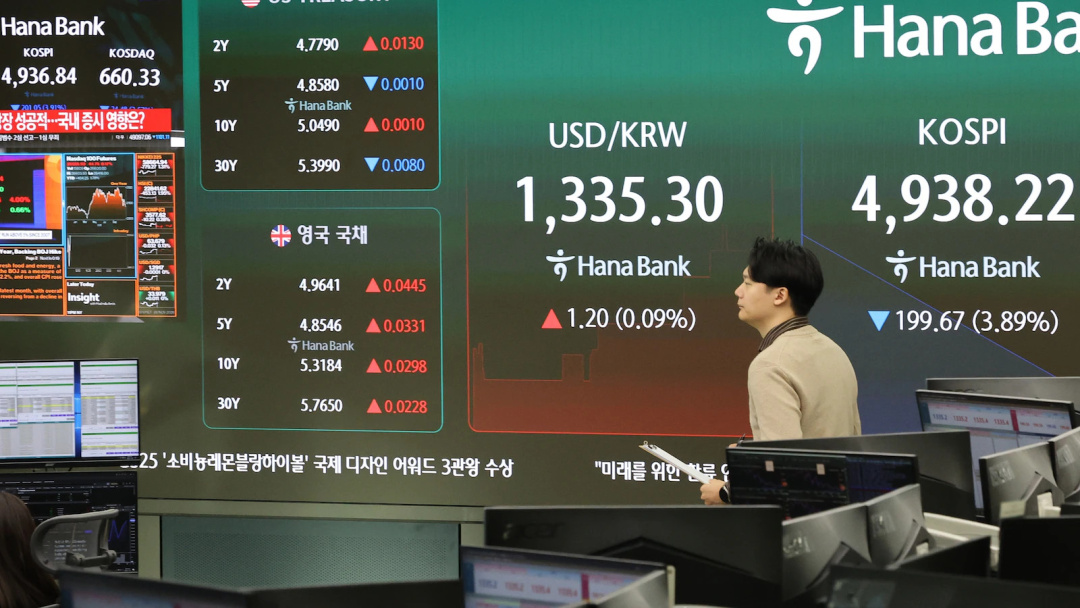
European benchmark natural gas prices experienced a notable decline in Amsterdam trading on Monday, dropping by 3.3% as immediate supply concerns eased. This shift comes amid forecasts of milder weather in the upcoming days and record-high flows of liquefied natural gas (LNG) from the United States. As of 10:00 a.m. in Amsterdam, the front-month price at the Dutch Title Transfer Facility (TTF) stood at $96.85 (87.965 euros) per megawatt-hour (MWh).
This decrease follows a week where European gas prices had risen by 6%, driven by renewed uncertainty surrounding the Iran conflict, which had previously rattled energy markets. While the current prices reflect a decrease from last week's highs, they remain significantly elevated compared to this time last year. Notably, storage sites across the European Union are currently only 70% full, a stark contrast to the 89% full capacity observed in November 2022.
Common Sense Shop
The United States of Common Sense
Amazon shopping links. Sponsor Complete!
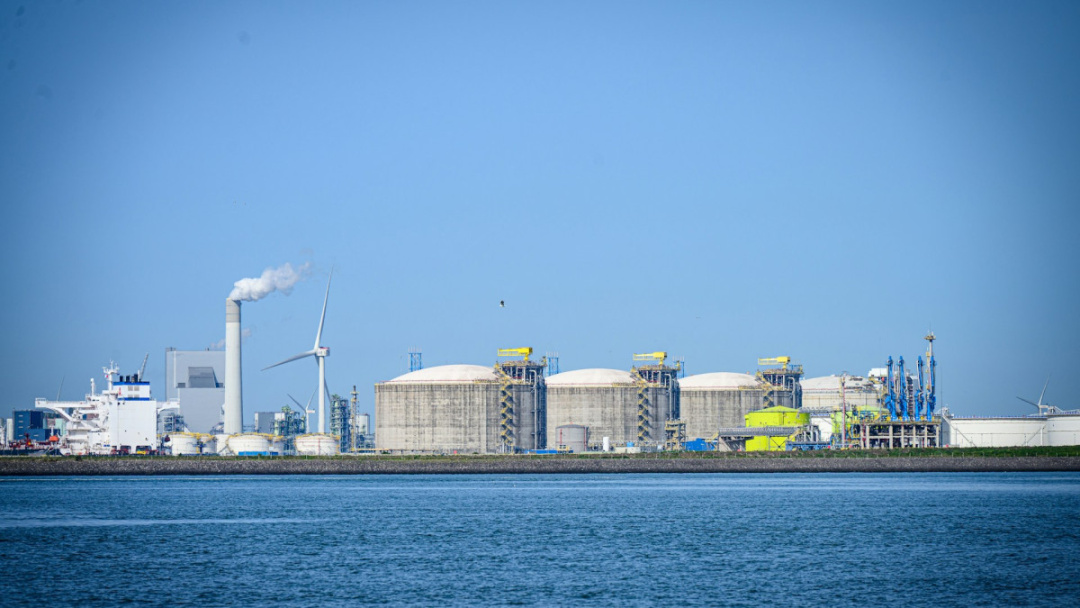
The easing of prices can be attributed to two key factors. First, the expectation of milder temperatures across much of Europe in the coming week has alleviated immediate supply concerns. Second, U.S. LNG flows have surged to record levels, with pipeline deliveries to U.S. LNG facilities reaching an unprecedented 21.8 billion cubic feet over the weekend, marking a 12% increase from the same period last year, according to data from BloombergNEF.
The increase in U.S. LNG supply is largely due to several new projects ramping up capacity, alongside existing liquefaction trains enhancing overseas shipments. As Europe and Asia compete for every available LNG cargo, the dynamics in the energy market remain tense, particularly with ongoing geopolitical issues affecting supply routes.
Europe's Energy Supply Faces Winter Challenges
Despite the recent drop in prices, Europe finds itself in a precarious position as winter approaches. The LNG flows from the Strait of Hormuz remain significantly below pre-war levels, and QatarEnergy has extended the force majeure on deliveries until at least the end of December 2026. This situation underscores the fragility of Europe's energy supply and the need for strategic planning as colder months loom.
The Common Sense Test
As the energy landscape continues to evolve, the implications of U.S. LNG flows on European markets cannot be overstated. The record-high deliveries signify a pivotal moment in the energy sector, potentially reshaping Europe's reliance on traditional suppliers. However, the underlying vulnerabilities remain, particularly as geopolitical tensions persist and storage levels remain low.
In conclusion, while the recent price drop offers a moment of relief, it also highlights the ongoing challenges Europe faces in securing a stable energy supply. The interplay of weather forecasts, U.S. LNG flows, and geopolitical factors will undoubtedly continue to influence market dynamics in the months ahead.