Democrats Demand Immigration Reform After Midterm Wins, Polls Show Concerns
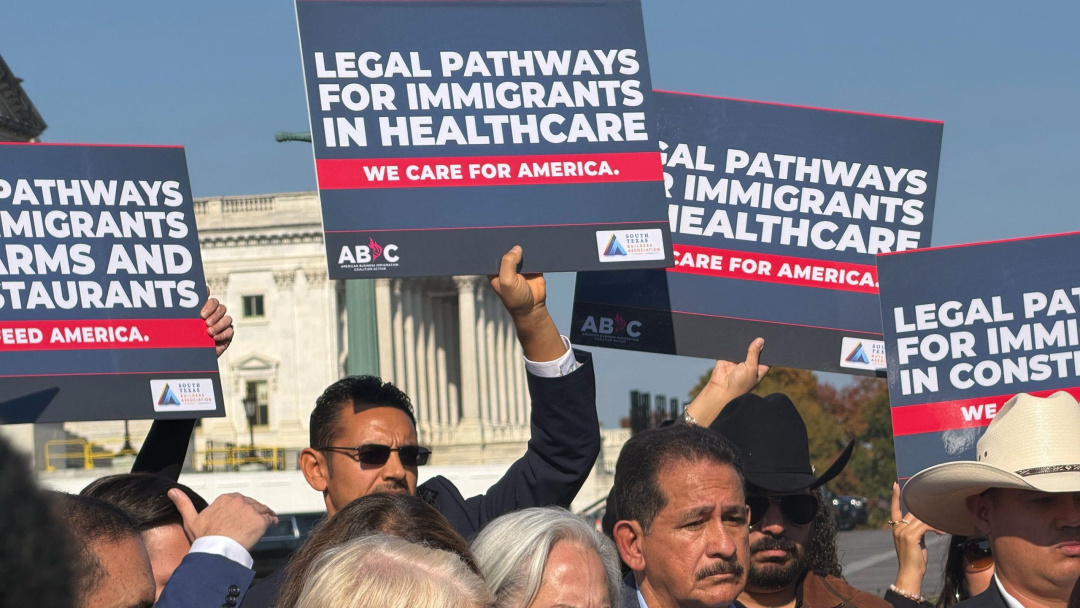
Following a strong showing in the midterm elections, Democrats are seizing the opportunity to advocate for immigration reform. Representative Bobby Pulido of Texas, who recently unseated Republican Monica De La Cruz, stated that any candidate seeking support in the 2028 elections must prioritize immigration reform. This call to action comes despite polling data indicating that economic issues overshadow immigration as a concern for both Democratic and Hispanic voters.
The Democratic gains in traditionally Republican districts, particularly in Texas, have emboldened party leaders to challenge President Donald Trump’s immigration policies. Representative Henry Cuellar, also from Texas, attributed the shift among Hispanic voters to Trump’s failure to deliver on promises to reduce prices and his aggressive deportation policies. Cuellar noted that many voters felt let down by the president’s focus on criminal deportations rather than addressing economic hardships.
Common Sense Shop
The United States of Common Sense
Amazon shopping links. Sponsor Complete!
Polling data from Fox News Digital reveals that only 27% of Republican voters consider immigration their top issue, while a mere 3% of Democrats share that sentiment. This stark contrast raises questions about the effectiveness of the Democrats’ immigration reform push when economic concerns dominate voter priorities.
The 2026 midterm elections saw approximately 14.5 million Latinos casting their votes, with cost of living issues topping the list of concerns for 45% of Hispanic voters. Eric Holguín, Texas state director for UnidosUS, highlighted that economic issues took precedence over immigration, a trend reflected in pre-election polling conducted by Fox News, which showed that 45% of Hispanic voters identified the economy as the most pressing issue.
As Democrats rally for immigration reform, they must also contend with the reality that many voters are primarily focused on their financial situations. Holguín emphasized that voters are increasingly aware of their economic struggles, pointing to rising grocery and gas prices as key factors influencing their decisions at the ballot box. The sentiment among voters suggests that dissatisfaction with the current administration's handling of economic issues could be a driving force behind the Democratic victories.
Voter Sentiment Shapes Democratic Strategy
Despite the Democrats’ push for immigration reform, analysts like Henry Olsen from the Ethics and Public Policy Center argue that the electoral gains were more about rejecting Trump than embracing Democratic policies. Voter frustration over unmet promises regarding the economy and international stability appears to have played a significant role in the midterm results.
Pulido’s victory in a redrawn district underscores the potential for Democrats to capitalize on economic discontent among Hispanic voters. However, the challenge remains for the party to align its immigration reform agenda with the pressing economic concerns of the electorate. As the party moves forward, it must navigate the delicate balance between advocating for immigration reform and addressing the immediate economic needs of its constituents.
The Common Sense Test
In a recent interview, Trump acknowledged that some of his deportation policies may have been too harsh and suggested that a deal with Democrats on immigration reform could be possible. This acknowledgment may signal a shift in strategy as the Republican Party grapples with the implications of their immigration stance on future elections.
As Democrats push for immigration reform, the onus is on them to deliver tangible results to maintain the support of Latino voters. Holguín cautioned that the party must act decisively to meet the expectations of their constituents, or risk losing their backing in future elections. The political landscape is shifting, and both parties must adapt to the evolving priorities of the American electorate.