Texas AG Ken Paxton Withdraws Lawsuit Against CAIR and Muslim Brotherhood
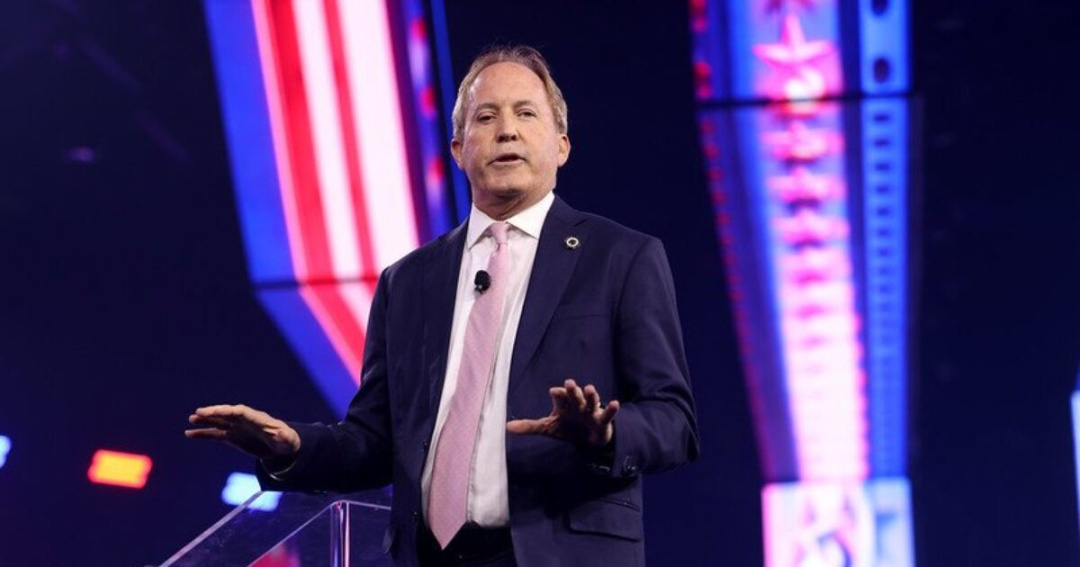
Texas Attorney General Ken Paxton has officially withdrawn his high-profile lawsuit aimed at prohibiting the Council on American-Islamic Relations (CAIR) and its Texas chapters, as well as the Muslim Brotherhood, from operating within the state. On November 16, 2026, Paxton's office filed a notice of nonsuit without prejudice in the 471st Judicial District Court of Collin County, effectively ending all claims against these organizations. Notably, the court filing did not provide any explanation for this sudden decision.
This move comes on the heels of significant victories for Democrats in the recent midterm elections in Texas. Just days prior to the lawsuit withdrawal, Democrat Governor-elect Gina Hinojosa announced plans to reverse Republican Governor Greg Abbott's designation of CAIR as a terrorist organization. The implications of this shift are substantial, particularly as the lawsuit was initially filed following Abbott's November 2025 proclamation that designated both CAIR and the Muslim Brotherhood as foreign terrorist organizations under Texas law.
Common Sense Shop
The United States of Common Sense
Amazon shopping links. Sponsor Complete!
With the lawsuit being withdrawn without prejudice, the state retains the option to refile its claims in the future. However, with Democrat Attorney General-elect Nathan Johnson set to take office in January, the likelihood of such actions occurring remains uncertain. This development raises questions about the continuity of legal efforts against organizations that have been characterized by some as having ties to terrorism.
In February, Paxton had announced the lawsuit, alleging that CAIR operates as the American extension of the Muslim Brotherhood. The original lawsuit sought to prohibit these organizations from conducting activities in Texas, including recruiting members, raising funds, and acquiring property. The backdrop of the lawsuit included federal terrorist designations imposed by the Trump administration on specific Muslim Brotherhood chapters in the Middle East, although CAIR itself has not received a federal designation.
Shifting Legal Strategies in Texas Politics
The withdrawal of the lawsuit marks a notable shift in the legal landscape regarding these organizations in Texas. As Paxton steps away from this case, it reflects a broader trend of legal actions being abandoned by his office in the wake of the changing political climate. The implications of this decision will likely reverberate through Texas politics, particularly as CAIR's political affiliate, CAIR Action, has publicly celebrated the election of Hinojosa and urged incoming officials to abandon investigations initiated under Republican leadership.
The Common Sense Test
As the political landscape in Texas shifts with the new administration, the future of legal actions against CAIR and similar organizations remains in question. The dismissal of this lawsuit not only highlights the changing priorities of Texas leadership but also raises concerns about the effectiveness of previous designations and the potential for new legal challenges to emerge. With the incoming Attorney General, Nathan Johnson, poised to take office, it remains to be seen whether he will pursue similar actions or adopt a different approach altogether. This situation underscores the importance of vigilance regarding the influence of organizations like CAIR in Texas and the broader implications for national security and public safety.
Ultimately, the decision to withdraw the lawsuit against CAIR and the Muslim Brotherhood reflects a significant moment in Texas politics. As the state transitions to a new administration, the implications of this legal withdrawal will be closely monitored by both supporters and opponents of CAIR. The question remains whether this marks a temporary pause in legal scrutiny or a more permanent shift in the state's approach to organizations perceived as threats to public safety. As conservatives, it is essential to remain engaged and advocate for policies that prioritize the safety and security of Texas residents against potential threats from organizations with questionable ties.