Families Demand Accountability After U.S. Military Failures in Iran War
The cost of the Iran war is staggering, with the Pentagon estimating it at $47 billion. However, the true toll is measured in the lives of American service members, particularly the 23 who lost their lives and the over 800 who were wounded. A recent investigation by 60 Minutes has uncovered significant failures in U.S. military operations that contributed to these losses, particularly during an Iranian drone strike in Kuwait that occurred within the first 24 hours of combat. This incident not only claimed lives but also shattered the illusion of American invulnerability in modern warfare.
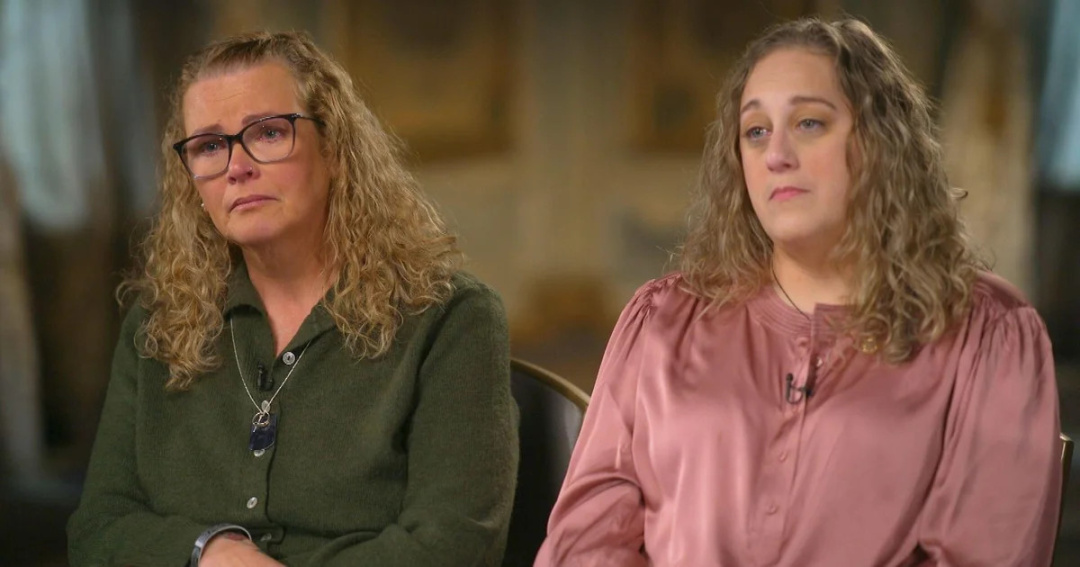
Among the fallen was Master Sgt. Nicole Amor, who was one of the first casualties of the conflict. Her husband, Joey Amor, expressed deep frustration with the command structure of her unit, the 103rd Sustainment Command, stating, "They killed my wife. They killed these soldiers." This sentiment reflects the anger and grief of many Gold Star families seeking answers and accountability from military leadership.
The investigation reveals that despite warnings about potential drone attacks, the military leadership failed to provide adequate protection for troops stationed at Port Shuaiba, a small outpost near the Iranian border. Major Stephen Ramsbottom, a combat veteran and deputy chief of operations for the 103rd, raised concerns about the lack of aerial defense systems. He stated, "I don't see how we're protected here," yet his warnings were dismissed by higher-ups. This negligence raises serious questions about the decision-making processes that put soldiers at risk.
The conditions at Port Shuaiba were described by Ramsbottom as insufficient, with defenses designed to thwart car bombs but not aerial threats. Soldiers had requested additional support, including counter-drone systems, but these requests went unfulfilled. Tragically, when the Iranian drone struck, the unit was left vulnerable, resulting in devastating casualties.
Families Demand Answers and Accountability
In the aftermath of the attack, families of the fallen soldiers have been left seeking answers. Joey Amor articulated the sentiment many share: "I think my wife had a shot, yeah," had there been proper planning and resources in place. The Pentagon's refusal to acknowledge any wrongdoing only adds to the frustration of these families, who feel their loved ones' deaths were preventable.
As the investigation continues, Major Ramsbottom has filed a whistleblower complaint to Congress, demanding accountability for the lack of protective measures against drone attacks. He emphasizes the need for a thorough examination of the decisions that led to this tragic loss of life.
The Common Sense Test
The families of the fallen soldiers have expressed their desire for the truth and accountability from the Pentagon. Tina Marzan, widow of Chief Warrant Officer Robert Marzan, stated, "Just own it. Say, 'Something went wrong and we didn't plan right.' That's all that I want." This call for transparency resonates with many who believe that understanding the failures of military leadership is essential to prevent future tragedies.
The investigation by 60 Minutes serves as a stark reminder of the human cost of war and the imperative for military accountability. As the families await answers, they are left grappling with their grief and the harsh reality that their loved ones paid the ultimate price due to systemic failures within the military command structure.