Virginia Governor Spanberger Eliminates School Choice Tax Credit for Families
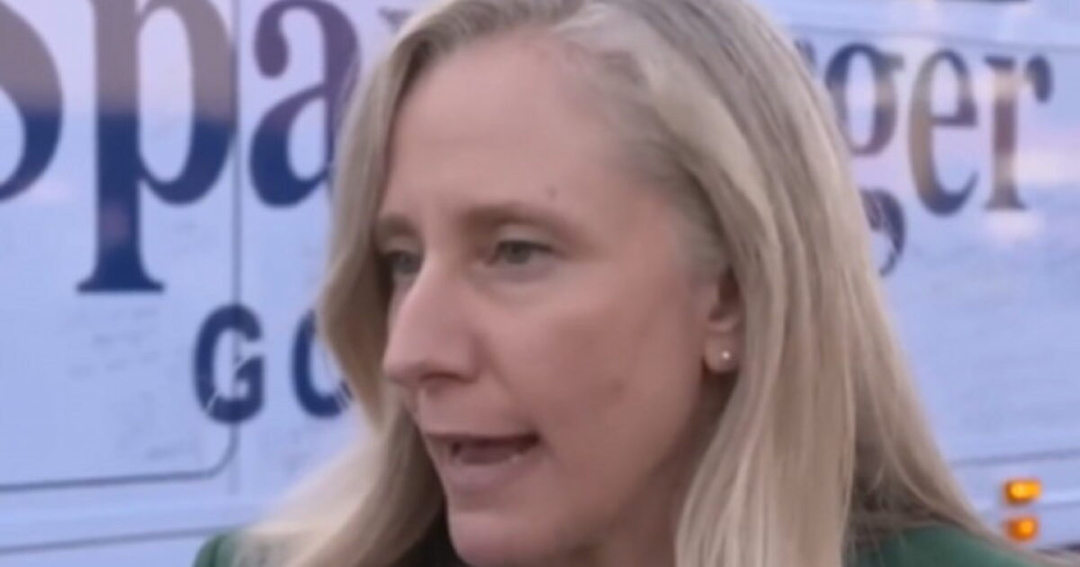
Virginia Governor Abigail Spanberger has made a controversial decision that could significantly impact families who value school choice. As part of her administration's tax policy changes, Spanberger is reversing Virginia's participation in a school choice tax credit that was included in President Donald Trump's Working Families Tax Cut legislation. This decision means that families contributing to scholarship-granting organizations will no longer be able to claim a $1,700 tax credit for qualifying educational expenses starting January 1, 2027.
This tax credit was a key provision aimed at empowering families to choose educational options that best fit their needs, particularly in light of the ongoing issues with many public schools. Critics argue that Spanberger's decision reflects a broader trend among Democrats, who often claim to support choice in various contexts but seem to limit that support when it comes to education. The irony is palpable: while advocating for choice in matters like abortion, the same party appears to be stripping families of their educational options.
Common Sense Shop
The United States of Common Sense
Amazon shopping links. Sponsor Complete!
The influence of teacher unions is a significant factor in this decision. Many believe that these unions, which have become closely aligned with the Democratic Party, prioritize their interests over those of families seeking better educational opportunities. Spanberger's move is seen as a concession to these unions, which have been vocal opponents of school choice initiatives. By opting out of a program designed to support families and expand educational options, she has effectively blocked Virginians from benefiting from a federal initiative that could have provided millions in scholarships for students, including those in public schools.
Spanberger's Decision Sparks Political Backlash
A spokesperson for Spanberger confirmed that she would not complete the enrollment process initiated under former Republican Governor Glenn Youngkin, further solidifying her stance against the tax credit. This decision has drawn sharp criticism from various quarters, including the Virginia GOP, which labeled Spanberger as a "fake moderate" for denying scholarship funds to students in Virginia. The GOP has also indicated that this move will likely lead to legal challenges, as many view it as an infringement on parental rights and educational freedom.
The Common Sense Test
As families continue to seek alternatives to failing public schools, Spanberger's decision raises critical questions about the future of school choice in Virginia. The implications of this policy change could have lasting effects on educational opportunities for countless students across the state. It remains to be seen how this will play out in the coming months, especially as parents and advocates mobilize to push back against what they see as an unjust restriction on their rights.
In the end, Spanberger's actions serve as a reminder of the ongoing battle over educational choice in America. While Democrats may tout their commitment to choice in other arenas, their actions in education tell a different story. Families deserve the right to choose the best educational paths for their children without government interference. As this situation unfolds, it will be crucial for Virginia families to hold their leaders accountable and advocate for policies that truly support educational freedom and parental rights.