Claims of Makeup Studio Demand at Pentagon Raise Eyebrows
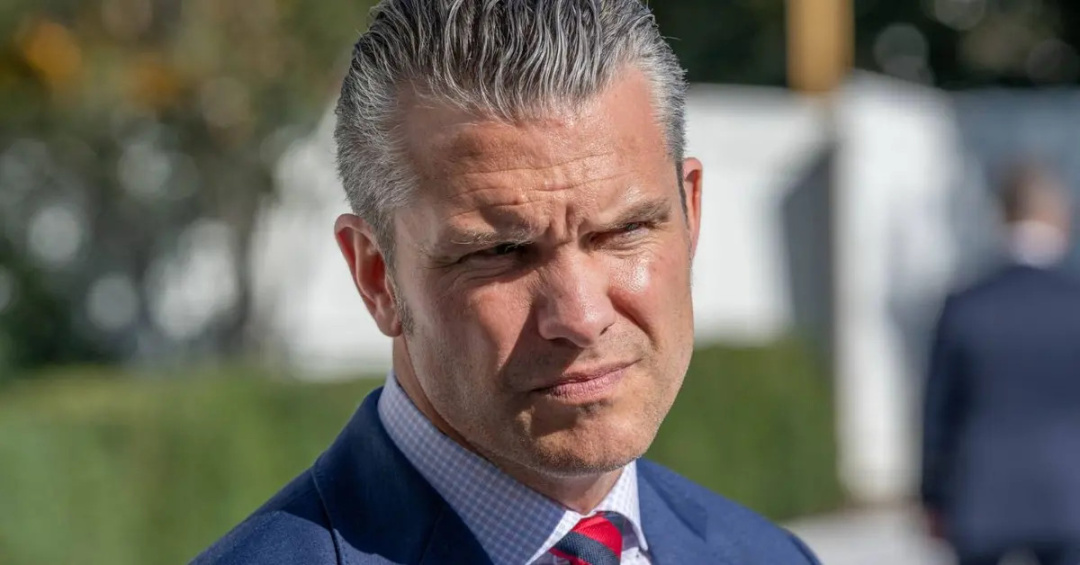
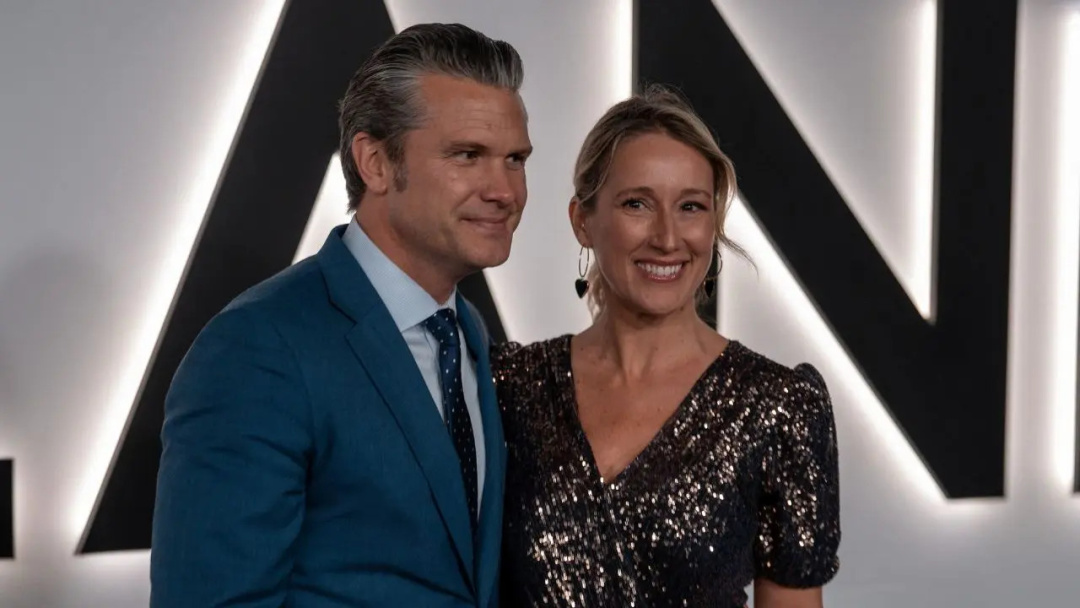
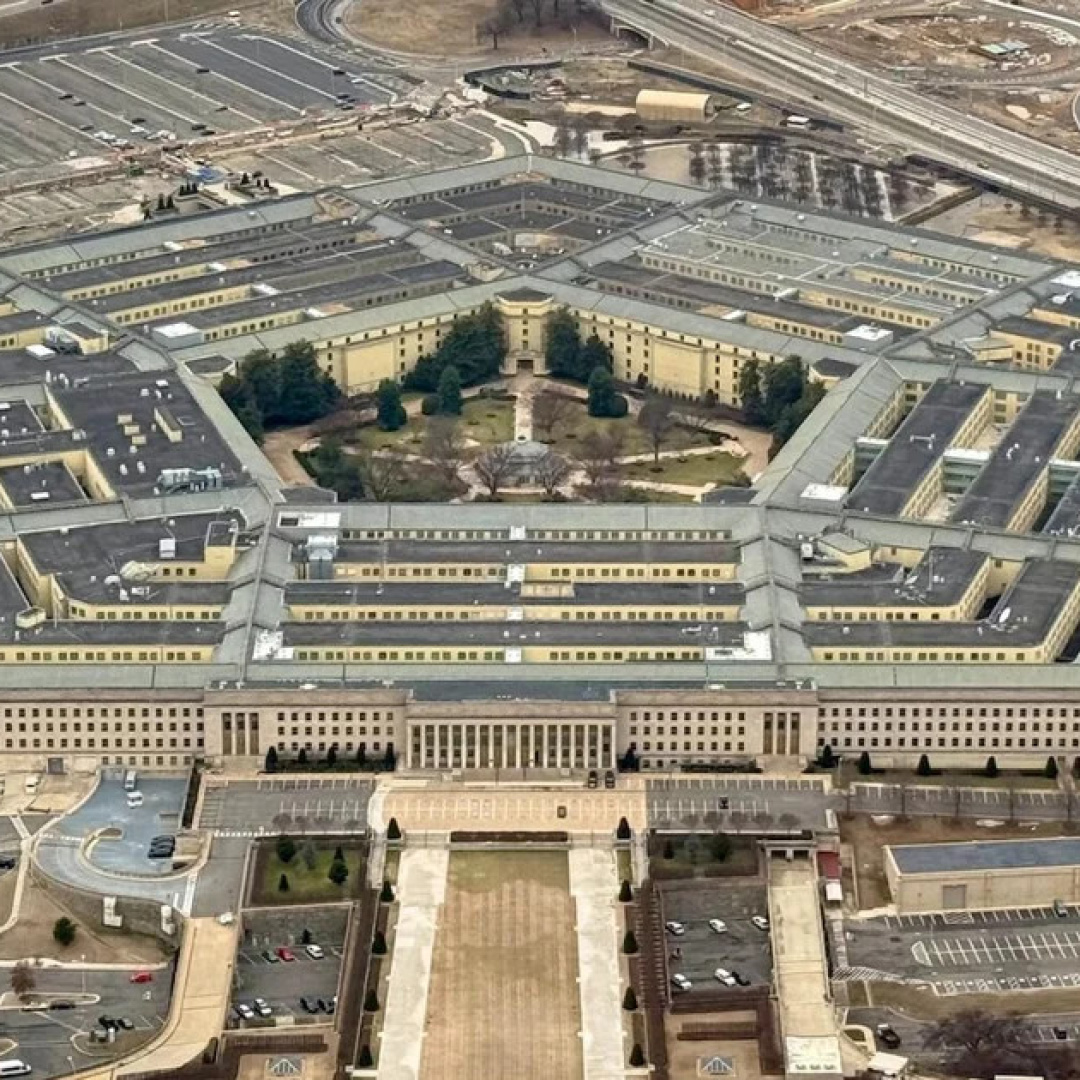
In a surprising revelation, John Ullyot, who briefly served as the Chief Pentagon spokesperson, has exposed claims that Pete Hegseth was pressured to install a makeup studio at the Pentagon. This demand reportedly came from a close friend of Hegseth's wife, Jennifer Rauchet, who previously worked with him at Fox News. Ullyot, who left his position in April 2025, shared these details during a recent appearance on The Daily Beast Podcast, raising eyebrows about the appropriateness of such a request in a military setting.
Ullyot recounted how the friend approached him with the notion that Hegseth needed a makeup studio to maintain a polished appearance for media engagements. "She came to me and said, 'Hey, Pete expects to have a makeup studio if he's going to be talking to the media,'" Ullyot recalled, expressing disbelief at the idea. He noted that no previous Secretary of Defense had ever made such a request, which seemed at odds with Hegseth's public persona that emphasized military readiness and a rejection of wokeness.
Common Sense Shop
The United States of Common Sense
Amazon shopping links. Sponsor Complete!
Despite Ullyot's objections, which included writing 'DISAPPROVED' in capital letters on emails regarding the proposal, the push for the makeup studio persisted. He described the process as a back-and-forth over a "crazy idea," ultimately leading to the installation of the studio after his departure. Ullyot's insights suggest that Hegseth's image-consciousness may have undermined his message about military effectiveness.
Questioning the Studio's Purpose at the Pentagon
Interestingly, Ullyot pointed out that Hegseth has rarely utilized the makeup studio, which contradicts the very rationale behind its establishment. This raises questions about the priorities within the Pentagon and whether such resources should be allocated to image management rather than operational readiness.
The Common Sense Test
The implications of this story extend beyond mere gossip; they reflect the broader cultural tensions within military leadership and the expectations placed on public figures in high-stakes environments. As Hegseth navigates his role, the contrast between his public statements and private demands may serve as a cautionary tale about the dangers of prioritizing image over substance in leadership roles.
Ultimately, the demand for a makeup studio at the Pentagon serves as a lens through which to examine the intersection of image and reality in military leadership. Hegseth's approach raises critical questions about the values that should guide our defense leaders. Should the focus be on maintaining a polished exterior, or should it be on ensuring that the military remains effective and ready to meet its challenges? As the debate continues, one thing is clear: the priorities of our leaders must align with the core mission of national defense, not personal vanity.