Jeff Bezos Reflects on Trump Ties After GOP Midterm Losses
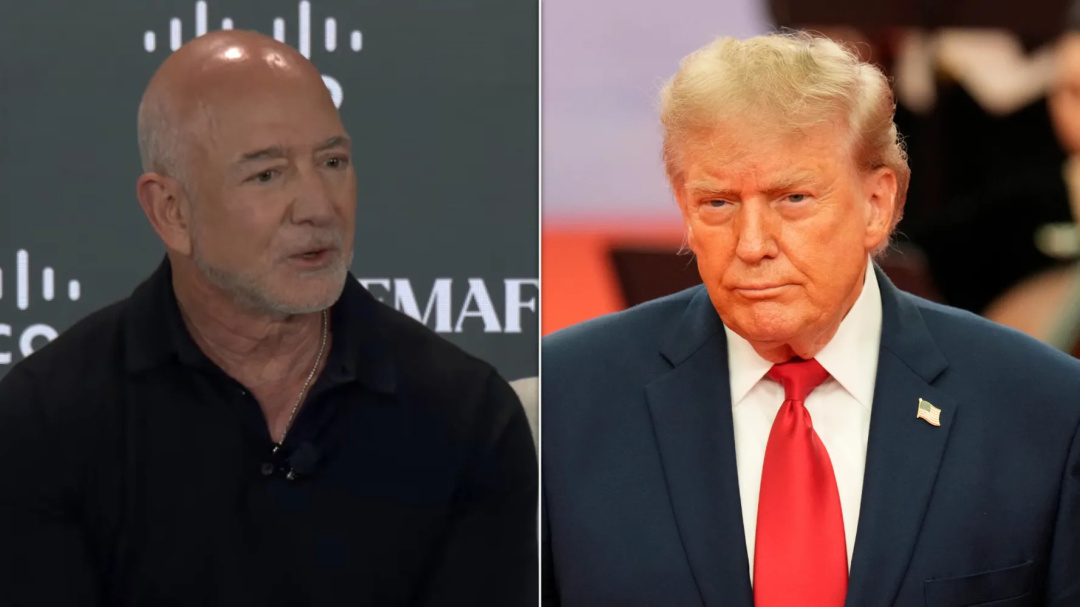
Amazon founder Jeff Bezos recently faced questions regarding his ties to former President Donald Trump during a panel discussion at Semafor’s Silicon Valley & The World annual tech and AI conference. The inquiry came in the wake of the Republicans’ significant losses in the 2026 midterm elections, prompting Semafor reporter Liz Hoffman to suggest that Bezos's name might be on a list of executives the Democrats plan to investigate after regaining control of the House.
Hoffman directly asked Bezos whether he felt his relationship with Trump had been worthwhile, considering the potential challenges ahead. Bezos responded by asserting, "Look, I don’t do this. I’m on the side of America." He elaborated that his interactions with all presidents, including Trump, Barack Obama, George W. Bush, Bill Clinton, and Joe Biden, were aimed at benefiting the country rather than advancing his own interests or those of Amazon.
Common Sense Shop
The United States of Common Sense
Amazon shopping links. Sponsor Complete!
Bezos argued that business leaders play a crucial role in advising presidents, stating, "Presidents need advice from business leaders, and shutting out business leaders is a mistake — it’s not smart." He emphasized the necessity of a free market engine for wealth creation, suggesting that discussions about wealth allocation and taxation are reasonable and essential for the nation's economic health.
When questioned about whether his connections to Trump could pose a problem for his companies following the Democrats' electoral success, Bezos reiterated his commitment to working with all presidents. He noted that he has collaborated with every president since Clinton and hopes to continue doing so in the future.
Bezos praised Trump for his accessibility and communication style, remarking, "The amount of outreach [from Trump] is unusual." He expressed uncertainty about how the next president would engage with business leaders, highlighting the value of maintaining connections with current and former presidents.
Navigating Political Relationships in Business
As the political landscape shifts, Bezos's reflections on his relationship with Trump underscore the complexities business leaders face in navigating political affiliations. His comments reveal a broader concern among executives about the implications of political dynamics on their operations and reputations.
Bezos's insistence that his interactions are not aimed at personal or corporate gain raises questions about the nature of influence in politics and business. The upcoming investigations into corporate executives by the Democrats could further complicate these relationships, as many in the business community may find themselves scrutinized for their past associations.
In this context, Bezos's approach highlights a common theme among business leaders: the necessity of being engaged with political leaders while also maintaining a clear stance on the importance of free market principles. As the nation moves forward, the balance between political engagement and corporate integrity will be critical for leaders like Bezos, who navigate these often murky waters.
The Common Sense Test
Ultimately, Bezos's perspective on his relationship with Trump and the broader implications of political engagement for business leaders raises significant questions about accountability and influence in American politics. As the Democrats prepare to take control of the House, the ramifications of these ties will likely unfold in the coming months, challenging the notion of what it means to be a responsible leader in both business and politics. The real test will be how these relationships are managed in light of shifting political tides and the expectations of the American public.