Michigan Ranks Last in Religious Freedom Index, Alabama Tops List
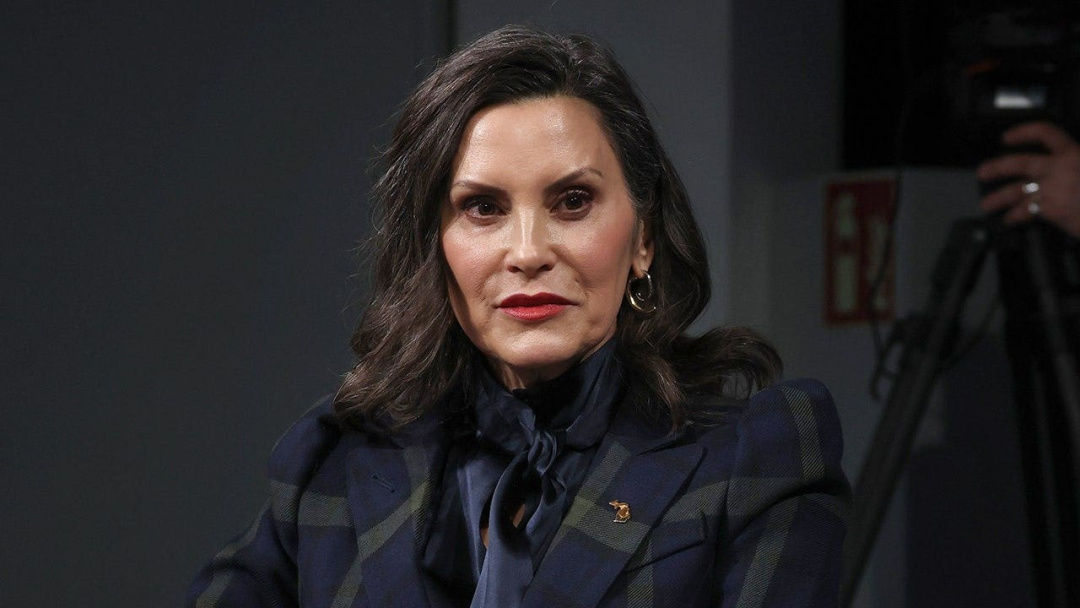
The 2026 Faith and Freedom Index, released by the Napa Legal Institute, has ranked Michigan as the worst state in the nation for legal protections affecting faith-based nonprofits, scoring a mere 34%. In contrast, Alabama topped the list with an impressive score of 80%. This report, shared with Fox News Digital, underscores significant differences between states led by Republicans and Democrats regarding religious freedoms.
The Faith and Freedom Index evaluates laws across all 50 states and Washington, D.C., that impact religious organizations, including churches, religious schools, and charitable institutions. Following Michigan, Washington and Massachusetts scored 38% and 41%, respectively, highlighting a concerning trend for states that fail to protect religious liberties.
Common Sense Shop
The United States of Common Sense
Amazon shopping links. Sponsor Complete!
Frank DeVito, senior counsel at Napa Legal, pointed out that Michigan's low score reflects a combination of burdensome nondiscrimination requirements, inadequate religious exemptions, and regulatory hurdles that complicate the operations of faith-based organizations. He noted that these legal constraints can create conflicts for Catholic schools and other religious institutions trying to align their hiring and admissions practices with their beliefs.
DeVito also highlighted the financial implications of Michigan's regulations, which impose significant reporting requirements on religious nonprofits. These obligations can divert essential resources away from their core missions of education and community service, ultimately affecting their ability to assist vulnerable populations.
In stark contrast, Alabama's top ranking illustrates a more favorable legal environment for faith-based organizations. States like Kansas, Indiana, and Texas also performed well, scoring 76%, 75%, and 71%, respectively. This suggests that Republican-led states are more likely to enact laws that support religious freedoms.
Unexpected Findings in State Rankings
Interestingly, the report reveals that some traditionally Democratic states, such as New York, scored higher than certain Republican-led states like North Dakota and Tennessee. DeVito noted that New York has established stronger exemptions from nondiscrimination laws, allowing greater freedom for religious organizations in employment and public programming.
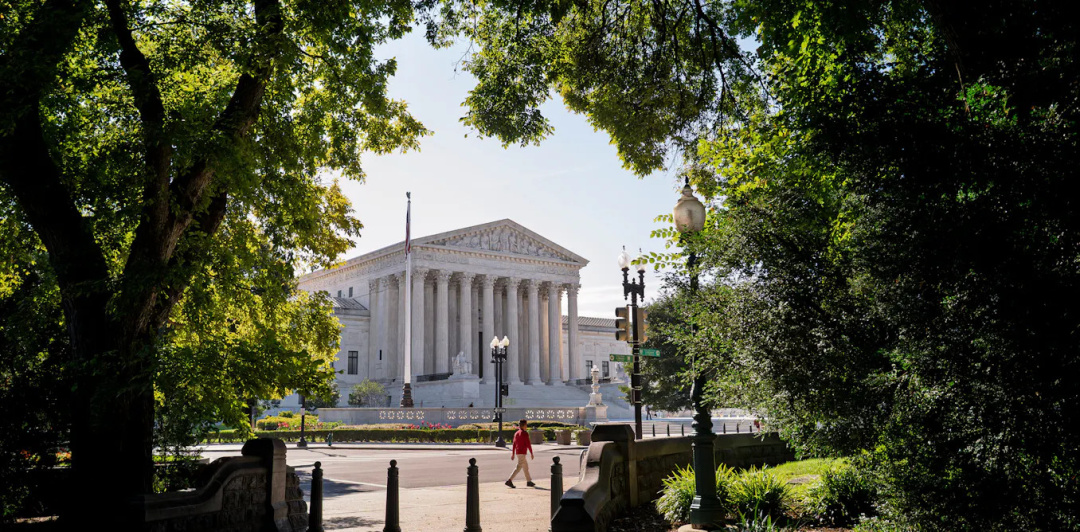
As the report emphasizes, the ability of religious organizations to operate effectively is shaped not only by Supreme Court decisions but also by state laws. In recent years, several states have made strides to enhance protections for faith-based nonprofits. For instance, Florida's lawmakers clarified that directors of religious organizations can seek guidance from faith leaders when making decisions related to their faith.
The Common Sense Test
Meanwhile, Massachusetts and Rhode Island have eased financial reporting requirements for nonprofits, increasing the revenue thresholds that trigger mandatory audits. These changes are designed to alleviate the administrative burdens that can hinder the work of religious organizations.
DeVito stressed the importance of establishing lasting legal protections for religious organizations, arguing that they play a crucial role in society by providing essential services. He warned that excessive regulations and costly legal battles can detract from their missions, ultimately harming the communities they serve. He urged lawmakers to prioritize stronger religious liberty protections, emphasizing that these organizations need to be free from unnecessary constraints to fulfill their vital roles in society.