Iran Targets U.S. Bases in Kuwait Amid Rising Regional Tensions
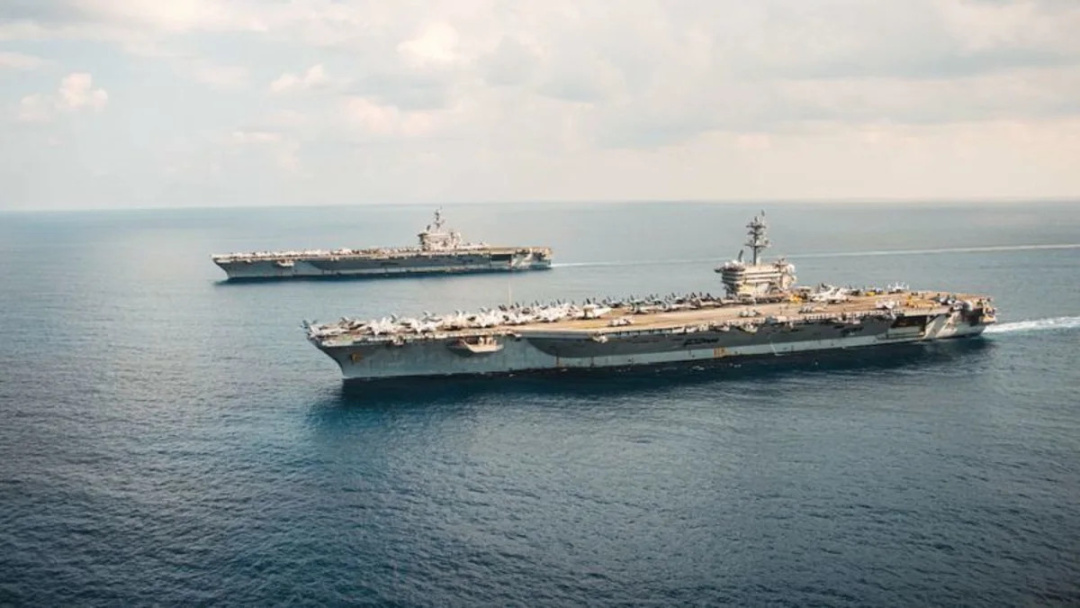
Iran has intensified its military actions by claiming to have targeted U.S. drone and missile installations at Kuwait's Ali Al Salem base. This escalation follows U.S. airstrikes on Qeshm Island in the Strait of Hormuz, marking Tehran's first direct assault on the U.S.-allied Gulf state since September. These developments underscore a troubling increase in hostilities in the region, as Bahrain reported intercepting Iranian aerial attacks for the third time in a week, accusing Tehran of a "systematic hostile approach" towards the Gulf kingdom, which hosts the U.S. Navy's Fifth Fleet.
The Iranian military's recent actions highlight the significant obstacles facing diplomatic efforts aimed at resolving the ongoing conflict that has destabilized the Middle East. This conflict has not only disrupted shipping routes but has also contributed to rising global energy prices and drawn in various countries across the region.
Common Sense Shop
The United States of Common Sense
Amazon shopping links. Sponsor Complete!
In response to the Iranian attacks, the U.S. military confirmed that no American personnel had been injured during the attempted strikes this week, assuring that all service members were safe and accounted for. Kuwait, meanwhile, has asserted its right to protect its sovereignty and vital facilities against any form of aggression or threat.
Iran's military leadership, represented by Army Commander-in-Chief Amir Hatami, issued a stern warning to the United States, stating, "If the enemy repeats its mistake... we have the readiness and the plans to confront it and its supporters in a stronger, more crushing way and without geographic limitations." This statement reflects Iran's cautious yet aggressive posture as tensions escalate.
Potential for Escalation in Conflict
Experts like Hasan Al Hasan, a senior fellow for Middle East Policy, suggest that while Iran is currently engaging in a measured escalation, the potential for further conflict remains high, especially if U.S. military operations expand beyond Iranian coastal infrastructure to deeper targets within Iran itself.
As the conflict continues to unfold, global oil and gas prices have surged, exacerbated by disruptions in shipping through the Strait of Hormuz, which Iran has threatened to close. The U.S. has responded with a naval blockade on Iran, further straining the Iranian economy.
The Common Sense Test
In diplomatic efforts to alleviate tensions, Qatari and Iranian officials recently met to discuss bridging differences and narrowing gaps in proposals. Meanwhile, Saudi Arabia condemned Iran's latest military actions, reiterating calls for an end to aggression and respect for international law.
The situation remains precarious, with rising attacks on shipping and military installations posing significant risks not only to regional stability but also to global energy supplies. As the U.S. and its allies navigate these challenges, the potential for further escalation looms large, raising critical questions about the future of U.S.-Iran relations and the broader geopolitical landscape in the Middle East.