Lawsuit Challenges U.S. Forest Service's Wilderness Filming Restrictions
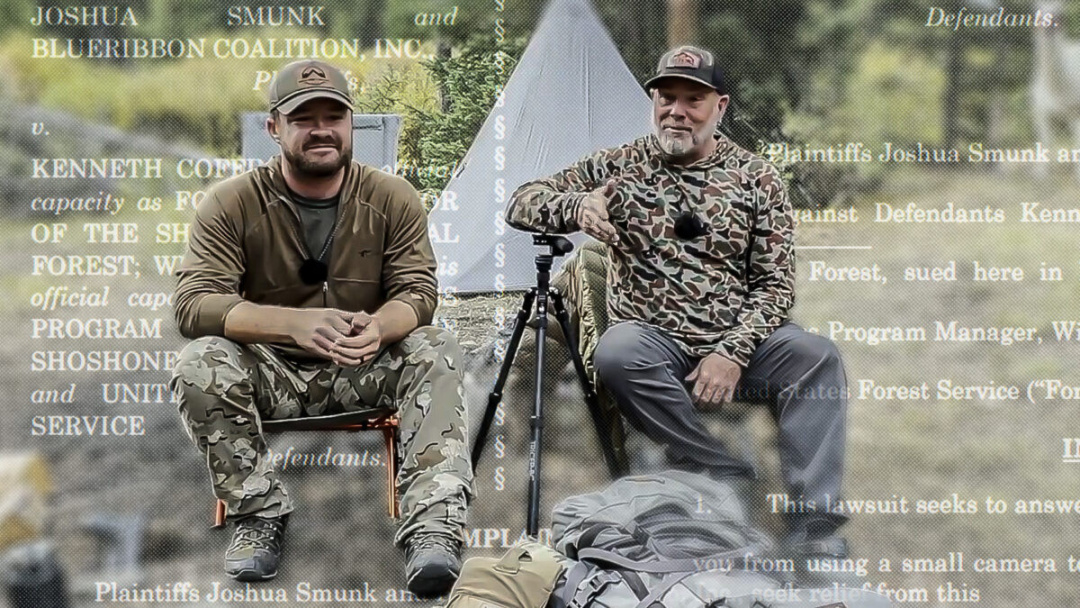
In a striking case that highlights the tension between federal regulations and personal liberties, Josh Smunk, an entrepreneur and outdoor enthusiast, is challenging the U.S. Forest Service's restrictive policies on filming in wilderness areas. Smunk, who operates a llama rental business in Wyoming, found himself at the center of controversy after appearing on a vodcast discussing his elk hunting experiences in the Shoshone National Forest. Despite the innocuous nature of his video, which garnered around 1,800 views, he was confronted by Forest Service officers who claimed that his filming constituted illegal commercial activity without a permit.
The officers warned Smunk that he could face severe penalties, including a year's imprisonment and a hefty fine of up to $100,000, for merely sharing his outdoor experiences online. This alarming encounter prompted Smunk to seek clarification from the Forest Service, which reiterated that any filming intended for commercial purposes is strictly prohibited in wilderness areas. The agency's sweeping interpretation of what constitutes commercial activity raises significant concerns about the implications for individual rights and freedoms.
Common Sense Shop
The United States of Common Sense
Amazon shopping links. Sponsor Complete!
Smunk's lawsuit, supported by the BlueRibbon Coalition and the Texas Public Policy Foundation, argues that the Forest Service's regulations infringe upon the First Amendment. The complaint points out that millions of Americans share their outdoor adventures online, often monetizing their content through platforms like YouTube. The lawsuit contends that the federal agency's broad definition of commercial filming extends far beyond the original intent of the Wilderness Act, which was designed to protect the natural character of these lands from significant commercial exploitation.
The Wilderness Act of 1964 was enacted to preserve the integrity of nearly 112 million acres of public wilderness, explicitly prohibiting commercial enterprises and the construction of roads or other infrastructure. However, the modern interpretation by the Forest Service suggests that even the simplest act of filming with a smartphone can be classified as commercial activity, thus stifling personal expression and enjoyment of these protected areas.
Balancing Conservation and Personal Expression
Smunk, a lifelong outdoorsman with a background in natural resource management, expressed his frustration with the situation. He acknowledges the importance of protecting wilderness areas but believes that the current regulations are outdated and overly restrictive. "The Wilderness Act is great, but I think it's old, and I think a document like that needs to adapt over the years," he stated.
As this case unfolds, it raises critical questions about the balance between conservation efforts and the rights of individuals to share their experiences in nature. If successful, Smunk's lawsuit could lead to a reevaluation of the Forest Service's policies and provide much-needed clarity regarding the rights of outdoor enthusiasts in America's wilderness areas.
The Common Sense Test
The outcome of this lawsuit could have far-reaching consequences for how federal agencies regulate activities in wilderness areas. It underscores the need for a careful examination of existing laws to ensure they align with contemporary practices and do not infringe upon the fundamental rights of individuals. Smunk's case serves as a reminder that while protecting our natural landscapes is essential, it should not come at the cost of suppressing personal freedoms and expression.
Ultimately, the challenge presented by Smunk's lawsuit is not just about filming in the wilderness; it is about the broader implications for liberty and individual rights in America. As citizens navigate the complexities of federal regulations, it is vital that we advocate for policies that protect both our environment and our freedoms, ensuring that the spirit of the Wilderness Act is preserved without overreach that stifles personal expression. This case could set a precedent that reinforces the necessity of adapting our laws to reflect the realities of modern life while safeguarding the rights of individuals to enjoy and share their experiences in nature.