The Searchlight Case: A Landmark in Press Freedom and Bihar Politics
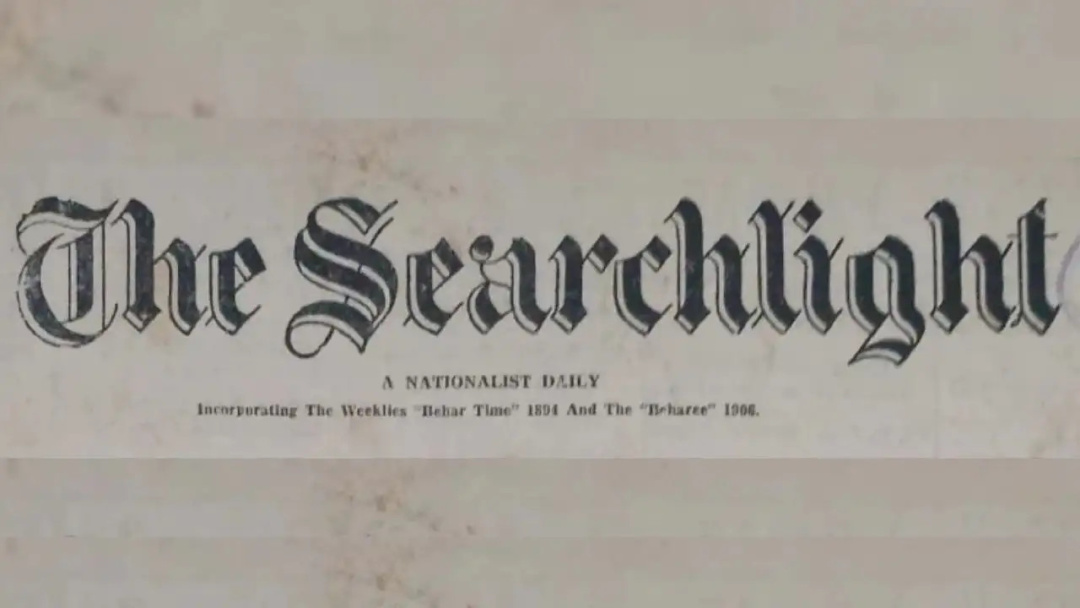
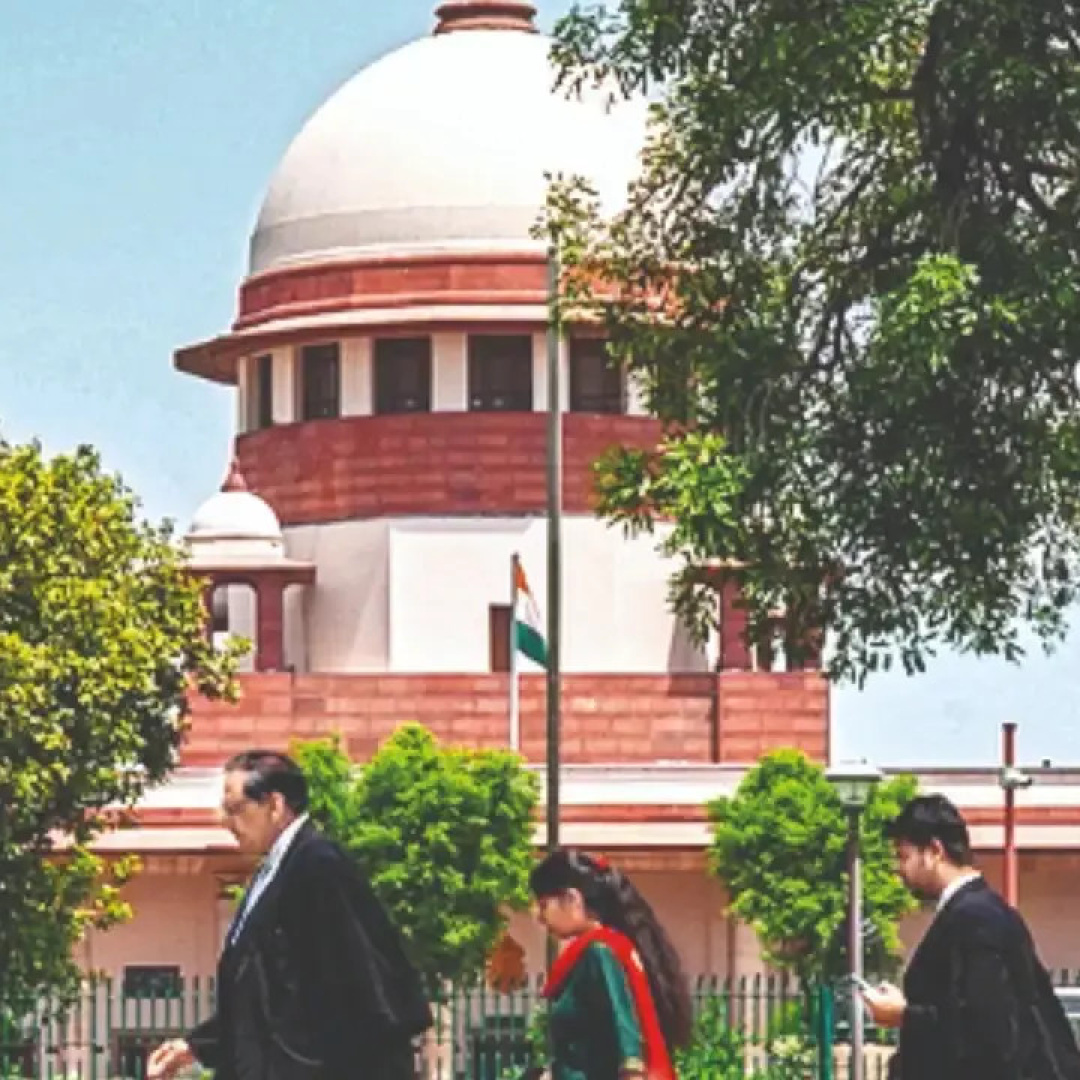
The Supreme Court judgment of December 12, 1958, is a landmark case that illustrates the ongoing struggle between legislative privilege and press freedom in India. It provides a detailed account of the political landscape in Bihar during the 1950s, showcasing the internal conflicts within the Congress party and the press's role as a political actor. The case originated from a speech made by Congress member Maheshwar Prasad Narayan Sinha during a budget debate, where he launched a fierce critique against Chief Minister Sri Krishna Sinha's administration. Despite the Speaker's order to expunge parts of Sinha's speech, the Searchlight newspaper reported it, leading to a privilege motion against the publication.
The Supreme Court, in its ruling, held that the liberty of the press does not supersede the privileges granted to the legislative assembly under Article 194(3) of the Constitution. The majority opinion emphasized that the assembly's privileges were akin to those of the House of Commons in 1950, allowing it to prohibit the publication of its proceedings. In contrast, Justice Subba Rao dissented, arguing that legislative privilege should not infringe upon the fundamental right to free speech, highlighting the delicate balance between governmental authority and individual freedoms.
Common Sense Shop
The United States of Common Sense
Amazon shopping links. Sponsor Complete!
This case not only underscores the legal precedents concerning press freedom but also sheds light on the intricate factionalism within the Congress party at the time. The tensions were not merely between the ruling party and the opposition but also within the party itself, as evidenced by the applause Sinha's speech received from both Congress and opposition members. This suggests a broader discontent with the administration's performance and governance.
The judgment reveals allegations of political patronage and communal calculations, such as the transfer of a Muslim District Engineer to influence voter demographics. While these allegations were not substantiated by the court, they reflect the political strategies employed during that era, emphasizing the importance of understanding the interplay between politics and media.
Press Freedom Under Political Pressure
The Searchlight, as a critical voice, faced hostility from the government, evidenced by the documented assaults on its editor and the subsequent lack of action from the assembly's Committee of Privileges. This highlights the risks faced by journalists in their pursuit of truth and accountability, a theme that resonates with contemporary discussions about press freedom.
The judgment serves as a crucial reference for understanding the dynamics of Bihar's political history, capturing the essence of a divided Congress, an assertive press, and a powerful Chief Minister. It illustrates how local political conflicts can shape national constitutional doctrines, making it a significant case for legal scholars and historians alike.
The Common Sense Test
The implications of this case extend beyond its immediate context, as it laid the groundwork for future legal debates regarding the limits of legislative privilege and the rights of the press. The Searchlight case remains a pivotal moment in the ongoing discourse about the balance of power between government entities and the media, highlighting the need for vigilance in protecting democratic freedoms.
As we reflect on the Searchlight case, it is essential to consider the broader implications for press freedom and legislative accountability. The case serves as a reminder of the delicate balance that must be maintained to ensure that both the government and the press can operate effectively without infringing upon each other's rights. In an era where the press faces increasing challenges, the lessons from this historical case remain relevant in safeguarding the principles of democracy and freedom of expression.