European Gas Prices Rebound Amid Middle East Tensions and Cold Weather
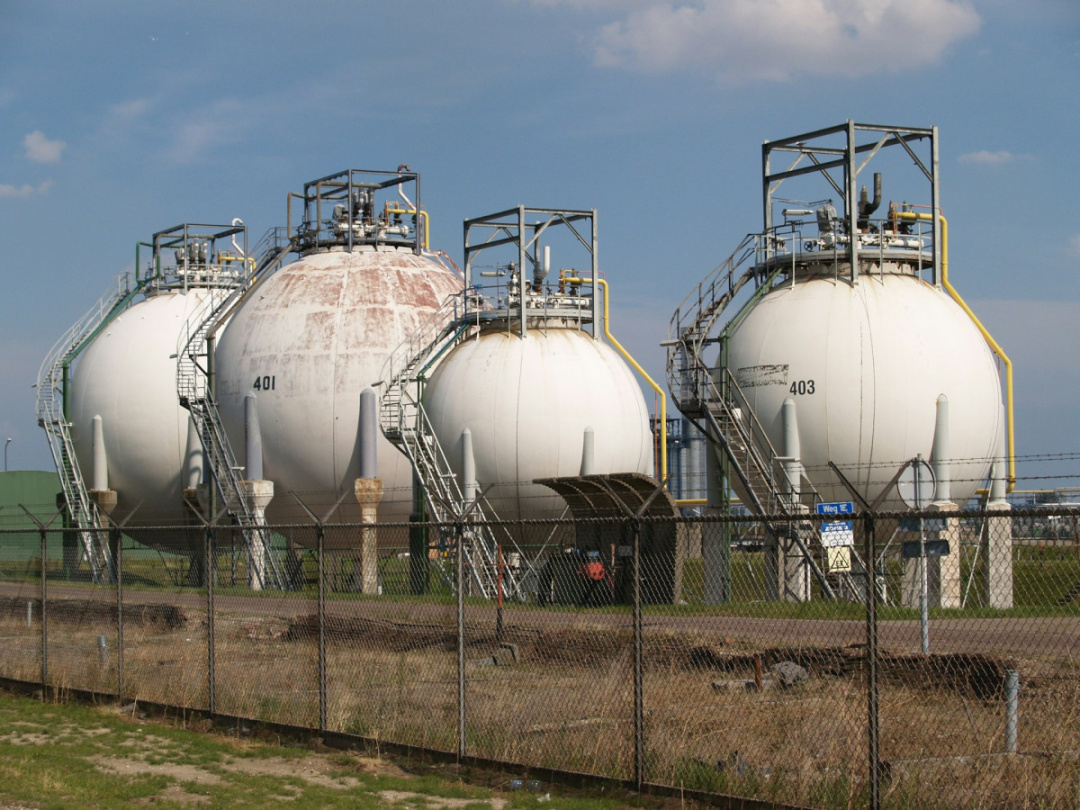
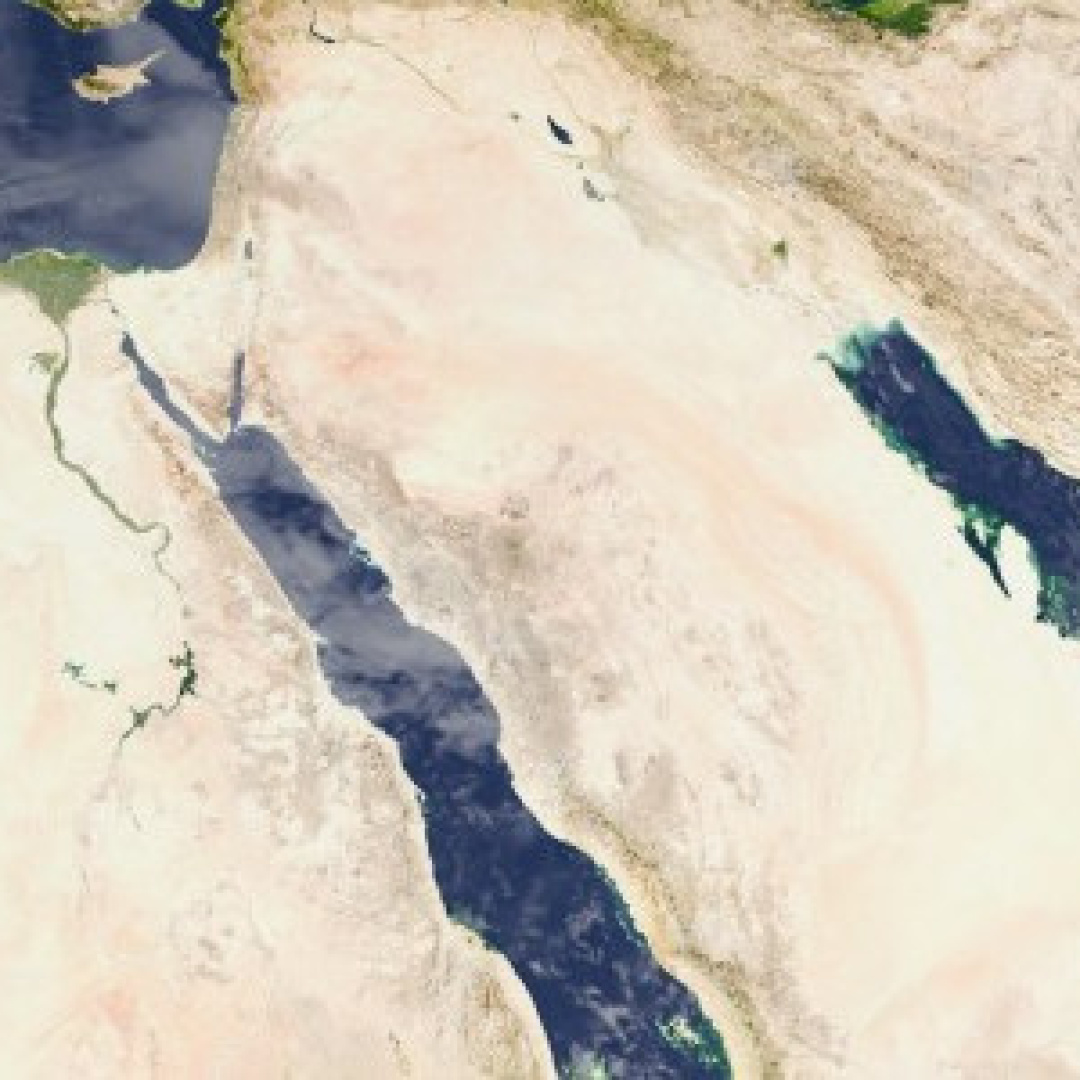
European benchmark natural gas prices have made a notable recovery following a 7% decline earlier in the week. As of Tuesday morning in Amsterdam, prices at the Dutch Title Transfer Facility (TTF) rose by 2%, reaching €86 per megawatt-hour, or approximately $94.61. This rebound comes amid ongoing geopolitical tensions in the Strait of Hormuz, where Iran has been targeting U.S. military assets, and forecasts indicating a cold spell is set to hit large parts of Europe later this week.
Despite the recent increase, current prices remain significantly lower than the four-year high of over €100 per megawatt-hour recorded in late October. However, they are nearly three times higher than the €30 per megawatt-hour seen at the same time last year. The recent price drop was attributed to record-high gas flows to U.S. LNG export facilities and unseasonably mild weather across major European gas-consuming countries.
Common Sense Shop
The United States of Common Sense
Amazon shopping links. Sponsor Complete!
Looking ahead, weather forecasts predict a significant cold spell beginning around November 20, which is expected to increase demand for heating and power, thereby driving up gas consumption. This anticipated rise in demand comes at a time when European gas storage levels are only 70% full, compared to the 90% average seen in previous years. The summer filling season was hampered by a lack of LNG supply from Qatar, leading to net withdrawals starting in nearly all EU countries as colder temperatures set in.
The Common Sense Test
Concerns about gas supply security have been exacerbated by the ongoing tensions in the Middle East. Iran's military has issued warnings against vessels navigating what they term “fake American routes” through the Strait of Hormuz. This is particularly concerning given that LNG flows through the Strait have not rebounded significantly, with current estimates indicating that LNG cargo exits are at about one-third of pre-war levels.
In Germany, the association of gas storage system operators has raised alarms that gas supply may not be fully secured during the upcoming winter, especially in the event of extremely cold temperatures. This precarious situation underscores the importance of monitoring both geopolitical developments and weather patterns as Europe braces for a potentially challenging winter season.