Government's Disinformation Campaign: Lessons Learned and Risks Ahead
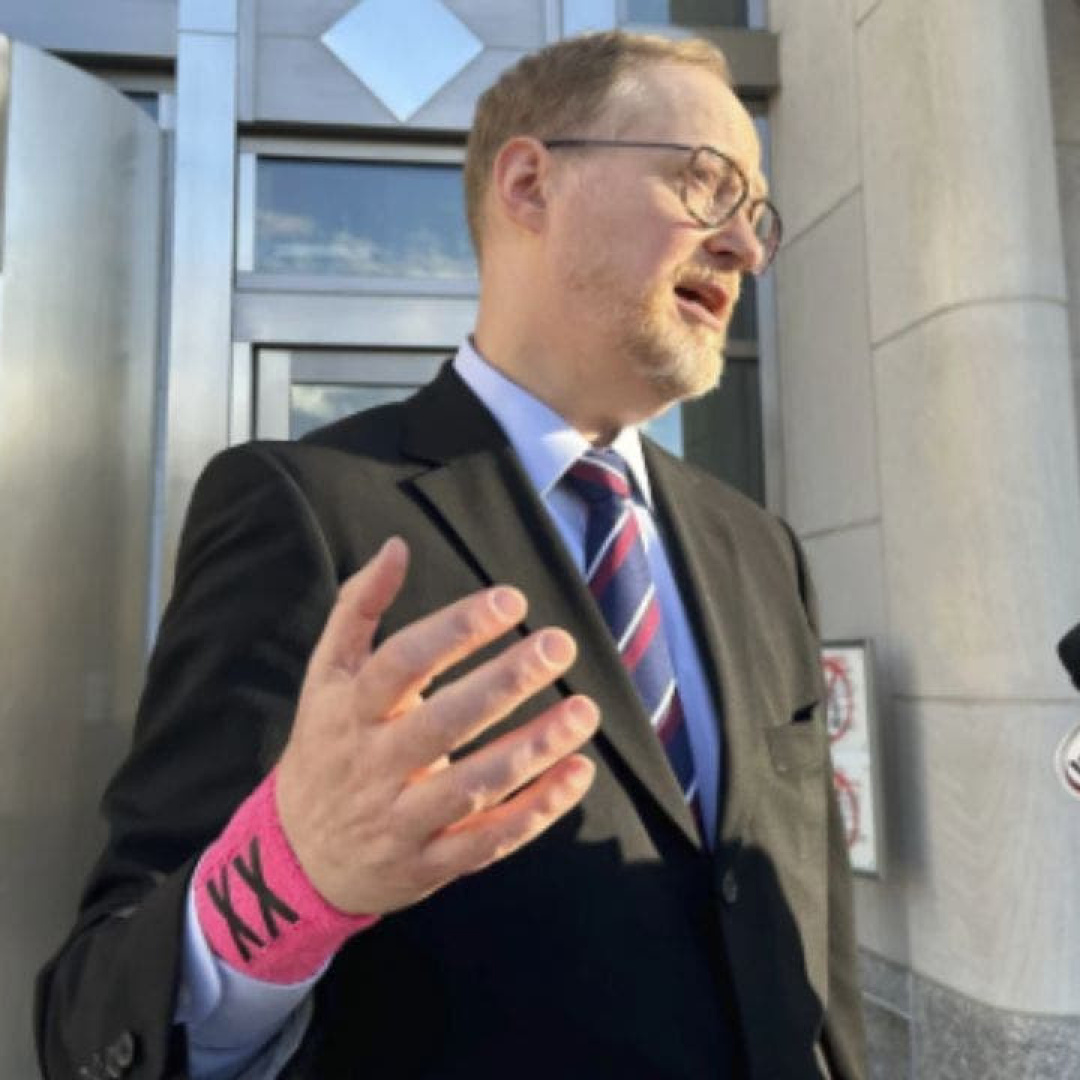
Jennifer Sey's company, XX-XY Athletics, is suing Colorado over a law she argues compels businesses to use preferred pronouns and threatens her company's message about women's sports.
In 2021, the White House issued a national strategy asserting that "a crisis of disinformation and misinformation often channeled through social media platforms" was fueling "extreme polarization" that could lead to domestic terrorism. Messages were sent to social media platforms suggesting that their failure to remove or limit speech could result in violence. This scrutiny intensified when the Department of Homeland Security launched its short-lived Disinformation Governance Board in 2022.
Common Sense Shop
The United States of Common Sense
Amazon shopping links. Sponsor Complete!
A newly released staff report from the Privacy and Civil Liberties Oversight Board (PCLOB) examines this misguided campaign against "disinformation" on social media. The report evaluates the attempt to link disinformation to domestic terrorism while ensuring that the government's efforts to prevent terrorism do not infringe upon Americans’ privacy and civil liberties. After a four-year investigation, PCLOB found no evidence supporting the claim that disinformation fueled domestic terrorism. Despite this, former government officials encouraged social media companies to label questionable content as false, limit users’ access to it, and, in some cases, completely remove the content or the speakers’ accounts from their platforms.
In January 2025, President Donald Trump issued an executive order to end these practices. However, there is a risk of repeating the mistakes of this disturbing chapter if Americans do not learn four key lessons from it.
President Joe Biden’s Disinformation Governance Board was scrapped in May 2022 after it faced overwhelming backlash. The PCLOB report outlines various government responses to disinformation that differ in their intrusiveness and impact on civil liberties. While affirmative government speech is generally accepted as appropriate, efforts to privately encourage third-party social media platforms to enforce their terms of service by removing or throttling speech deemed undesirable by the government are concerning.
Publicly available documents confirm that government actors encouraged social media platforms to suppress broad types of speech without considering whether the speaker was foreign or domestic, or whether the speech was protected. They did not limit their actions to speech that constituted a "true threat" or incited imminent lawless action, as defined by the Supreme Court.
These efforts to suppress speech largely occurred privately, often through direct communication between government officials and social media platforms. Had it not been for lawsuits that forced the discovery of these communications, the public might never have known the extent of the government’s involvement.
Government Guidance on Speech Regulation
Government lawyers responded to the lawsuits and the revelation of questionable emails by issuing guidance to ensure future communications were lawful, primarily advising agencies not to be "coercive." The clear thrust of many of these policies indicated that the executive branch believed it was both appropriate and advisable for government actors to persuade social media companies to monitor or limit certain speech, as long as the communications were framed as suggestions.
It is questionable whether social media platforms would ever truly view an email from the White House as merely a suggestion, regardless of the disclaimers attached. However, even if they did, such communications should not be considered good policy.
The practices initiated to counter disinformation from foreign actors were unfortunately easily adapted to counter domestic terrorism. The risk that the need to combat terrorism would justify curtailing civil liberties is well recognized. This concern is precisely why the 9/11 Commission recommended the creation of PCLOB.
The commission advised that the burden of proof for retaining governmental power should lie with the executive branch, requiring it to demonstrate that such power materially enhances security and that adequate supervision of its use exists to protect civil liberties. In this case, it was not clear that disinformation significantly fueled domestic terrorism, nor that government efforts to suppress such speech would enhance national security.
The Common Sense Test
Trump’s executive order provides a clear direction against government pressure on social media platforms to curtail speech. However, prohibitions on attempts to suppress lawful speech are not clearly stated in current agency policy and are not codified into law, making it relatively easy for the government to reverse course in the future and resume the counter-disinformation efforts described in the PCLOB report.
Americans should not have to suspect or fear that their government is encouraging private companies to censor their speech. To effectively protect the nation, the government must consistently prove itself worthy of trust.