U.S. Strikes Iranian Missile Site After Attacks on Bahrain and Kuwait

U.S. forces executed a precision strike on a missile launch site located on Iran's Qeshm Island late Tuesday night, a move described as necessary for self-defense after Iranian forces attacked American targets in Bahrain. According to military officials, this action was a direct response to the aggression displayed by Iran's Islamic Revolutionary Guard Corps (IRGC), which has increasingly threatened U.S. personnel and assets in the region. U.S. Central Command (CENTCOM) maintains a heightened state of alert to protect American interests across the Middle East.
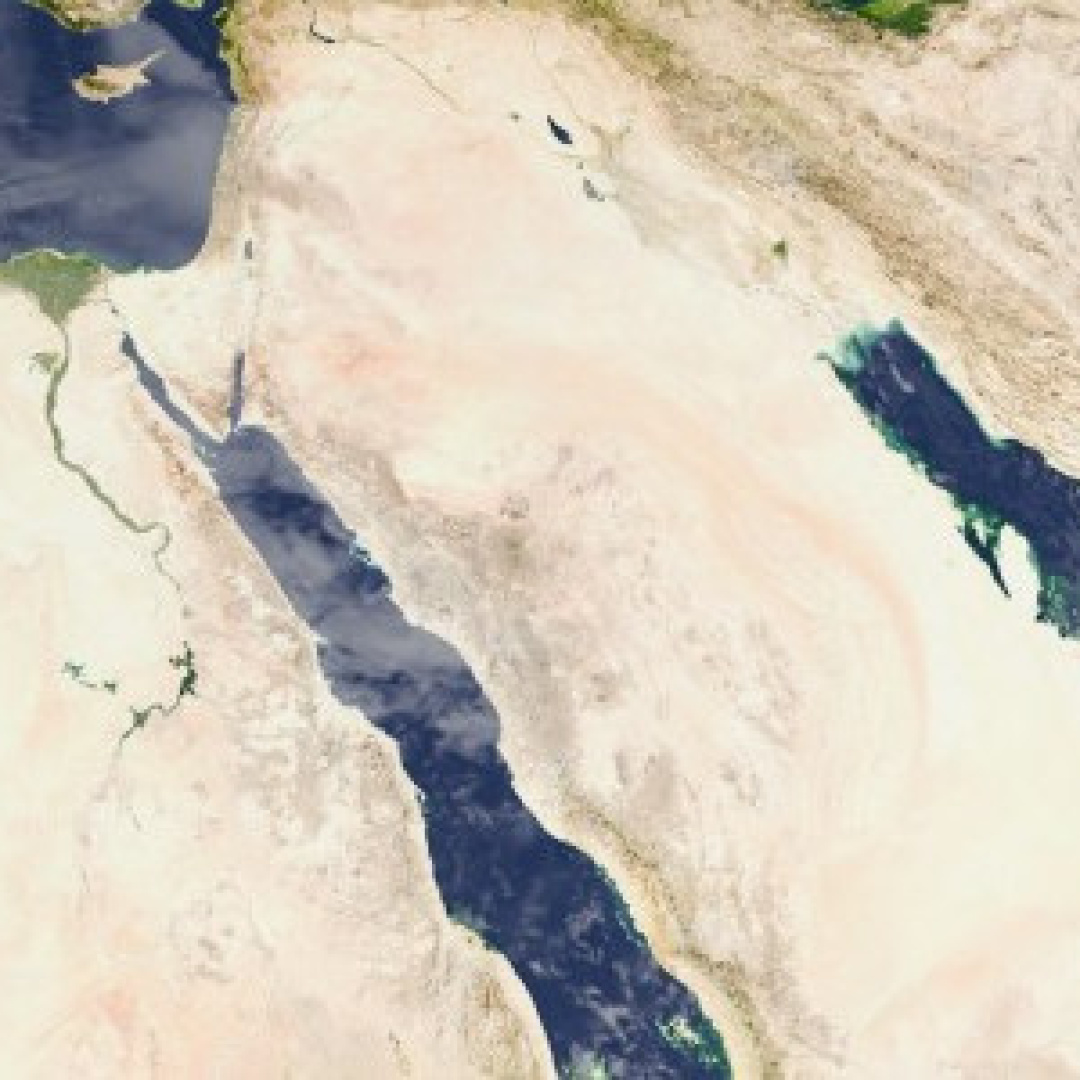
Qeshm Island, the largest island in the Persian Gulf, has long served as a strategic military base for Iran, crucial for controlling the Strait of Hormuz. The IRGC operates a significant naval base there, complete with missile launch sites connected by an extensive network of underground tunnels. The U.S. had previously targeted Qeshm Island in a limited action two weeks prior, aimed at mitigating threats to shipping and aviation in the area.
Common Sense Shop
The United States of Common Sense
Amazon shopping links. Sponsor Complete!
In a rapid escalation following the U.S. strike, Iran claimed responsibility for attacking the Ali Al Salem airbase in Kuwait, marking the first time since September that Iranian forces have directly targeted this U.S. ally. Iranian Army commander Amir Hatami issued a stern warning, stating that Iran is prepared to confront any further aggression from the U.S. and its allies with increased force and without geographic limitations.
The Kuwaiti military confirmed its response to what it described as “hostile drone threats” but reported no damage or casualties from the Iranian attack. The Kuwaiti Foreign Ministry condemned these actions, labeling them a dangerous escalation that jeopardizes regional security and undermines ongoing diplomatic efforts aimed at de-escalation.
Iran's Escalating Military Strategy Unveiled
This incident is not isolated; Iran has reportedly launched at least 30 attacks on the Ali Al Salem airbase since the onset of the current conflict, with some previous assaults resulting in significant damage to military infrastructure. Analysts, such as Danny Citrinowicz from the Institution for National Security Studies in Israel, suggest that Iran's recent military actions reflect a calculated strategy of escalation designed to increase the costs associated with U.S. sanctions and military presence in the region.
The Common Sense Test
As tensions rise, CENTCOM has issued a warning that vessels accepting cargo from Iranian ports may be viewed as evading the blockade. This advisory indicates a firm stance from the U.S. military, which is prepared to take action against any ships that violate the blockade, underscoring the seriousness of the situation and the potential for further conflict in the region.
The ongoing conflict highlights the precarious nature of U.S.-Iran relations and the broader implications for regional stability. As Iran continues to assert its military capabilities and threaten U.S. allies, the need for a robust and strategic response becomes increasingly evident. The question remains: how will the U.S. navigate this escalating conflict while ensuring the safety of its personnel and allies in the region?