Court Rules Agriculture Secretary's Emails Breached First Amendment Rights
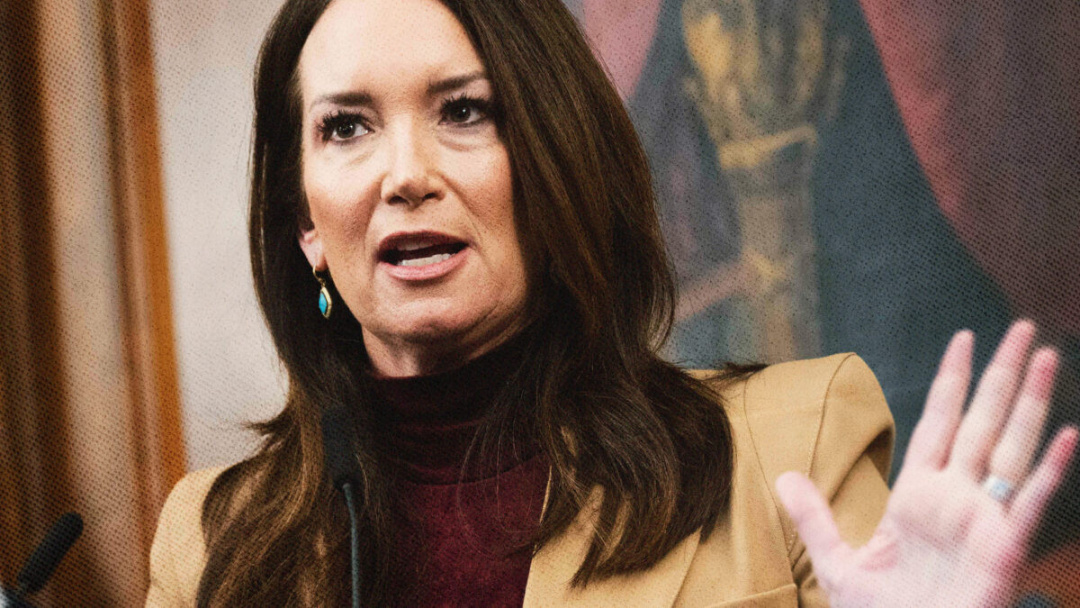
In a significant ruling, U.S. District Judge Trina Thompson determined that Agriculture Secretary Brooke Rollins breached the First Amendment by using her official USDA email to send religious messages to her staff. The emails, which included Easter greetings and encouragement to embrace faith, were sent to approximately 100,000 employees, some of whom felt pressured and unable to opt out of receiving these communications.
The lawsuit, brought forth by six USDA employees and the National Federation of Federal Employees, argued that Rollins' actions violated the Establishment Clause of the First Amendment. Judge Thompson agreed, stating that Rollins' messages went beyond mere holiday wishes and conveyed a religious message in a coercive manner. This ruling highlights the delicate balance between personal faith and the responsibilities of government officials to maintain a neutral workplace environment.
Common Sense Shop
The United States of Common Sense
Amazon shopping links. Sponsor Complete!
The court found that it was unreasonable to expect employees to selectively ignore Rollins' emails, particularly when evidence indicated that at least one employee was told it was impossible to opt out. This raises serious concerns about the implications of government officials using their positions to promote personal beliefs, potentially alienating those who do not share the same faith.
Moreover, the judge noted that Rollins' conduct was inconsistent with USDA guidelines that prohibit the use of official authority to pressure subordinates regarding religious expression. These guidelines, established in July 2025, clearly delineate boundaries for employees when conveying religious content, emphasizing the need to respect colleagues' beliefs and avoid creating a hostile work environment.
USDA's Response to Court Ruling on Religious Expression
Despite the ruling, a USDA spokesperson criticized the decision as an unprecedented attempt to silence a Cabinet Secretary, suggesting that the agency may consider an appeal. However, the court clarified that Rollins is still free to express her faith in personal capacities and engage in religious discussions with willing colleagues, provided that these interactions do not occur through official channels.
This case is particularly notable as Rollins is the first Cabinet member from the Trump administration to face legal consequences for blurring the lines between church and state. Other officials, including Defense Secretary Pete Hegseth, have also faced scrutiny for their religious activities within federal workplaces, indicating a broader issue of religious expression among government leaders.
The Common Sense Test
As Judge Thompson articulated, the First Amendment mandates neutrality between religions and between religion and nonreligion. The implications of this ruling extend beyond Rollins, raising questions about how government officials can navigate their personal beliefs while fulfilling their duties without infringing on the rights of others.
Ultimately, this ruling serves as a reminder of the importance of maintaining a clear separation between personal faith and government responsibilities. As the USDA contemplates its next steps, the broader implications for religious expression in federal workplaces remain to be seen. The balance between individual beliefs and the constitutional mandate for neutrality will continue to be tested as more cases emerge, highlighting the need for clarity and respect in the public sector.