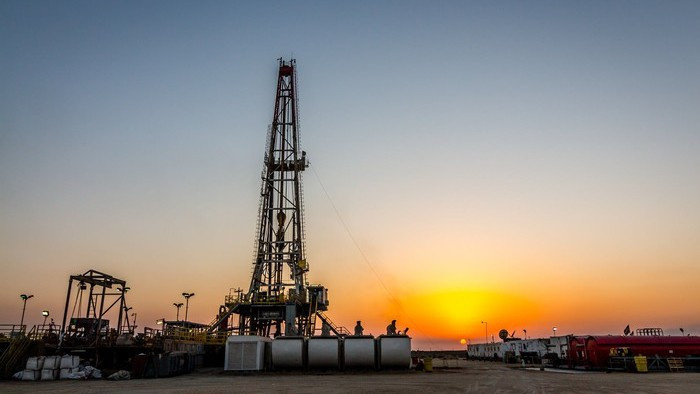
U.S. Oil Rig Count Increases Amid Falling Prices

According to new data published by Baker Hughes, the total number of active drilling rigs for oil and gas in the United States has risen to 607, marking an increase of 53 rigs compared to the same time last year. This uptick in drilling activity comes at a time when oil prices are experiencing a downward trend, raising questions about the sustainability of this growth in the face of fluctuating market conditions.
In the latest reporting period, the number of active oil rigs rose by six to a total of 469, which is 50 more than last year. Meanwhile, the gas rig count saw a modest increase of one, bringing the total to 138, which is just slightly above last year's figures. The miscellaneous rigs category saw a slight decrease, falling by one to ten.
Common Sense Shop
The United States of Common Sense
Amazon shopping links. Sponsor Complete!
Data from the Energy Information Administration (EIA) indicates that U.S. crude oil production has reached record levels for the fourth consecutive week, with production hitting 14.032 million barrels per day (bpd) for the week ending November 13. This figure is an increase from 14.013 million bpd the previous week and represents a year-over-year increase of 198,000 bpd.
However, not all indicators are positive. The Primary Vision Frac Spread Count, which estimates the number of crews completing wells, fell during the same week, losing four crews from the previous week and settling at 191. This number is still up by 16 from the same time last year, suggesting some volatility in completion rates.
Regional Rig Activity Amid Price Declines
In the Permian Basin, the number of active drilling rigs rose by two to 277, which is 23 rigs above the levels seen a year ago. The Eagle Ford region maintained its count at 50 rigs, which is nine more than last year. This regional data highlights the ongoing investment in key U.S. oil-producing areas, even as broader market conditions shift.
As of Friday, oil prices were on the decline, with Brent crude trading at $91.42 per barrel, down 0.61%, and West Texas Intermediate (WTI) at $82.31, down 0.16%. WTI has seen a significant drop of $14 per barrel over the past month, raising concerns about the implications for future drilling and production decisions.
The Common Sense Test
The increase in drilling activity, despite falling prices, showcases a complex landscape for U.S. energy producers. The resilience of the rig count may indicate a strategic response to anticipated future demand or a bet on price recovery. However, the recent price drops could lead to reevaluations of drilling plans as operators weigh the costs of production against potential returns. The energy sector remains a critical component of the U.S. economy, and how it adapts to these market fluctuations will be crucial for its future stability and growth.
Ultimately, the current state of U.S. oil drilling reflects broader trends in energy production and market dynamics. The increase in active rigs is a positive sign for energy independence, but it must be balanced against the realities of market pricing. As the industry navigates these challenges, the focus should remain on sustainable practices that ensure long-term viability without succumbing to the pressures of short-term price fluctuations. The question remains: how will U.S. energy producers adapt to these changing conditions while maintaining their competitive edge?