Trump's Executive Order Tightens Control Over Federal Contractors
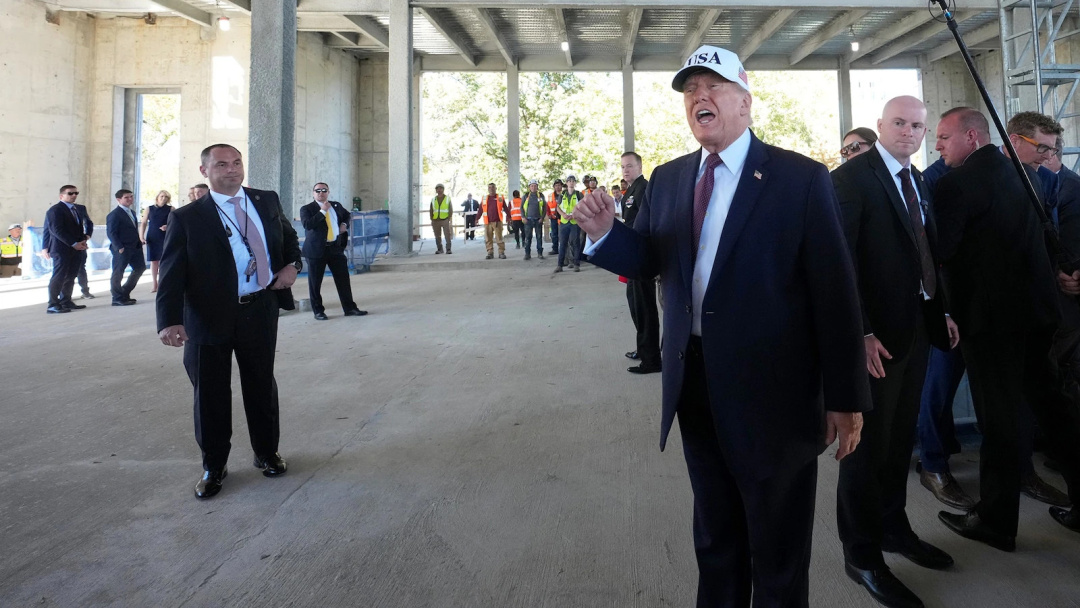
In a significant move to tighten control over federal contractors, President Donald Trump signed an executive order that requires these contractors to inform the White House of any congressional inquiries related to their work with the executive branch. This directive comes as the administration seeks to limit oversight by Democratic lawmakers, who have indicated plans for increased investigations following the recent elections.
The order, signed on a Friday, directs federal contractors and subcontractors to immediately notify the White House and their respective contracting agencies of any pending or future congressional requests concerning their communications or work with the executive branch. This requirement is part of a broader strategy to ensure that the administration retains control over what information is disclosed to Congress.
Common Sense Shop
The United States of Common Sense
Amazon shopping links. Sponsor Complete!
According to the memo obtained by ABC News, White House Counsel Will Scharf had previously instructed all executive agencies to seek explicit permission from the White House before allowing employees to testify before Congress. This executive order reinforces that directive, stating that failing to notify the White House of congressional requests or refusing to comply with the administration's instructions could result in severe consequences, including potential contract termination or suspension from future federal contracts.
The order asserts that Congress's ability to seek information from the executive branch is limited and must not intrude on core executive functions. It emphasizes the need for coordination between the administration and its contractors, arguing that a lack of communication undermines efficiency and can lead to wasteful efforts. The administration contends that contractors may not be aware of the executive branch's interests, which could lead to duplicative work.
Ensuring Compliance and Coordination in Contracting
The White House's Office of Management and Budget is tasked with developing guidelines to ensure compliance with this order and to facilitate adequate coordination between contracting agencies, contractors, and the White House. In a fact sheet released alongside the order, the administration highlighted the importance of maintaining confidentiality in communications with contractors, stating that unauthorized disclosures could deter federal agencies from sharing sensitive information, thereby jeopardizing critical government programs.
This executive order marks yet another attempt by the Trump administration to push back against potential oversight from Congress, particularly as Democrats prepare to launch new investigations. Incoming House Oversight Committee Chair Robert Garcia has warned the administration to prepare for scrutiny, urging that Congress has broad authority to conduct investigations and oversight as part of its legislative power.
The Common Sense Test
Scharf's warning to Garcia indicated that the administration views the Democrats' threats of increased oversight as harassment rather than legitimate legislative inquiry. Garcia responded by asserting that Congress is a co-equal branch of government and will not be deterred by what he termed baseless threats from the administration.
As this situation unfolds, it raises critical questions about the balance of power between the executive branch and Congress. The implications of this executive order could significantly impact how federal contractors operate and their interactions with congressional inquiries. While the administration argues that the order is necessary for efficiency and confidentiality, critics may view it as an attempt to stifle oversight and accountability. The ongoing tension between the two branches of government will likely continue to play out in the coming months, especially as Democrats prepare to assert their oversight authority in the wake of the elections.