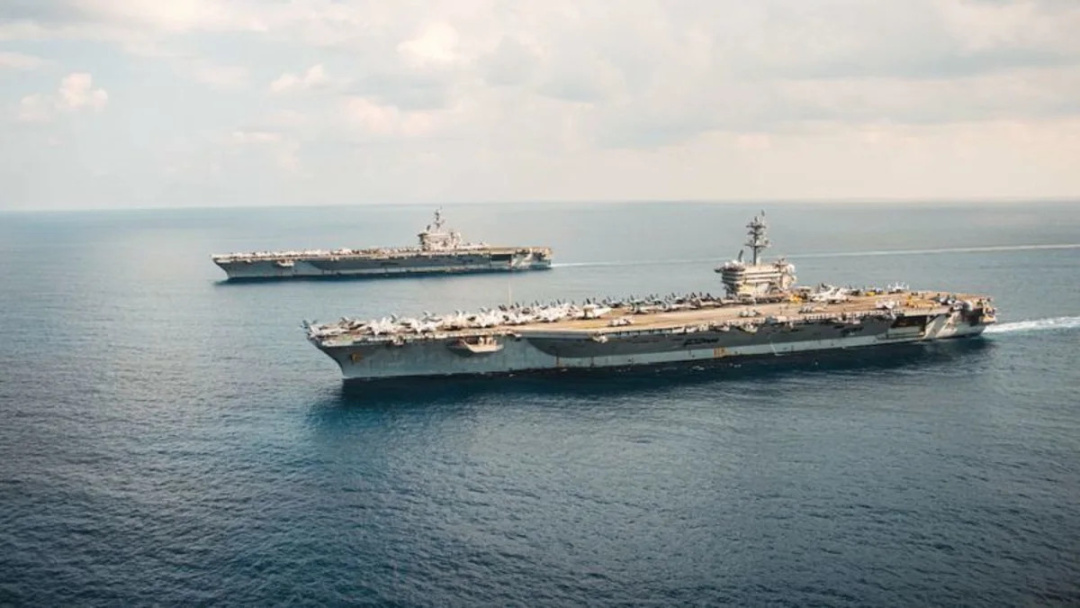
Iran's Oil Tanker Convoy Challenges U.S. Blockade Strategy
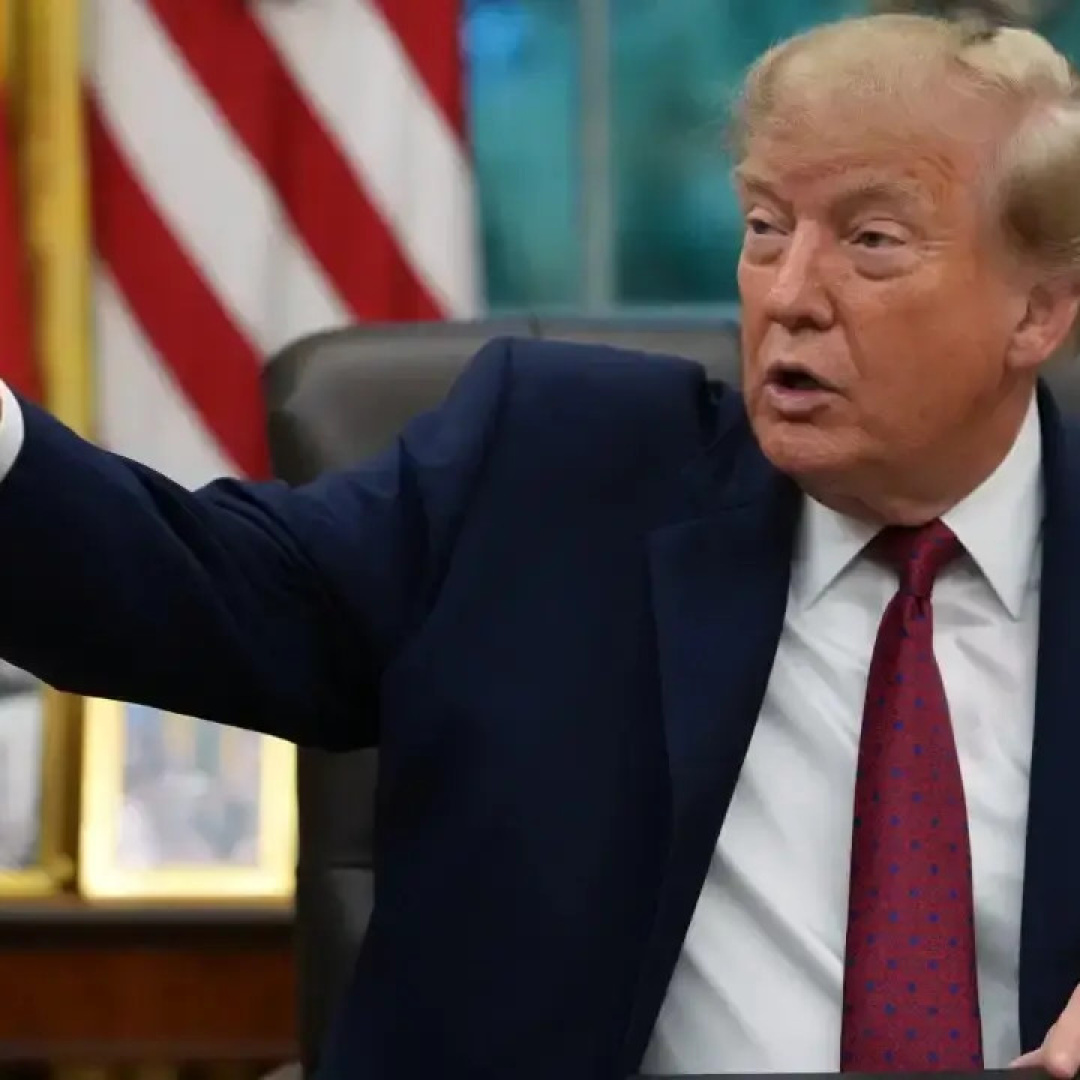
In a significant escalation of tensions, Iran is set to challenge the U.S. blockade by dispatching a convoy of oil tankers through the strategically vital Strait of Hormuz. This comes as the U.S. military and Iranian forces find themselves in a standoff, exchanging strikes on radar and air defense installations without escalating to full-blown conflict. The Trump administration's strategy aims to economically pressure Iran into submission or incite a revolution against its government, but both outcomes appear unlikely at this juncture.
The Israeli government, under Prime Minister Netanyahu, is reportedly pushing the U.S. towards further military engagement, even as U.S. allies in the Gulf region express reluctance to reignite combat operations due to fears of Iranian retaliation. Iran's military has recently intensified its attacks on vessels navigating outside regulated channels in the Strait of Hormuz, hoping to drive up oil prices and force the U.S. to reconsider its blockade strategy.
Common Sense Shop
The United States of Common Sense
Amazon shopping links. Sponsor Complete!
Iranian society is facing severe economic challenges as the blockade continues to strain its economy, leading to skyrocketing prices and making basic food items unaffordable for many citizens. In response to this untenable situation, Iranian Supreme Leader Ayatollah Khamenei has urged the government to take decisive action, signaling a shift from a state of limbo to one of active resistance against U.S. pressures.
Currently, approximately fourteen Iranian oil tankers are being loaded at Kharg Island, preparing to form a convoy aimed at delivering oil to customers in the East. This caravan not only serves as a direct challenge to the U.S. blockade but also signals Iran's intent to escalate the conflict should the U.S. choose to attack its export fleet. The Iranian military has indicated that any aggression towards its tankers would result in retaliation against the oil export facilities of U.S. allies in the Gulf, including the UAE, Saudi Arabia, and Qatar.
Iran's Strategic Messaging
The Iranian government is framing this convoy as a demonstration of resolve, emphasizing that it will not await U.S. permission to operate. The strategic messaging is clear: Iran intends to make it prohibitively costly for the U.S. to enforce its blockade. The Fars News Agency has articulated this strategy, asserting that the convoy symbolizes a refusal to be constrained by U.S. sanctions and military threats.
The historical context is significant; less than six years ago, Iranian tankers successfully navigated to Venezuela under heavy sanctions, showcasing Iran's ability to assert its maritime interests despite international pressures. The current convoy aims to replicate this assertiveness on a larger scale, with an eye towards China as a key destination for its oil exports.
Iran hopes that by leveraging the economic vulnerabilities of Gulf nations, which rely heavily on oil exports, it can sway these countries to pressure the U.S. against military action. Should this strategy succeed, it could effectively break the U.S. siege on Iran, forcing an unwilling concession of defeat by the U.S. However, should the U.S. respond with military force, the broader conflict over its presence in the Middle East is likely to reignite.
The Common Sense Test
As the situation develops, the implications for U.S. foreign policy and regional stability remain profound. The Iranian convoy not only challenges the blockade but also tests the resolve of U.S. allies in the region. The coming days will be critical in determining whether this bold move by Iran will lead to a de-escalation of tensions or a renewed cycle of conflict in the Middle East. The U.S. must carefully consider its next steps, as any miscalculation could have far-reaching consequences for both American interests and regional security.