Trump Proposes 'Tremendous Tax' on Tech Firms Building AI Centers Overseas
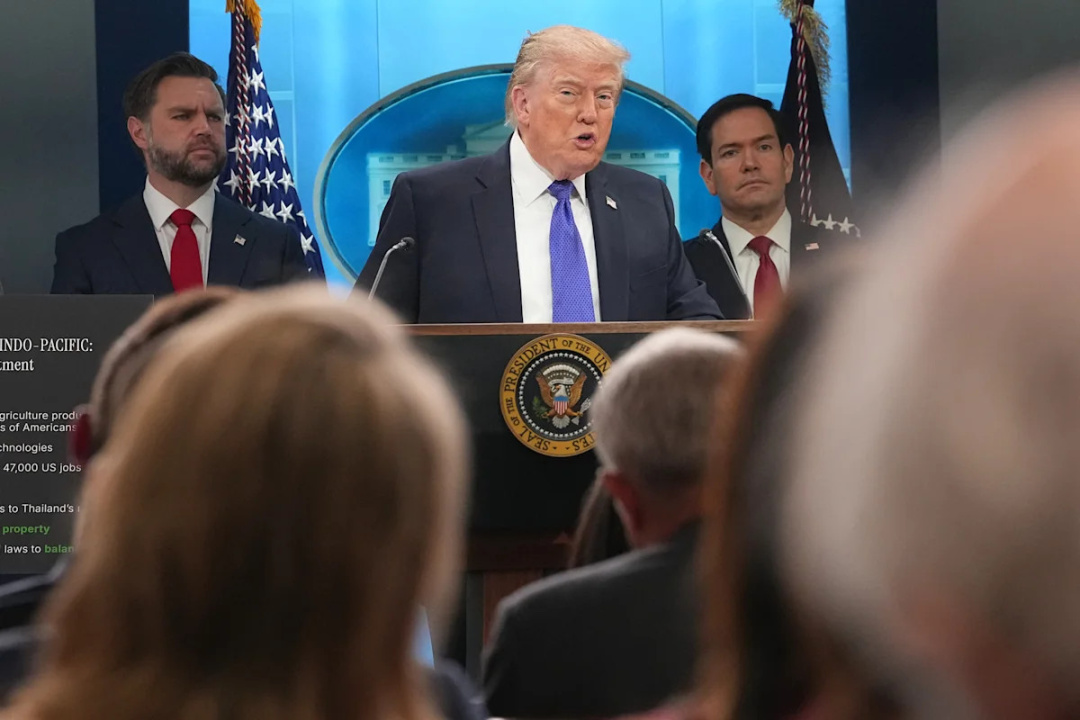
President Donald Trump has threatened to impose "a tremendous tax" on U.S. companies that build artificial intelligence (AI) data centers abroad. This announcement underscores a significant divide between the president's vision for AI expansion and the skepticism of many Americans regarding the benefits of such developments. Speaking to reporters at the White House after returning from Asia, Trump emphasized the importance of maintaining a competitive edge in AI, asserting that the U.S. is currently ahead of China in this crucial technology sector. However, he cautioned that political backlash could hinder the growth of data centers, which are pivotal to the AI boom.
"We're not going to allow companies to build data centers in other countries," Trump stated. "If they do that, they can. But we're going to put a tremendous tax on them." This statement reflects Trump's commitment to keeping AI infrastructure in the U.S., contrasting sharply with his views on the detrimental effects of foreign production of advanced computer chips.
Common Sense Shop
The United States of Common Sense
Amazon shopping links. Sponsor Complete!
Interestingly, Trump admitted that he had not yet discussed this proposal with his staff, leaving questions about its enforcement and practical implications. His comments come at a time when a significant portion of the American public is expressing concerns about the impact of data centers on local communities. According to a recent AP Voter Poll, approximately three-quarters of U.S. voters opposed the construction of new data centers in their neighborhoods.
Moreover, a survey conducted earlier this summer revealed that around 60% of Americans support limiting the number of new data centers, with both Democrats and Republicans largely in agreement. The same survey indicated that many Americans are highly concerned about potential increases in electricity costs and the depletion of water resources in areas where data centers are constructed.
With Democrats now holding majorities in both houses of Congress, a more stringent regulatory environment for AI companies and data center developers is anticipated. This could pose challenges for Trump, who has positioned himself as a staunch advocate for the tech industry, particularly in light of the recent midterm elections that saw Republicans suffer significant losses partly due to voter apprehensions about data centers.
Trump's Proposal for Local Engagement
Trump suggested that community negotiations could help alleviate concerns related to data centers. He proposed that tech companies could offer tax breaks, lower utility bills, funding for local education, and direct payments to residents as part of these discussions. "Make the deal," he urged, noting that tech firms have ample financial resources.
Despite the controversies surrounding data centers, they remain a critical component of the AI development landscape. Industry officials assert that cloud computing services continue to dominate the use of data centers in the U.S. However, as communities increasingly resist the establishment of these facilities, tech giants like Google and Meta are pledging to be more transparent and to provide greater financial incentives to localities willing to host them.
The Common Sense Test
Trump's warning to penalize companies that opt for overseas data centers reflects his belief that such investments are vital for the U.S. economy. Economists estimate that leading tech firms may invest as much as $1.8 trillion next year in AI, primarily in data center development, which could create jobs and boost wages for skilled workers in the construction sector. However, it is important to note that much of the equipment needed for these data centers, including semiconductors, is imported, which could offset some of the economic benefits.
In a related development, the Republican-led Senate recently passed bipartisan legislation aimed at expediting the permitting process for energy infrastructure projects, including those related to data centers. This legislation seeks to enhance the nation's energy supply to meet increasing demand and to lower electricity costs. Trump praised this bill, stating, "It's going to cause tremendous amounts of new building."