Denmark Approves U.S. Military Expansion Deal in Greenland
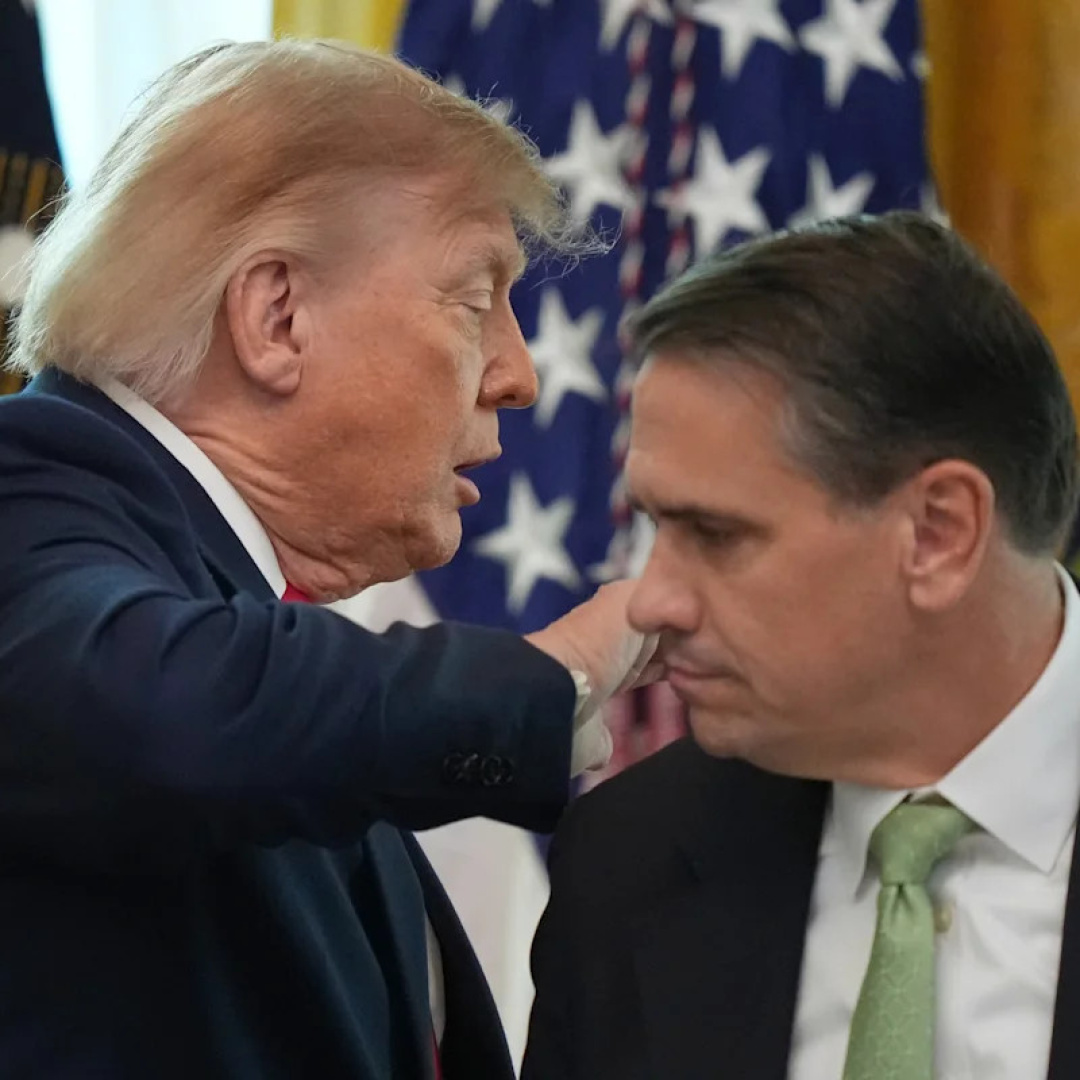
Denmark's parliament voted in favor of a security agreement with the United States, removing the final legislative hurdle for a deal that significantly expands U.S. military operations in Greenland. This approval comes after months of escalating tensions, particularly following U.S. President Donald Trump's controversial remarks about potentially taking control of the strategically crucial Arctic territory.
The newly sanctioned agreement grants the U.S. enhanced military access to Greenland, allowing for the modernization of existing defense facilities and the construction of new military infrastructure. This move is seen as a critical step in bolstering American missile defense capabilities in the Arctic, including support for Trump's proposed Golden Dome system. The deal builds on the longstanding 1951 U.S.-Denmark defense pact and is designed to strengthen security cooperation in the Arctic, while also limiting the military presence of non-NATO countries in the region, particularly in light of rising concerns over Russian and Chinese ambitions.
Common Sense Shop
The United States of Common Sense
Amazon shopping links. Sponsor Complete!
The negotiations leading to this agreement were marked by significant diplomatic tensions, as the U.S. sought to assert a greater military and strategic role in Greenland, while Denmark emphasized that the sovereignty of Greenland is non-negotiable. The agreement effectively expands U.S. military access without altering Greenland's political status, a crucial point for Danish officials.
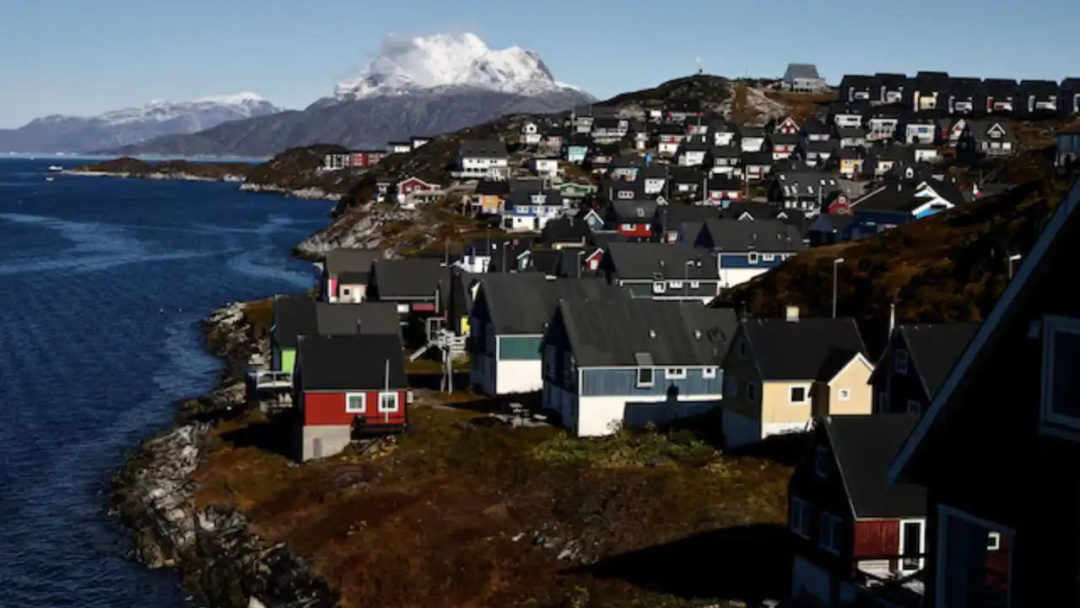
Greenland's geographical location makes it strategically vital for the U.S., situated as it is between North America, Europe, and the Arctic. The island is home to the U.S.-operated Pituffik Space Base, which plays a pivotal role in missile warning and defense, as well as space surveillance. Its position allows the U.S. to monitor potential missile threats and military activities across the Arctic region.
Growing Geopolitical Tensions in the Arctic
The importance of Greenland has only grown with the increasing military and economic competition among the U.S., Russia, and China. Russia has been expanding its military infrastructure in the Arctic, while China is seeking a more significant economic and strategic presence. The melting Arctic ice is also opening new shipping routes, which could lead to increased trade and access to natural resources.
The Common Sense Test
In addition to its strategic military significance, Greenland is rich in mineral resources, including rare earth elements crucial for advanced technologies, electronics, and military applications. Access to these resources could help the U.S. diversify its supply chains and reduce reliance on China, which currently dominates the global rare earth processing industry. However, challenges such as harsh weather conditions and environmental concerns pose significant hurdles to large-scale mining operations.
As the U.S. solidifies its military presence in Greenland, the implications of this agreement extend beyond mere geopolitics. It raises questions about the balance of power in the Arctic and the potential for increased military tensions in a region that is becoming increasingly contested. With both Russia and China eyeing Greenland's strategic assets, the U.S. must navigate these complex dynamics carefully to maintain its interests and ensure the security of its allies in the region. The agreement is a clear indication that the U.S. is prepared to invest in its military capabilities in the Arctic, but the effectiveness of this strategy will depend on ongoing diplomatic efforts and the ability to address the challenges posed by rival powers.