School Choice Did Not Hurt Republicans in Texas Midterms
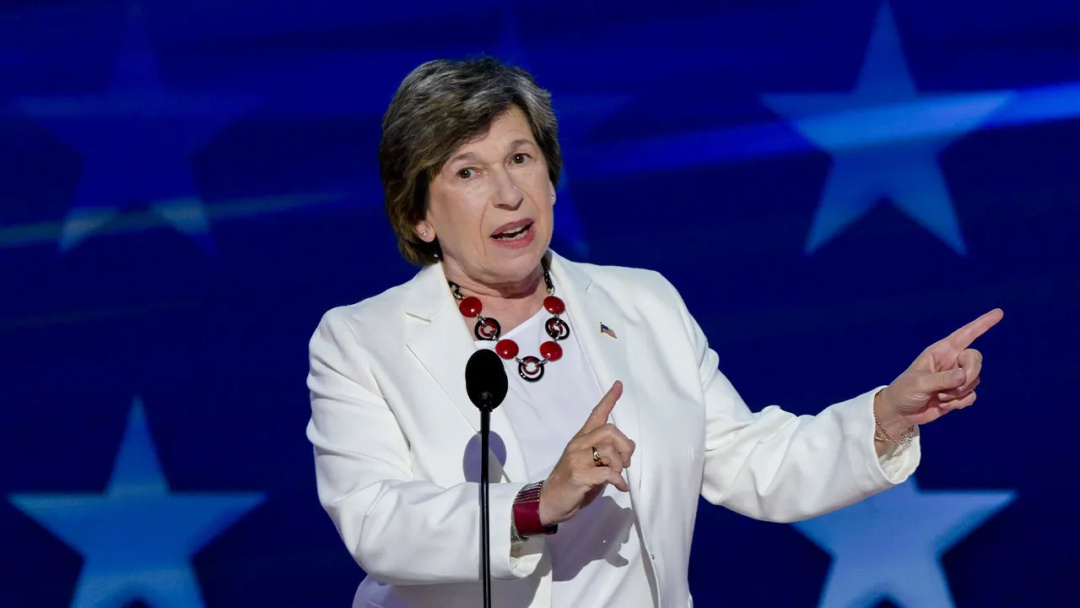
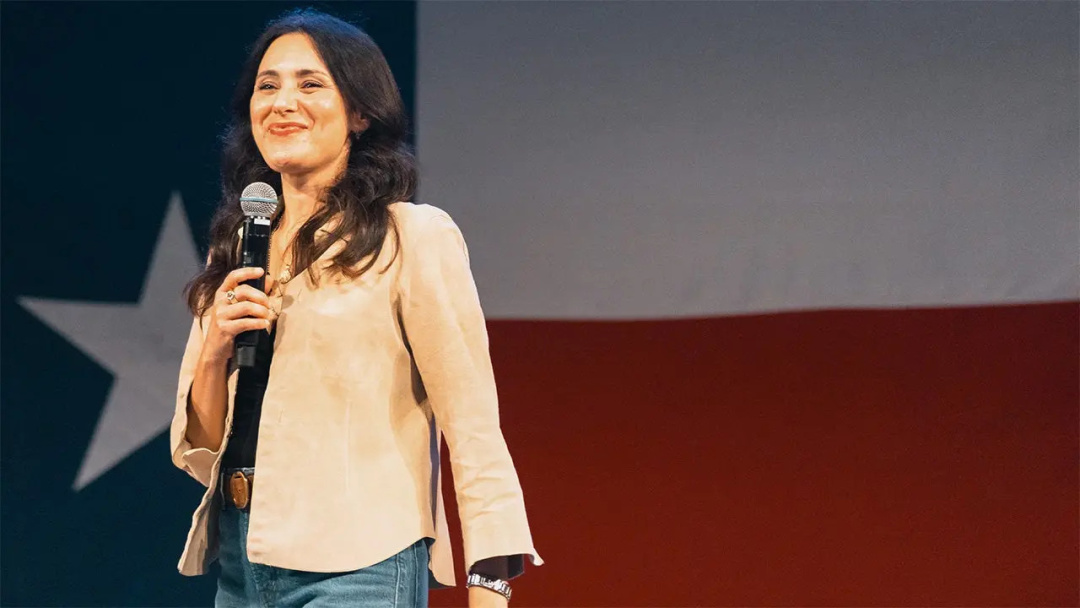
Teachers union head Randi Weingarten and her allies have attempted to craft a narrative suggesting that Republicans lost ground in the midterms due to school choice policies. Weingarten claimed that voters nationwide rejected the defunding of schools and the so-called far-right culture wars. However, this assertion fails to hold up under scrutiny. In Texas, for instance, Governor-elect Gina Hinojosa criticized school choice in her victory speech, labeling it a "voucher scam" and indicating a desire to dismantle it. Yet, this rhetoric does not reflect the reality on the ground where demand for school choice is robust.
In the first year of the Texas Education Freedom Accounts program, over 274,000 students applied, with more than 100,000 receiving funding. Tens of thousands of families remain on a waitlist, demonstrating a clear demand for educational alternatives. This demand contradicts any narrative that suggests a backlash against school choice. Despite the political rhetoric, Abbott's support among rural voters remained steady, with exit polling showing him receiving between 64% and 66% of the rural vote in both the 2022 and 2026 elections, even as his overall support shifted leftward.
Common Sense Shop
The United States of Common Sense
Amazon shopping links. Sponsor Complete!
Education ranked low on voters' priority lists, trailing behind pressing issues like the economy and immigration. In the recent elections, Texas voters overwhelmingly rejected nearly $7 billion in proposed funding for public schools, indicating a preference for reducing local taxes rather than increasing government spending on education. Additionally, a University of Texas at Austin poll showed that voters trusted both gubernatorial candidates equally on public education, a significant shift from the historical advantage Democrats held on this issue.
Republican Support for School Choice Solidifies
Support for school choice remains strong among Texas Republicans, with 88% backing it in the 2022 ballot. In recent elections, Republican primary voters have consistently favored school-choice candidates. For example, anti-school-choice incumbent Glenn Rogers lost his primary by a staggering 27 points, signaling a clear message from the party base. The Dallas Morning News attempted to propagate a narrative of rural Republicans embracing Hinojosa, only to later disclose that the author of a supportive op-ed was compensated by her campaign, raising questions about the integrity of such claims.
The Common Sense Test
The argument that school choice undermines rural communities lacks merit. As school choice expands, it offers families options beyond their district schools, fostering competition that can enhance the quality of public education. Historical precedents show that the earliest voucher programs in Maine and Vermont were established to provide educational opportunities in rural areas lacking public schools. This long-standing recognition of the need for educational choice remains relevant today.
Interestingly, states like Mississippi and Alaska flipped Senate seats to Democrats despite not having universal school-choice programs, highlighting a broader national trend rather than a localized issue in Texas. Evidence suggests that Hinojosa might have performed even better had she aligned with parents advocating for school choice. The reality is that school choice did not cost Abbott his election; rather, it may jeopardize the positions of those in power if they attempt to strip scholarships away from families who depend on them. Once parents experience the benefits of school choice, they are likely to fight fiercely to retain it.