EU Postpones Methane Regulations Amid Energy Supply Crisis
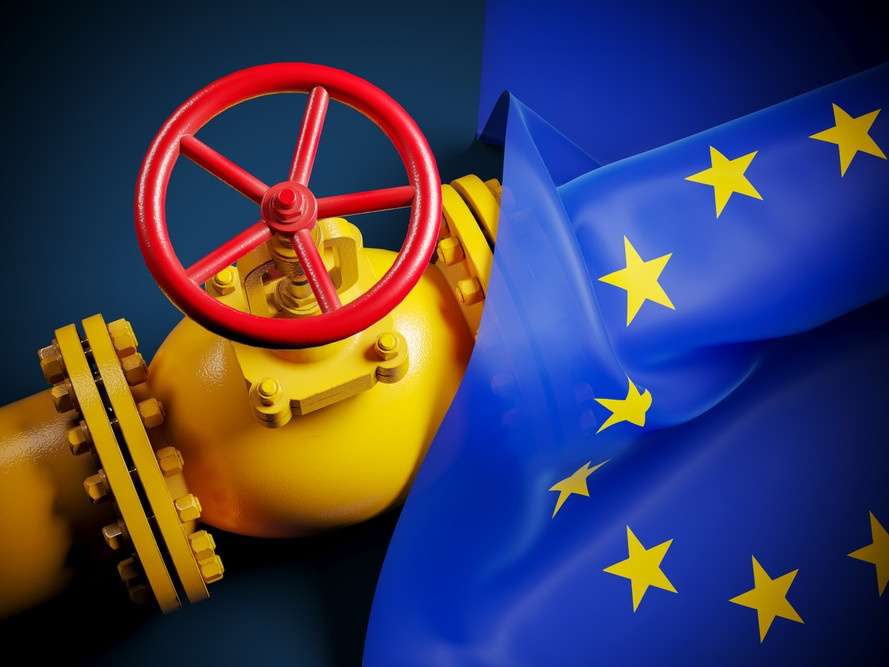
In a significant move, the European Parliament and EU member states have decided to postpone the enforcement of methane regulations by two years. This delay is largely attributed to the ongoing disruptions in energy supply caused by the conflict in the Middle East, particularly the war involving the U.S. and Israel against Iran. The European Parliament stated that importers have expressed concerns about their ability to secure compliant supplies during a time when energy markets are already strained and prices remain high due to the ongoing conflict.
The postponed methane regulation was initially set to take effect in 2027, but it will now be implemented in 2029. This regulation requires both suppliers and buyers to report on the methane intensity of fossil fuels entering the EU market. The implications of this regulation have been a topic of contention, particularly for the United States and Qatar, who have repeatedly voiced their concerns regarding its feasibility. U.S. Energy Secretary Chris Wright has emphasized that there is no viable path to compliance with the regulation, as tracking every hydrocarbon molecule and its methane content is virtually impossible.
Common Sense Shop
The United States of Common Sense
Amazon shopping links. Sponsor Complete!
In a joint letter sent in June, Wright and Qatari Energy Minister Saad al-Kaabi highlighted the legal challenges posed by the regulation, stating, "Because legal compliance remains paramount, exporters and importers alike are unwilling to enter into contractual agreements that knowingly violate EU law." This sentiment underscores the regulatory hurdles that could disrupt the EU's oil and gas imports, which are critical for energy security.
Balancing Environmental Goals and Energy Needs
The methane regulation was formally adopted by the EU two years ago, aiming to reduce greenhouse gas emissions not only within the bloc but also compelling external countries that engage in trade with the EU to cut their emissions as well. As the EU grapples with energy supply challenges exacerbated by geopolitical tensions, the decision to delay the methane regulation reflects a pragmatic approach to balancing environmental goals with the pressing need for energy security.
The Common Sense Test
The ongoing conflict in the Middle East has significant implications for global energy markets, and the EU's regulatory decisions will need to adapt to the realities of supply and demand. As energy prices continue to fluctuate, the ability of the EU to secure reliable energy sources while adhering to ambitious environmental regulations remains a critical challenge.
Ultimately, the EU's decision to delay methane regulations serves as a reminder of the complex interplay between energy policy and geopolitical realities. While the intention to reduce emissions is commendable, the practicalities of energy supply must not be overlooked. The EU must navigate these challenges carefully, ensuring that its regulatory framework does not inadvertently jeopardize energy security in the pursuit of environmental goals. The question remains: can the EU balance its climate ambitions with the urgent need for stable energy supplies in a tumultuous global landscape?