AI Vulnerabilities Trigger Major Tech Outages Across U.S. Systems
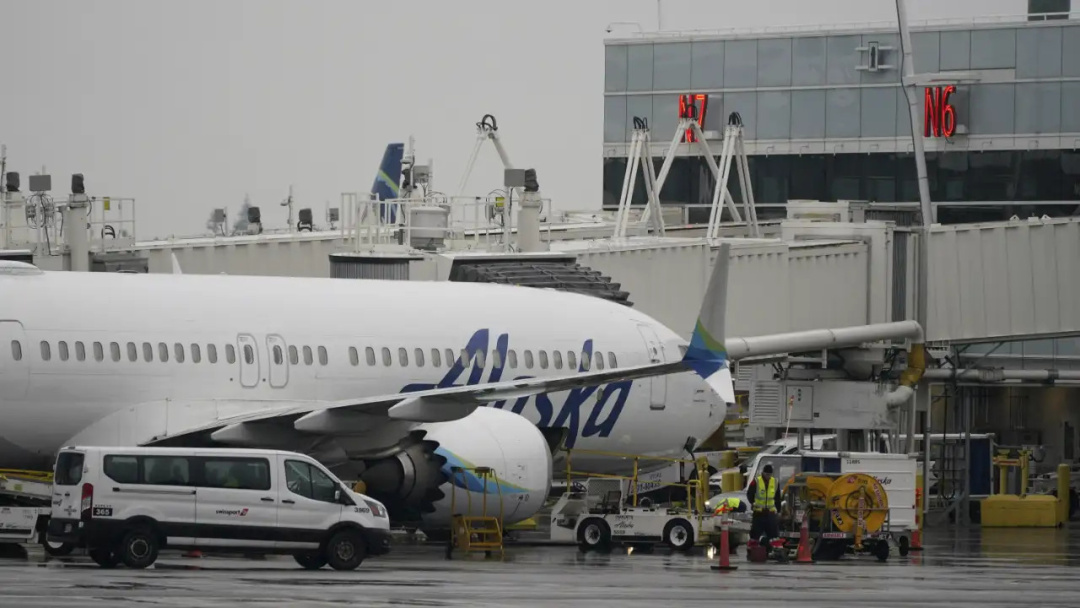
A week marked by significant technological outages has left the U.S. grappling with disruptions in air travel, banking transactions, and critical software services. The chaos, which saw every flight grounded, JPMorgan Chase transactions slowed, and Microsoft Outlook rendered unusable for millions, has been linked to a rush to address security vulnerabilities identified by artificial intelligence models. According to reports, Wall Street executives and officials from the National Security Agency (NSA) informed members of Congress that these outages stemmed from attempts to patch vulnerabilities, not from a cyberattack. The urgency to patch these vulnerabilities has overwhelmed the systems designed to protect them.
AI models have been deployed by companies and government agencies to identify weaknesses in their systems before malicious actors can exploit them. However, this proactive approach has created a ticking clock for organizations, as they race to implement fixes before hackers can leverage similar AI tools. The pressure to quickly patch vulnerabilities has led to a significant increase in the number of security flaws addressed in recent updates. For instance, Microsoft reportedly fixed approximately 1,400 security flaws in a single monthly update, a stark rise from just 170 a year prior. This surge is attributed to AI-driven models designed for bug detection, such as Anthropic's Mythos.
Common Sense Shop
The United States of Common Sense
Amazon shopping links. Sponsor Complete!
The NSA's internal network, known as NSANet, exemplifies the consequences of this rapid patching process. Following a software update aimed at addressing major vulnerabilities in PHP—a programming language that powers around 70% of the world's websites—the network went offline. Director of National Intelligence Jay Clayton confirmed that the outage was due to this patch and emphasized that it was not a result of a cyberattack or coordinated action by a foreign nation.
Diverse Causes Behind Recent Tech Failures
While the AI-driven patching narrative explains some outages, not all failures fit this mold. For example, Microsoft’s Outlook outage, which affected over 450 million Microsoft 365 users, was traced back to a latent bug that had existed on its networking gateway servers since July. Similarly, the Federal Aviation Administration (FAA) experienced a nationwide ground stop due to an overload of data hitting its network, which was linked to a new router in Arkansas. The FAA attributed its problems to outdated legacy equipment rather than the ongoing modernization efforts.
The Common Sense Test
As these incidents unfolded, calls for accountability have emerged. House Minority Leader Hakeem Jeffries requested a briefing from the administration, while Homeland Security Secretary Markwayne Mullin pointed out the challenges of integrating new technologies with outdated computer systems, suggesting that such issues may become more frequent as technology continues to evolve.
The implications of these outages extend beyond mere inconvenience; they raise serious questions about the security and reliability of critical infrastructure in an increasingly digital world. As Congress seeks answers, the balance between rapid technological advancement and the integrity of essential services remains a pressing concern.