U.S. and Israel Weigh Military Action Against Iran Amid Heightened Tensions
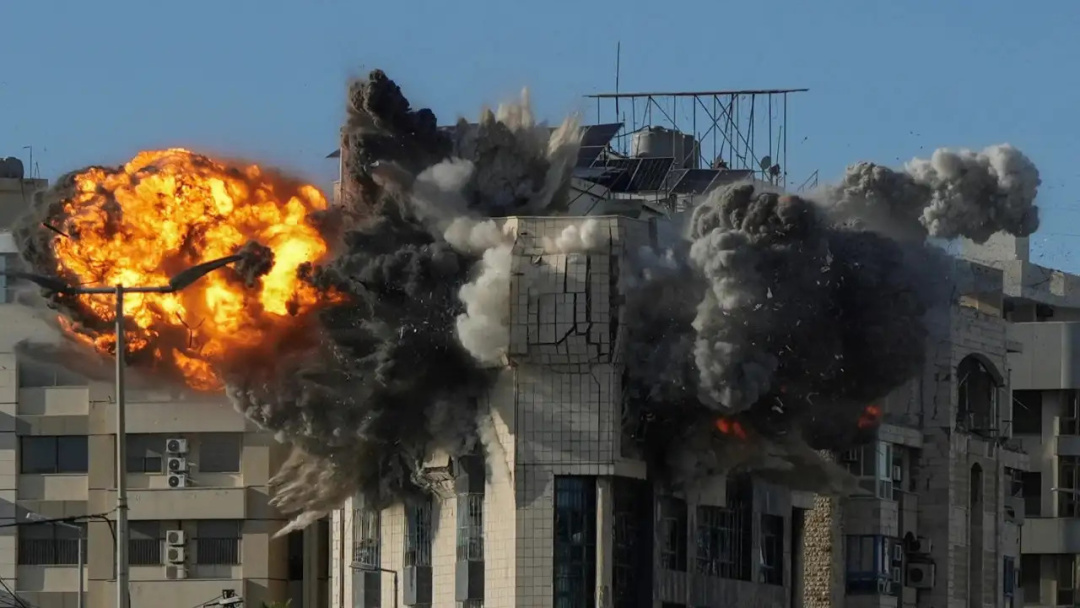
The United States and Israel are reportedly considering launching a fresh military assault on Iran in the coming weeks, according to CBS News, which cited sources familiar with the discussions. Israel is particularly alarmed by Iran's rapid advancements in ballistic missile manufacturing and the underground relocation of its military and nuclear infrastructure. As tensions rise, Israel has fortified its defenses in anticipation of a potential Iranian first strike, underscoring the seriousness of the situation.
However, uncertainty looms over whether President Trump will authorize another military operation, and what form such an action might take. Israeli Prime Minister Benjamin Netanyahu's administration is inclined towards a joint operation with Washington, yet the political ramifications of renewed conflict could complicate decisions for both leaders. The recent midterm elections highlighted the unpopularity of the previous military engagements, which played a significant role in the Republicans' electoral setbacks.
Common Sense Shop
The United States of Common Sense
Amazon shopping links. Sponsor Complete!
The U.S. has already positioned considerable military assets in the region, including tens of thousands of personnel and two aircraft carriers with their strike groups. Reports suggest that a new offensive could be launched within days should Trump give the order. This potential escalation comes amidst a diplomatic deadlock, as months of indirect negotiations between Washington and Tehran have failed to yield a ceasefire agreement, particularly concerning the critical Strait of Hormuz.
Iran has steadfastly refused to discuss its nuclear program unless the U.S. lifts its naval blockade and meets other conditions. President Trump has expressed mixed signals regarding military action, indicating a desire for a lasting agreement while also warning that he might take decisive action soon. His recent comments suggest he is not rushing into a decision, hinting that the stalemate could extend into 2027.
The situation gained further attention following a meeting between U.S. Central Command chief Admiral Brad Cooper and senior Israeli security officials. This meeting, characterized as a "joint, comprehensive situational assessment," included key figures from the Israeli military and intelligence, raising speculation about the seriousness of the threat posed by Iran.
Netanyahu's Political Maneuvering Amid Tensions
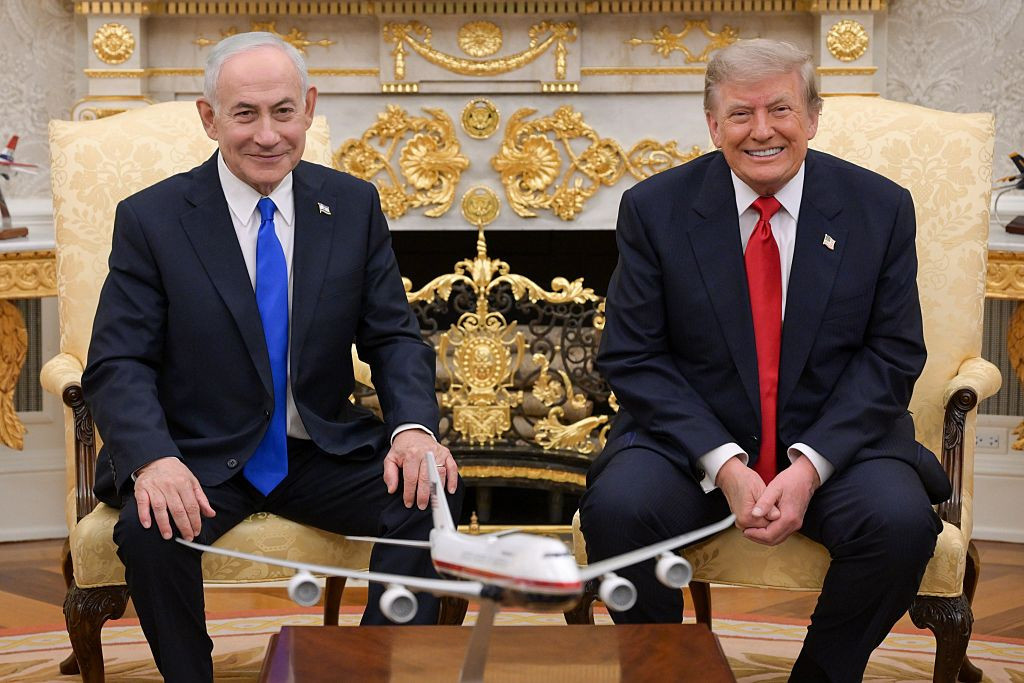
Netanyahu faces a politically sensitive landscape, with his rivals working to form a government following Israel's recent elections, potentially limiting his time in office. He has argued for a unity government to address security threats, particularly from Iran. However, some political opponents suspect he may be leveraging the prospect of renewed conflict to retain power. Trump, who endorsed Netanyahu during the election, has indicated a preference for collaborating with him on any new operations against Iran.
Amidst these developments, Trump has suggested that Iran may be pursuing chemical or biological weapons, although he has not provided evidence for this claim. Iranian officials have dismissed these allegations, likening them to the unfounded claims made prior to the 2003 invasion of Iraq. The Iranian foreign ministry spokesperson has characterized the latest accusations as following a "fraudulent script."
The Common Sense Test
Despite Iran's consistent denials regarding its nuclear ambitions, the situation remains tense, particularly after the U.S. withdrew from the 2015 nuclear agreement during Trump's first term. Iran has since expanded its uranium enrichment activities beyond the levels permitted for civilian energy purposes, raising alarms about its nuclear capabilities. International monitors believe Iran still possesses a stockpile of approximately 900 pounds of uranium enriched to 60% purity, complicating the geopolitical landscape further.
The speculation surrounding a broader military operation comes in the wake of recent exchanges between Iran and the U.S., including American strikes on Iran's strategic Qeshm Island, which U.S. officials described as acts of self-defense following Iranian attacks on American assets in Bahrain. Iran's military response included strikes against Kuwait, though these were reported to have caused no damage. The situation remains fluid, and the potential for escalation is palpable as both nations navigate a complex web of military and diplomatic tensions.