Congress Demands Answers on Nvidia CEO Huang's Reinstatement
Members of Congress reacted with swift, bipartisan fury following Nvidia's board decision to reinstate CEO Jensen Huang at the urging of President Donald Trump. This unexpected move has opened a new chapter of scrutiny regarding the chipmaking giant and its potential national security implications.
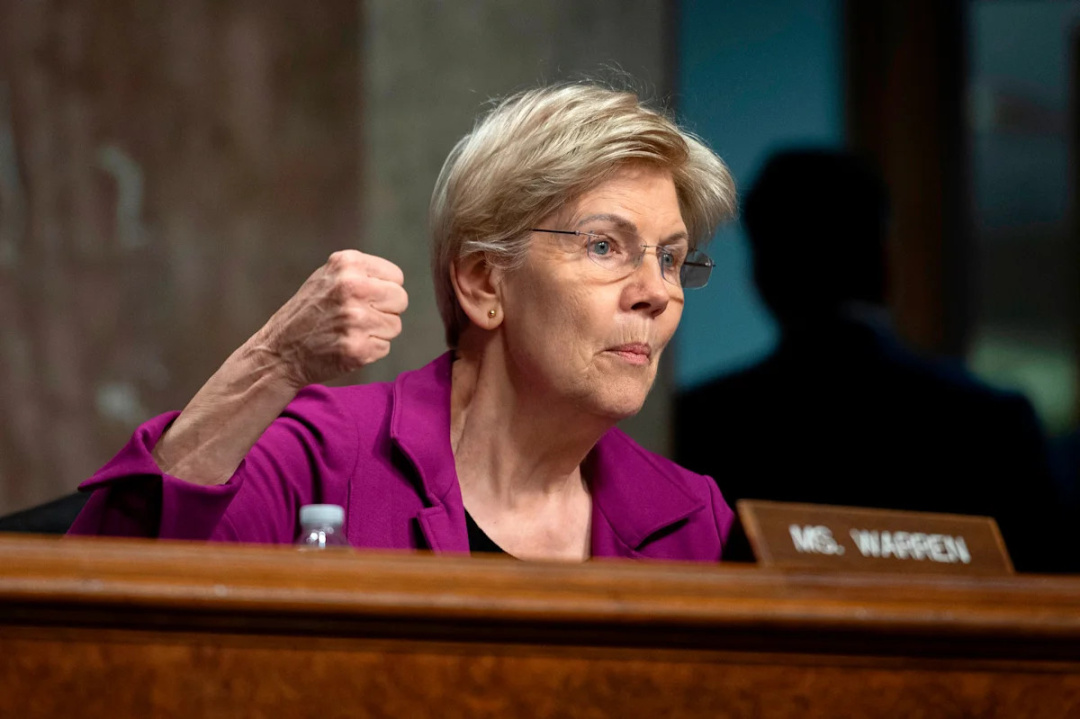
Senator Tim Scott, the outgoing Republican chairman of the Senate Banking Committee, announced that Huang will testify publicly before the committee on December 3. Democratic Senator Elizabeth Warren, the incoming chair, emphasized the need for the Trump administration to clarify its role in what she termed a "reckless" decision. The involvement of U.S. officials in Nvidia's corporate governance has raised alarms among lawmakers.
Common Sense Shop
The United States of Common Sense
Amazon shopping links. Sponsor Complete!
Representative Robert Garcia, the incoming chairman of the House Oversight Committee, stated that Trump’s direct involvement in Nvidia’s decision-making "raises serious national security and corruption questions." He stressed the urgency of investigating these actions, particularly given Nvidia's previous acknowledgment of a relationship between Huang and a Chinese businesswoman suspected of espionage.
The reinstatement of Huang, particularly after Trump claimed the board did "what we wanted them to do," has intensified concerns about the administration's influence over a company vital to the AI economy. As Democrats prepare to take control of Congress in January, they are gearing up for investigations into the Trump administration, focusing on figures like Commerce Secretary Howard Lutnick, who has close ties to Nvidia.
Earlier this month, Treasury Secretary Scott Bessent expressed frustration over the Commerce Department's delay in imposing restrictions on Nvidia's chip exports to Megaspeed, the company linked to Huang. The controversy surrounding Nvidia and Megaspeed is viewed as just the beginning, with Senator Tom Cotton of Arkansas, the Republican chairman of the Senate Intelligence Committee, asserting that Congress has much to investigate.
Huang's Upcoming Congressional Testimony
Huang is set to face two days of interviews with three House committees next week, alongside his public hearing in the Senate. A joint statement from Representatives John Moolenaar, Rick Crawford, and Brian Mast underscored that Nvidia's brief internal investigation and Huang's reinstatement do not eliminate the pressing national security threats that need addressing. They remain committed to uncovering the mass smuggling of Nvidia products and their potential diversion for Chinese military purposes.
Concerns linger about whether Nvidia, one of the world's most valuable publicly traded companies, has been in violation of export controls by selling chips to China. Earlier this year, Congress urged the U.S. Commerce Department to suspend Nvidia's export licenses to China and conduct a comprehensive national security review. Reports indicate that Nvidia received approvals to export advanced AI chips to Chinese companies linked to the military, raising further alarms.
Amidst the uproar, some Republican leaders have remained quiet, while others have voiced strong concerns. Senator John Cornyn of Texas questioned Nvidia's assertion of no national security risk, demanding clarity on whether the FBI conducted a defensive briefing for Huang. Meanwhile, Representative Don Bacon insisted that the U.S. cannot claim to want to win the AI race while providing China with its best technology.
The Common Sense Test
As Democrats prepare to take a more aggressive stance on national security and political corruption, the implications of Huang's reinstatement could lead to significant congressional investigations. Senator Chris Coons of Delaware highlighted the absurdity of Huang's situation, given his past relationship with a suspected Chinese spy.
In January, as Democrats assume control, they plan to hold the Trump administration accountable for what they see as a compromising of national security interests.