Trump Defends Jensen Huang's Return to Nvidia Amid Security Concerns
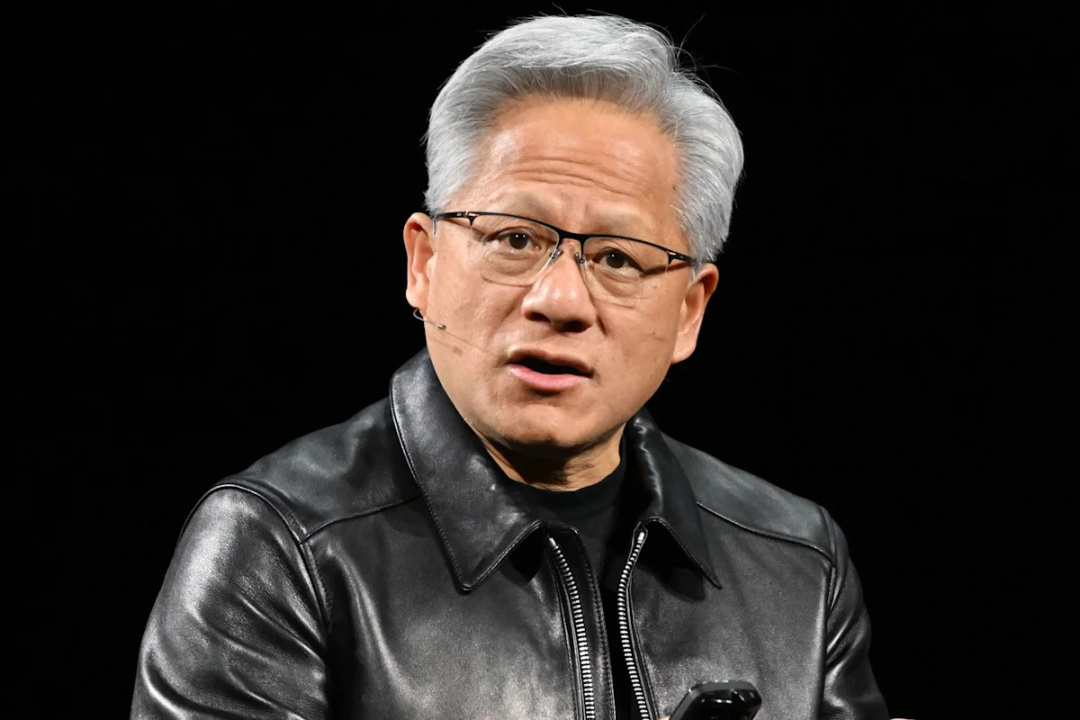
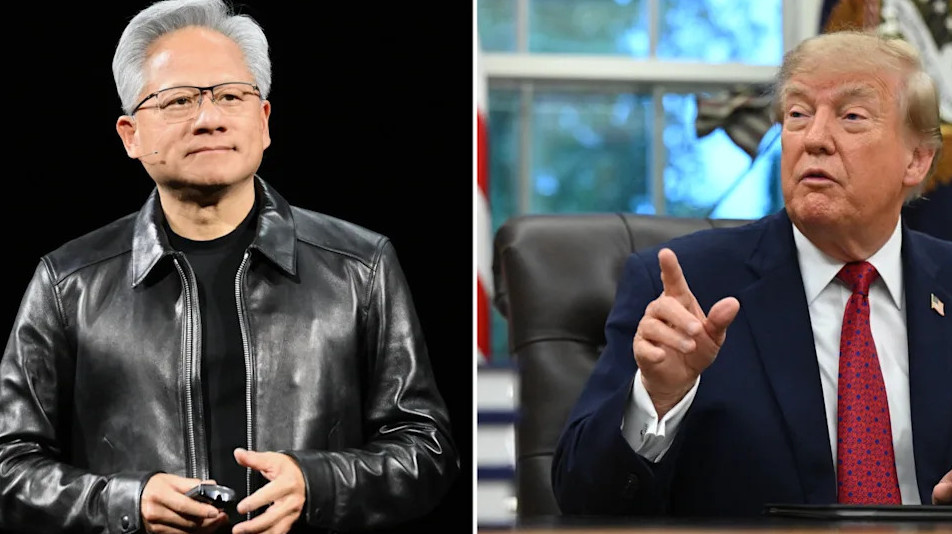
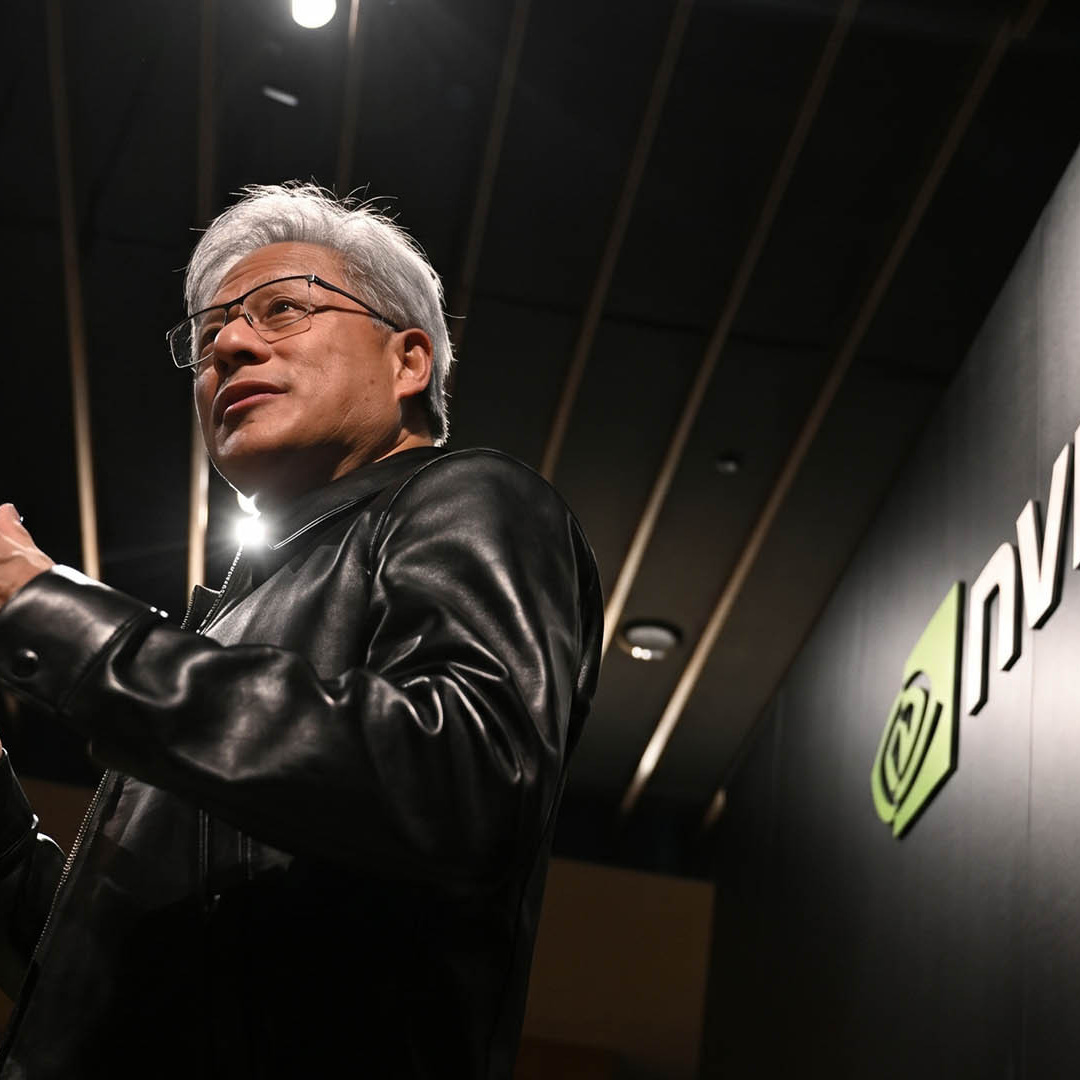
When news broke that Jensen Huang had been reinstated as president and CEO of Nvidia less than two weeks after resigning amid allegations of multiple extramarital affairs, including one with a woman suspected of espionage for China, President Trump was quick to reassure the public. He stated, "The United States Government has no reason to believe that Jensen's return to NVIDIA poses any risk to National Security." Trump emphasized the importance of Huang, saying, "People say, 'Is it a threat to have him?' No, it's a threat to lose him."
However, not everyone shares Trump's confidence. Before Huang's resignation, intelligence officials reportedly identified Alice Huang, the Chinese-born leader of a Southeast Asian company called Megaspeed, as a Chinese intelligence asset. She had maintained contact with Beijing's top spy agency for over a year while targeting Huang. This raises serious questions about Huang's judgment and the potential implications for U.S. national security.
Common Sense Shop
The United States of Common Sense
Amazon shopping links. Sponsor Complete!
The stakes are high. Without government authorization, U.S. export controls prohibit Nvidia from selling certain advanced AI microchips directly to China, which is a key competitor in the AI space. During the time when Jensen and Alice Huang were seen socializing, Megaspeed purchased billions of dollars’ worth of Nvidia chips, raising alarms about the potential transfer of sensitive technology to China. Furthermore, Megaspeed is under federal investigation for allegedly smuggling advanced Nvidia semiconductors out of the U.S. and into China.
Huang's reinstatement has sparked immediate bipartisan backlash. Outgoing Republican Representative Don Bacon of Nebraska accused Huang of being "compromised and exploited by a Chinese spy," asserting that Nvidia should have moved on without him. He called for Congress to investigate who approved the sale of high-end computer chips to China, emphasizing that the U.S. cannot claim to want to win the AI race while giving China access to its best technology.
Senator John Cornyn, another retiring Republican, expressed skepticism about Trump's dismissal of the risks associated with Huang's return, questioning, "No national security risk? Based on what?" This reflects a growing concern among lawmakers regarding the implications of Huang's leadership at Nvidia, especially in light of the company's significant role in the tech sector.
Trump's Influence on Nvidia's Leadership
Trump has claimed credit for Huang's return, stating he spoke directly to Nvidia's board and convinced them to reinstate him. This comes after a series of discussions where Huang lobbied for the ability to conduct business with China, which has seen the U.S. position on chip sales fluctuate over the past 18 months. In April 2025, the Trump administration imposed major restrictions on AI semiconductor sales, only to later approve sales of Nvidia's second-most-powerful chip to Beijing after meetings between Trump and Huang.
Despite Trump's assurances, the situation remains precarious. After Huang's resignation, Trump downplayed concerns about Alice Huang's connections to Chinese intelligence, suggesting that accusations against attractive women from China are often exaggerated. He called for Huang's return on social media, indicating that he believed it was essential for Nvidia's stability and the broader economy.
The Common Sense Test
As Jensen Huang prepares to deliver closed-door testimony before three congressional committees on December 1, the scrutiny surrounding his leadership continues to mount. Congressional Democrats have signaled their intent to investigate further, with concerns that the administration is prioritizing stock market stability over national security. This situation underscores the ongoing tension between corporate interests and the imperative to safeguard American technological advancements from foreign adversaries.
As the investigations unfold, the question remains: can the U.S. afford to overlook potential security risks for the sake of corporate success? The bipartisan concerns raised by lawmakers highlight the need for transparency and accountability in decisions that could impact national security. The implications of Huang's reinstatement extend beyond Nvidia; they touch on the broader issues of technology transfer and the safeguarding of American innovation against foreign exploitation. The balance between fostering a competitive tech industry and protecting national interests is delicate, and the upcoming congressional hearings will be critical in determining how these challenges are navigated moving forward.