Trump's Oversight of Nvidia CEO Sparks Controversy
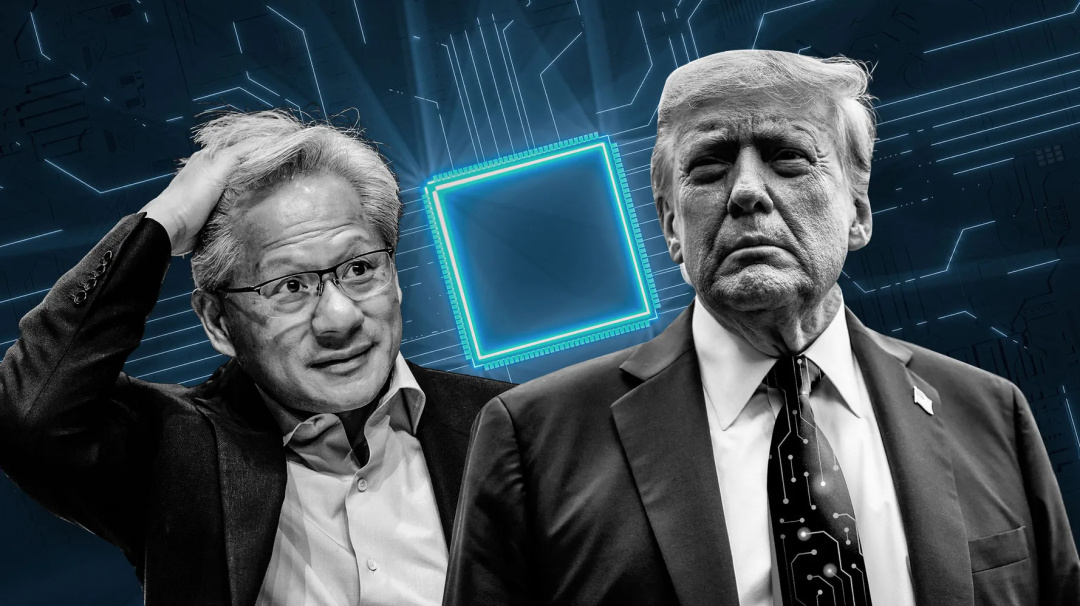
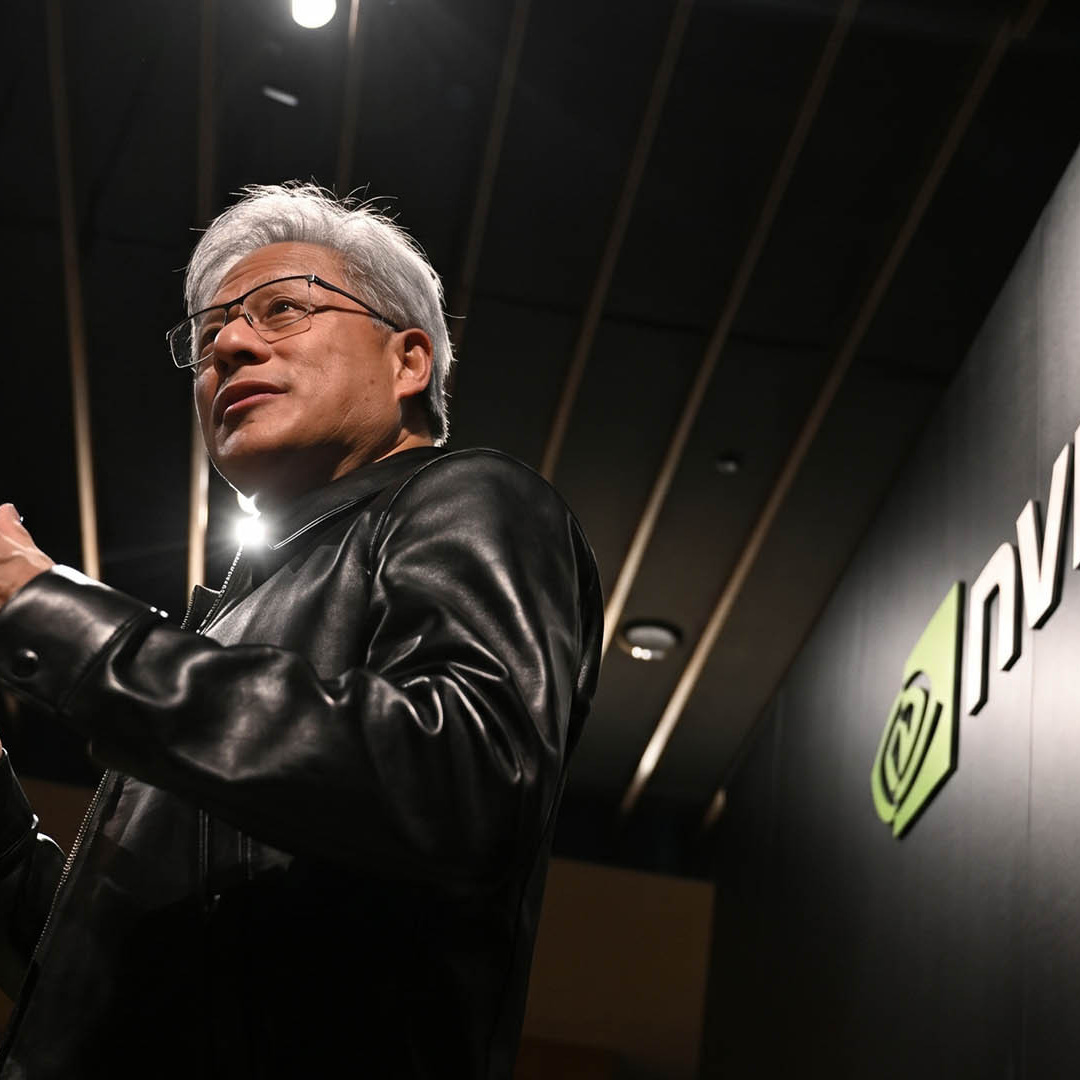
The controversy surrounding Jensen Huang, CEO of Nvidia, has ignited a firestorm of scrutiny regarding President Donald Trump’s administration and its handling of national security. Allegations have surfaced that Huang engaged in a relationship with Alice Huang, a businesswoman suspected of being a Chinese intelligence asset involved in smuggling high-tech chips into mainland China. This raises serious questions about the integrity of U.S. export controls and the potential implications for national security.
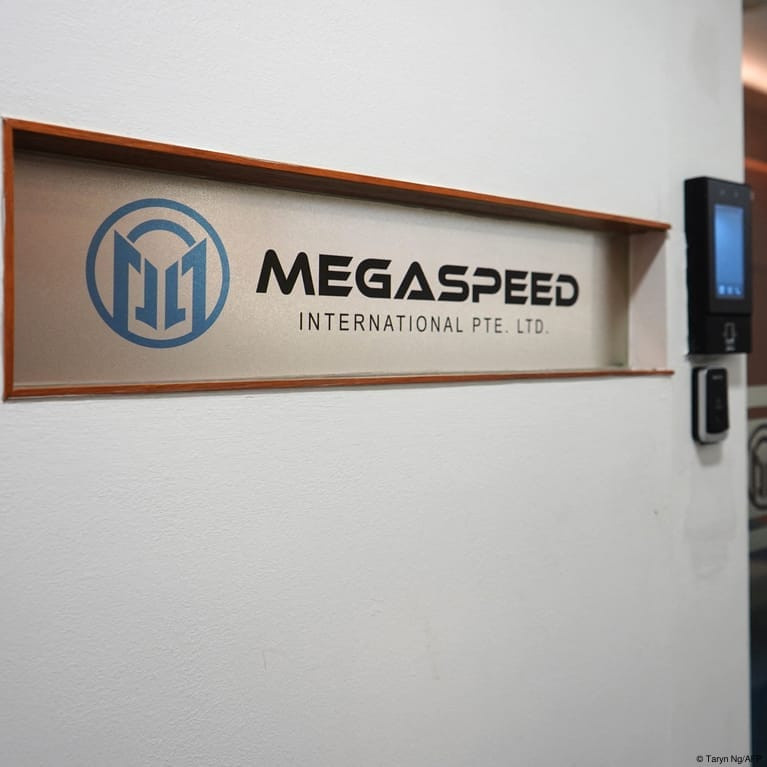
Reports indicate that Nvidia sold chips to Alice Huang's company, Megaspeed, which were subsequently moved to China, violating U.S. export laws. Despite being informed of these activities, Trump reportedly took no action to address the situation. The Commerce Department, under Secretary Howard Lutnick, not only failed to enforce export control laws but also approved Nvidia's sales to Megaspeed, further complicating the narrative of accountability.
Common Sense Shop
The United States of Common Sense
Amazon shopping links. Sponsor Complete!
The situation escalated when Jensen Huang's relationship with Alice Huang became public knowledge, leading Nvidia's board to remove him as CEO due to national security concerns. However, in a surprising turn of events, Trump intervened to have Huang reinstated, raising eyebrows about the motivations behind such a decision. This intervention appears to intertwine corporate interests with the executive branch in a manner that many conservatives would find troubling.
The implications of this affair extend beyond personal scandal; they touch on the broader issues of corporate governance and the responsibilities of those in power. Trump’s actions have been characterized as a blatant disregard for the rule of law, as he allegedly assured Nvidia’s board that Huang would not face prosecution, despite the serious allegations against him. This raises critical questions about the extent of executive power and the potential for corruption within the highest levels of government.
Corporate Interests and Government Oversight
As the narrative unfolds, it becomes increasingly clear that the Huang affair is emblematic of a larger problem within the Trump administration: the blending of corporate interests with governmental oversight. The administration's failure to investigate or enforce laws against Nvidia and its CEO suggests a troubling pattern of prioritizing corporate success over national security.
Moreover, the financial ties between Huang, Nvidia, and Trump’s administration, including significant donations to Trump's inauguration and library funds, further complicate the ethical landscape. These connections raise concerns about whether financial contributions influenced the administration's decisions regarding enforcement of export controls.
The Common Sense Test
As Congress prepares to take a closer look at these allegations, the need for transparency and accountability is paramount. The Huang affair serves as a reminder of the importance of maintaining a clear boundary between corporate interests and government oversight. The public deserves to know the truth about these allegations and how they may have impacted national security and the integrity of U.S. laws.
Ultimately, the questions surrounding the Huang affair are not just about individual actions but about the broader implications for governance and accountability in America. As the investigation continues, it will be crucial to determine how these events may shape future policies and the relationship between corporate America and the federal government. The integrity of our national security must remain a priority, and any signs of corruption or negligence must be addressed decisively to restore public trust in our institutions.