Israel's PR Efforts Struggle Amid Growing U.S. Backlash
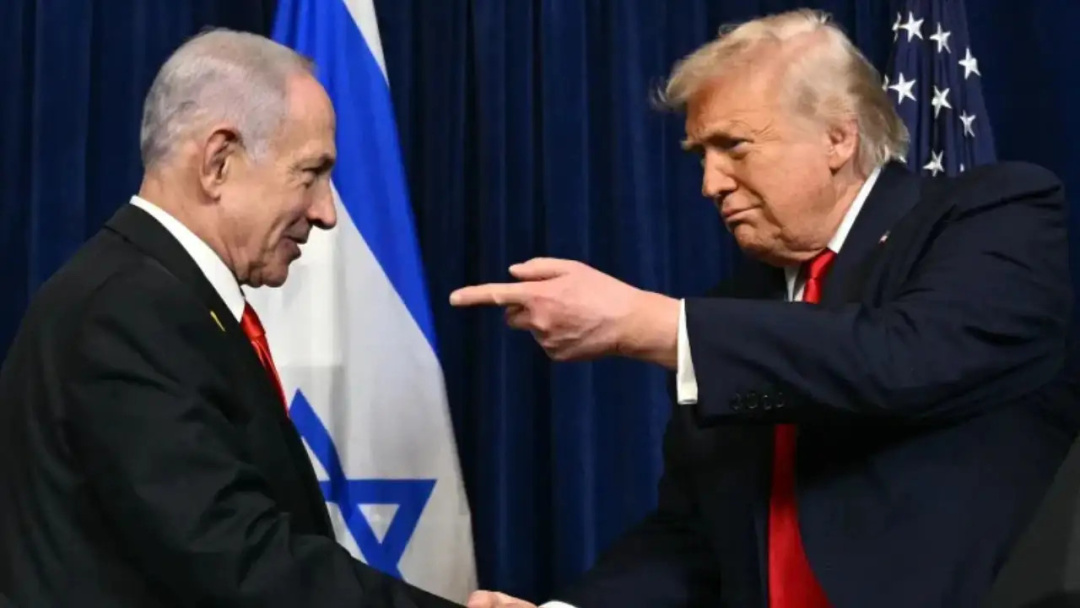
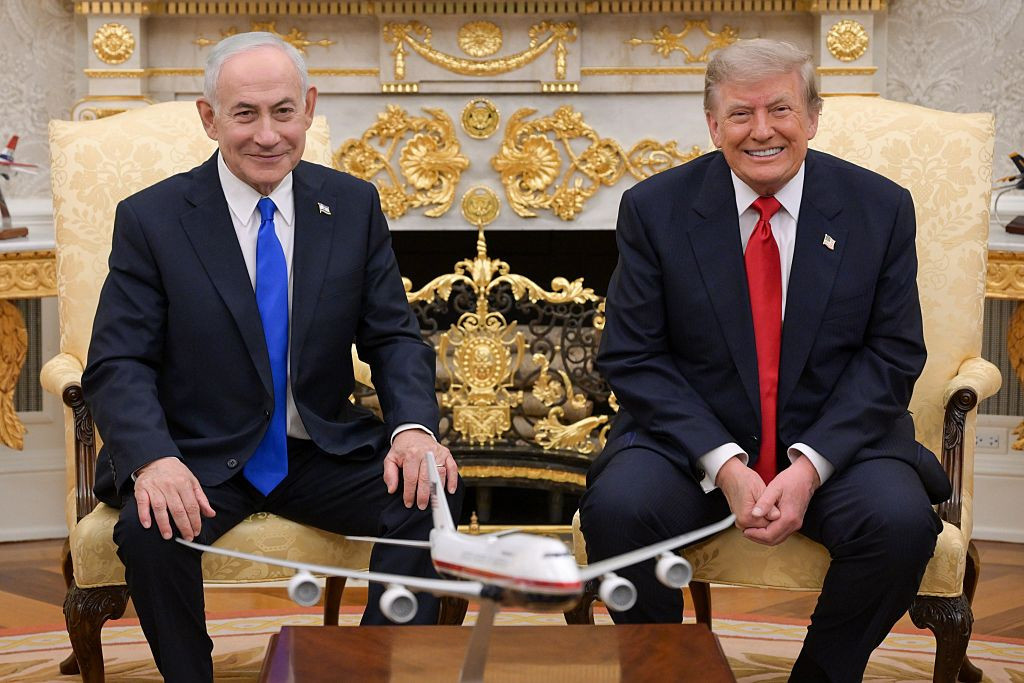
Israel is investing heavily in public relations to win over American hearts and minds, but the battle appears to be slipping away from Prime Minister Benjamin Netanyahu. With the ongoing conflict in Gaza fueling growing anger among American voters, Israel's efforts to maintain its traditional support base in the U.S. are facing serious challenges. According to a report from Al Jazeera, Israel has significantly expanded its public diplomacy campaign in the U.S., boosting its budget to $730 million as of March 2026. This campaign includes hiring American public relations firms, engaging social media influencers, and organizing visits to Israel for journalists, emerging political figures, and community leaders. However, these initiatives come at a time when American public opinion is increasingly turning against Israel, raising questions about the effectiveness of Netanyahu's influence campaign.
Recent opinion polls reveal a troubling trend: support for Israel is declining among Americans, especially younger voters who are becoming more critical of Israel's military actions in Gaza. This shift is not confined to the Democratic Party or pro-Palestinian groups; it is also evident within traditionally pro-Israel constituencies, including segments of the Republican Party. This erosion of support raises concerns in Israel about the long-standing relationship it has enjoyed with Washington.
Common Sense Shop
The United States of Common Sense
Amazon shopping links. Sponsor Complete!
What is driving this shift in American public opinion? The prolonged conflict in Gaza, the mounting civilian casualties, and the widespread images of destruction have significantly shaped perceptions of Israel. The backlash extends beyond Gaza, as the U.S.-Israel military campaign against Iran adds to the criticism among Americans who are questioning Washington's growing involvement in Middle Eastern conflicts and the costs associated with supporting Israel.
Declining public approval does not immediately translate into a shift in U.S. policy or military assistance. However, sustained opposition among American voters could eventually pressure lawmakers and future administrations to rethink their approach toward Israel. For Netanyahu, the challenge now goes beyond countering criticism of Israel's military campaign; it strikes at the very foundations of a relationship that has traditionally enjoyed bipartisan support in Washington. The battle for what Netanyahu has termed the "eighth front"—the fight for public opinion—is increasingly exposing the limits of Israel's influence over American sentiment.
The Impact of Changing Opinions
The growing discontent among American voters, particularly younger Republicans and segments of the MAGA movement, indicates a significant shift in the political landscape. Critics argue that U.S. foreign policy is increasingly being shaped by Israeli interests, raising questions about the implications of such alignment for American taxpayers. Concerns over military spending, fuel prices, and the costs of overseas conflicts have added fuel to the debate over continued American support for Netanyahu's government.
As Israel grapples with these challenges, it must reassess its strategies for engaging with American public opinion. The traditional narrative of unwavering U.S. support for Israel is being tested, and the implications for both countries could be profound. The future of U.S.-Israel relations may depend on how effectively Israel can adapt to this changing landscape and address the concerns of American voters who are becoming more critical of its policies.
The Common Sense Test
In conclusion, while Israel's increased public relations efforts reflect a recognition of the need to engage with American voters, the effectiveness of these strategies remains uncertain. The backlash against Israel's military actions in Gaza is not just a passing trend; it represents a significant shift in public sentiment that could have lasting implications for U.S.-Israel relations. As the situation evolves, both Israel and American policymakers must navigate this complex landscape with an eye toward fostering a relationship that reflects the values and concerns of the American people.