Supreme Court to Hear Landmark Religious Liberty Case from Kentucky
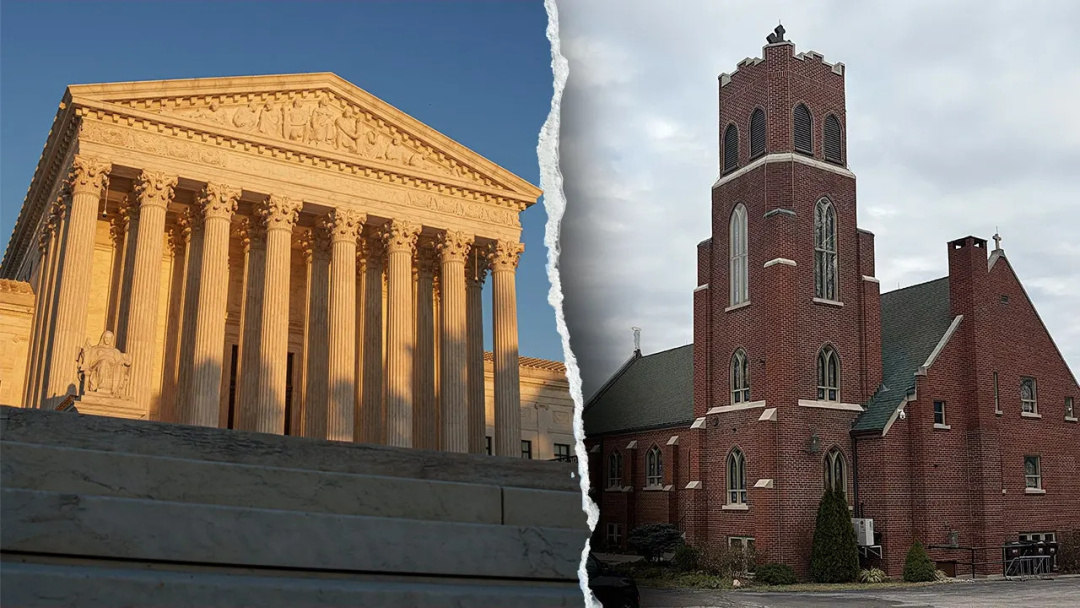
A legal dispute surrounding a proposed shrine to the Virgin Mary in Kentucky has escalated to the U.S. Supreme Court, potentially setting a significant precedent for religious land-use protections nationwide. The Missionaries of St. John the Baptist sought to build a modest 600-square-foot prayer grotto on their property in Park Hills, but their plans faced opposition from two neighboring property owners, Joel and Elizabeth Frederic. This conflict has drawn the attention of an 18-state coalition of attorneys general, led by Kentucky Attorney General Russell Coleman, who argue that the Supreme Court should reverse a lower court ruling that blocked the construction despite initial approval from local zoning officials.
The case centers on the Religious Land Use and Institutionalized Persons Act (RLUIPA), which protects religious institutions from burdensome zoning laws. Coleman expressed his commitment to defending the religious liberties of the Missionaries, stating, "This fundamental American freedom cannot be brushed away simply by a heckler’s veto, and I’m confident the justices will agree." The Supreme Court's consideration of whether blocking a religious structure constitutes a "substantial burden" on religious exercise could have profound implications for religious organizations across the country.
Common Sense Shop
The United States of Common Sense
Amazon shopping links. Sponsor Complete!
The controversy began in 2021 when the Missionaries applied for permission to construct the grotto, which would include a shrine, plaza, walking path, and retaining wall, providing a serene space for prayer and meditation. The church itself has been a fixture in Park Hills for nearly a century, predating the city's zoning ordinance adopted in 1974. Despite the Board of Adjustment's approval in April 2021, the Frederics challenged this decision, arguing that the construction violated local zoning requirements. The trial court initially sided with the city, but the Kentucky Court of Appeals later reversed this decision, ruling that the zoning board had overstepped its authority.
In December 2025, the Kentucky Supreme Court upheld the rejection of the Missionaries' claim under RLUIPA, prompting Coleman to lead a 20-state effort urging the U.S. Supreme Court to take up the case. The justices agreed to hear the matter, with oral arguments scheduled for January 20, 2027. Ryan Gardner, senior counsel at First Liberty Institute, which represents the Missionaries, emphasized the broader implications of the case, stating, "This is a massive case for religious liberty because it has the potential to impact every single zoning law in this country."
Religious Liberty and Property Rights at Stake
Gardner highlighted the modest size of the proposed grotto, comparing it to a swimming pool, and underscored the critical intersection of religious liberty and property rights that RLUIPA aims to protect. He noted that Congress enacted this law in 2000 to shield religious institutions from burdens imposed by zoning regulations. The Missionaries contend that preventing them from building the grotto substantially burdens their religious exercise, while the Frederics argue that the religious organization has not demonstrated the unavailability of alternative locations for the shrine.
The Common Sense Test
As the Supreme Court prepares to deliberate on this landmark case, the outcome could reshape the landscape of religious liberty and property rights in America. The implications of this legal battle extend beyond the specific case at hand, raising fundamental questions about the rights of religious organizations and the limits of local zoning laws in the face of religious expression.
What began as a proposal for a quiet place to pray has transformed into a national debate over religious liberty and the extent to which neighbors can challenge religious construction on private property. As the Supreme Court considers the substantial burden question, the stakes for religious institutions and their ability to operate freely in accordance with their beliefs have never been higher. The outcome will not only affect the Missionaries of St. John the Baptist but could also set a precedent for religious land-use cases nationwide, reinforcing the importance of protecting religious expression against local bureaucratic hurdles.