Evaluating the U.S.-Israel Alliance Amid Eroding Support
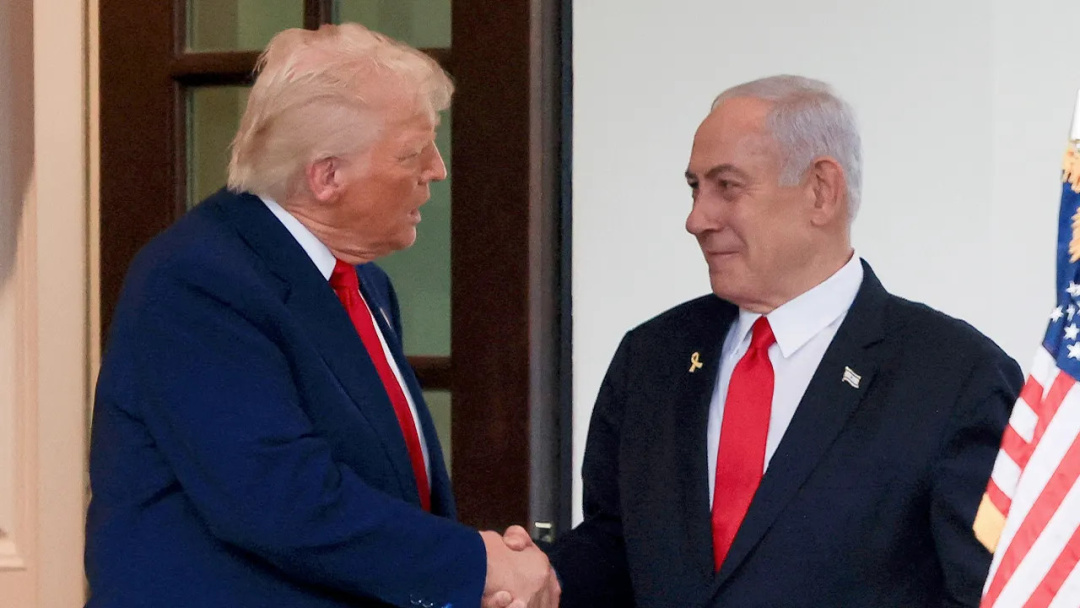
The recent report from Advancing American Freedom (AAF) and the Zionist Organization of America (ZOA) sheds light on the U.S.-Israel alliance, which has faced scrutiny as support wanes among both Republicans and Democrats. The report argues that Israel serves as a crucial strategic asset for the United States, often referred to as "the largest U.S. aircraft carrier" in the Middle East. This characterization underscores Israel's military capabilities and its role in regional stability, especially in the face of threats from Iran.
Historically, the alliance has been tested during conflicts, particularly when the U.S. and Israel found common ground against Iranian aggression. However, this partnership has raised critical questions about what the U.S. gains from its support of Israel and what it is expected to provide in return. The report highlights various forms of cooperation, including intelligence sharing and joint military development, which are seen as significant returns on the U.S. investment in Israel.
Common Sense Shop
The United States of Common Sense
Amazon shopping links. Sponsor Complete!
One of the most notable aspects of this relationship is the collaboration on missile defense systems. The U.S. and Israel have jointly developed systems like David’s Sling and Arrow, with American companies involved in manufacturing components. According to the Congressional Research Service, over 100 companies across 34 states participate in missile-defense co-production, signifying a deep economic and strategic integration. Recently, a facility in Arkansas delivered the first Iron Dome Tamir interceptor built entirely in the U.S., showcasing the tangible benefits of this partnership.
However, the ongoing conflict with Iran has also resulted in the U.S. expending significant quantities of interceptors, which raises concerns about the sustainability of American military readiness. The Congressional Budget Office (CBO) has estimated that the U.S. has likely used between half and two-thirds of its inventory of key interceptors since mid-2025, highlighting the strain on U.S. military resources.
Shifts in U.S.-Israel Financial Support
As the political landscape shifts, the financial relationship between the U.S. and Israel is also under scrutiny. Currently, the U.S. provides Israel with $3.3 billion annually in Foreign Military Financing and an additional $500 million for missile-defense programs. Critics argue that this aid may not yield sufficient returns, especially as public opinion increasingly favors reevaluating the terms of military support. A recent survey indicated that 56% of Americans support reducing or ending military aid to Israel, reflecting a growing skepticism about the alliance's benefits.
The Common Sense Test
The debate over U.S. aid to Israel is becoming more politically charged, with figures like former President Donald Trump suggesting a reevaluation of direct military assistance. Meanwhile, Israeli Prime Minister Benjamin Netanyahu has also indicated a desire to phase out U.S. financial support over time. As both nations negotiate the terms of their future relationship, the focus may shift from direct grants to enhanced joint defense projects and weapons production.
Ultimately, the U.S.-Israel alliance remains a complex and multifaceted relationship that demands careful consideration. While the military and intelligence cooperation offers significant advantages, the costs associated with this partnership must be weighed against the evolving political landscape and public sentiment. As discussions continue about the future of U.S. aid and military collaboration, the question remains: how will these changes impact American security and the strategic balance in the Middle East?