Congressman Krishnamoorthi Decries Nvidia's Reinstatement of Jensen Huang
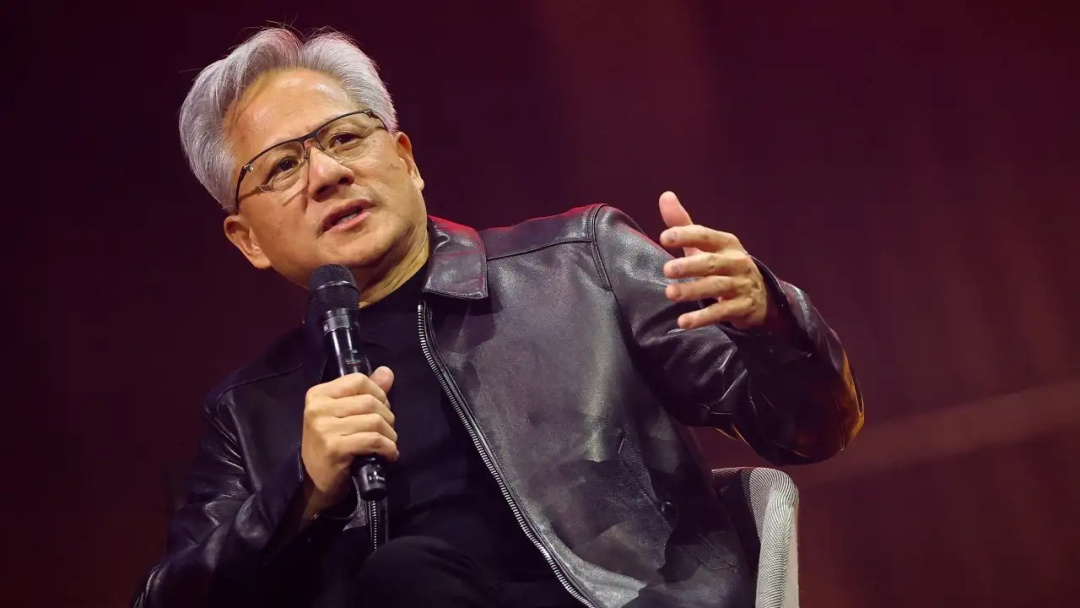
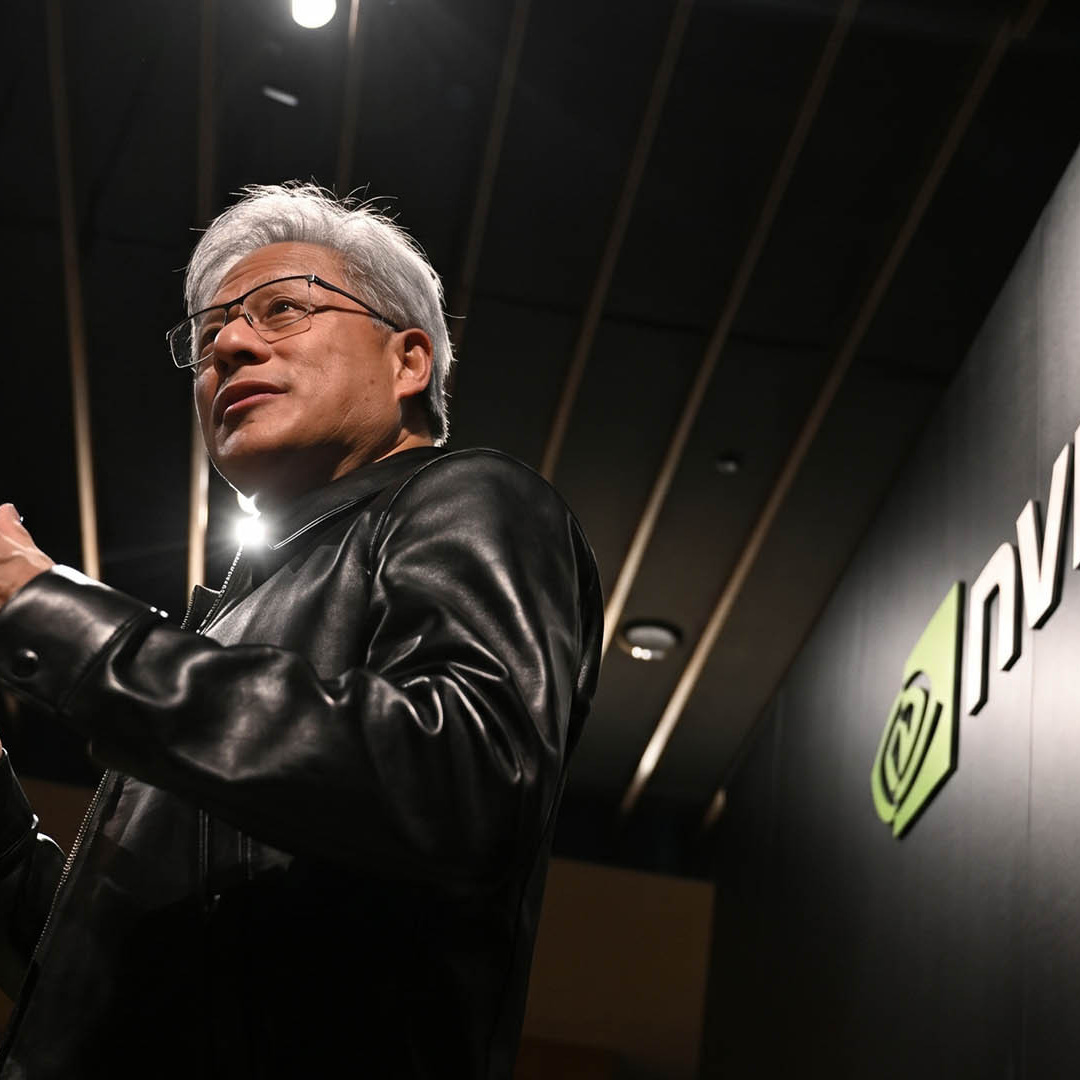
U.S. Congressman Raja Krishnamoorthi has publicly condemned Nvidia's decision to reinstate Jensen Huang as its chief executive officer, labeling the move as "outrageous." His criticism stems from unresolved concerns regarding Huang's possible connections to Chinese intelligence, prompting calls for a comprehensive congressional hearing. Krishnamoorthi emphasized that the investigations into the matter remain incomplete, and he questions whether Nvidia and the U.S. government have sufficiently addressed the implications of Huang's reinstatement.
In a statement on social media, Krishnamoorthi expressed his discontent with Nvidia's announcement, which came after the company's board unanimously voted to reinstate Huang. The congressman pointed out that the board made this decision before fully understanding what information, if any, may have been compromised to Chinese intelligence through Huang. He stated, "Nvidia’s decision to reinstate Jensen Huang is outrageous. We still don’t know what information Chinese intelligence may have obtained from him, and neither the government nor Nvidia’s own board has completed its investigation."
Common Sense Shop
The United States of Common Sense
Amazon shopping links. Sponsor Complete!
Krishnamoorthi's concerns are further amplified by the context of Nvidia's significant financial contributions to political causes. He specifically referenced a reported $25 million donation to a planned White House ballroom, questioning the integrity of assurances made by President Donald Trump regarding the situation. "Trump’s assurances cannot be taken at face value, especially after Nvidia’s $25 million donation to his ballroom," Krishnamoorthi remarked.
Nvidia's Board Stands by Leadership Decision
Nvidia's board defended its decision, asserting that they had engaged in extensive discussions with Huang and were confident in his leadership capabilities. The board also stated that they had consulted with senior U.S. government officials and concluded that Huang's return would not pose a national security risk. However, the company has confirmed that an independent investigation into allegations of foreign intelligence targeting Huang will continue, overseen by a committee of independent directors and external legal counsel.
The Common Sense Test
As the debate unfolds, the implications of Huang's reinstatement raise important questions about corporate governance and national security. The potential risks associated with foreign influence in American companies, especially in the tech sector, cannot be overlooked. Krishnamoorthi's insistence on a congressional hearing reflects a broader concern about accountability and transparency in corporate decision-making, particularly when national security is at stake.
The ongoing scrutiny of Nvidia's actions underscores the necessity for rigorous oversight in situations where corporate interests intersect with national security. As technology companies increasingly play pivotal roles in the global economy, the potential for conflicts of interest and foreign influence grows. Krishnamoorthi's push for a public hearing is not merely a political maneuver; it is a call for clarity and accountability in a realm where the stakes are extraordinarily high. The question remains: how will Nvidia and the government address these pressing concerns, and what measures will be put in place to ensure that such situations do not compromise national interests in the future?