John Yoo Leaves UC Berkeley for UT Austin, Citing Ideological Intolerance
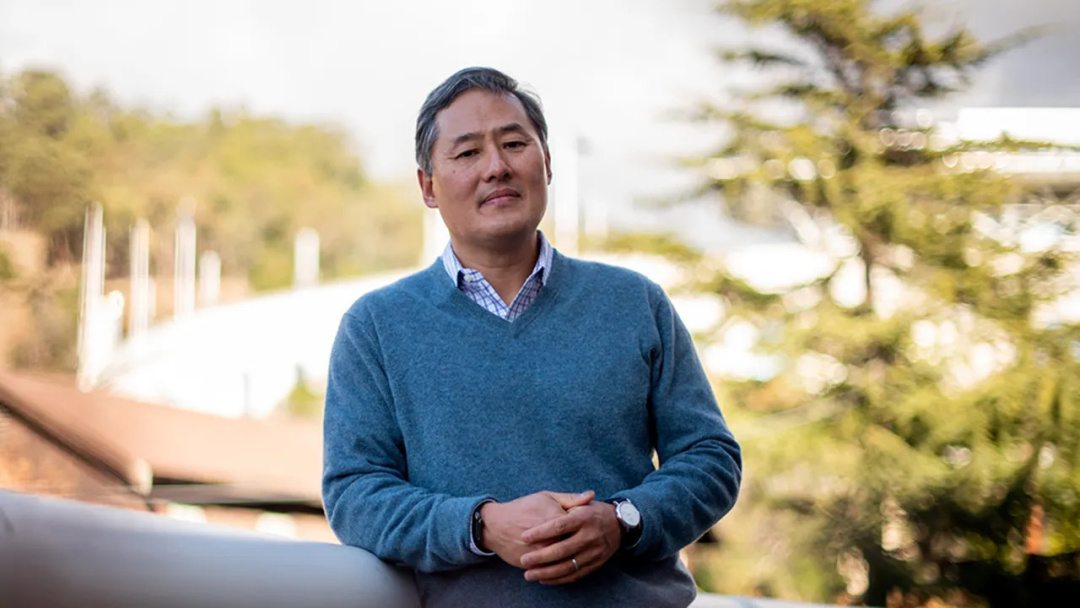
John Yoo, a longtime law professor at the University of California, Berkeley, has announced his departure for the University of Texas at Austin, a move he attributes to increasing ideological intolerance and deteriorating academic standards at his current institution. After more than three decades at Berkeley, where he also served in the Justice Department under President George W. Bush, Yoo expressed his concerns about the university's shift in priorities.
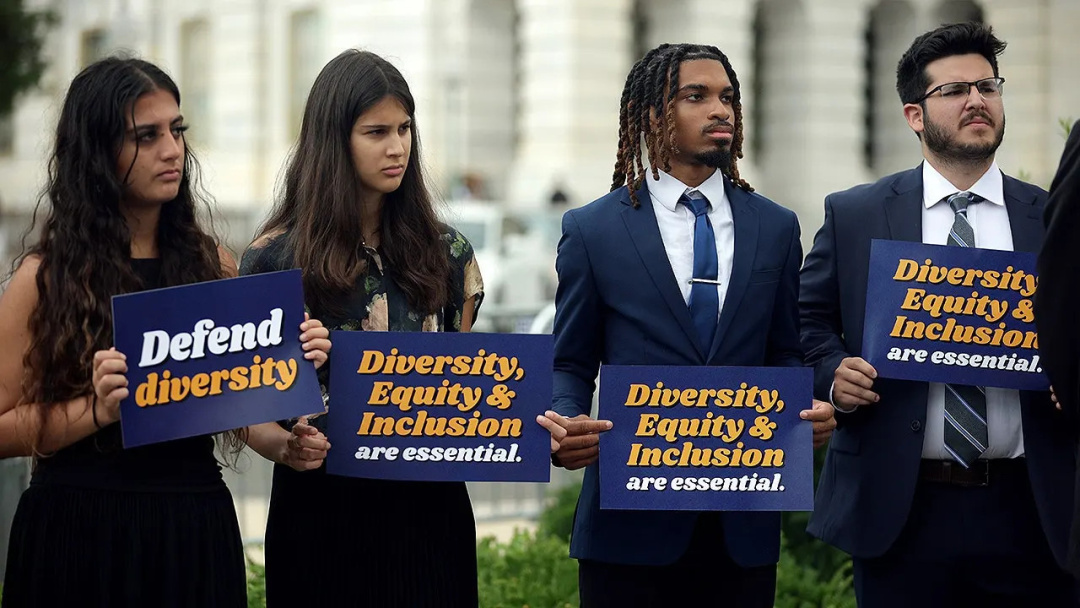
In an interview, Yoo stated, "I've taught at Berkeley for more than 30 years, with some time off here and there for government service. What I've noticed and what's bothered me is a rise of intolerance, a lack of respect for freedom of speech and thought, and a desire to place what I think of as diversity, equity, and inclusion objectives above the pursuit of intellectual and academic excellence."
Common Sense Shop
The United States of Common Sense
Amazon shopping links. Sponsor Complete!
Yoo elaborated on his decision in a piece for the New York Post, claiming that UC Berkeley has transformed from a vibrant center of higher learning into an institution that is comfortable in its liberal monoculture. He criticized the university for repeatedly rejecting qualified conservative scholars, highlighting a systemic bias that he believes undermines the academic rigor.
His new role at the School of Civic Leadership at UT Austin, established in 2023 with support from conservative lawmakers and donors, aims to counteract traditional campus ideologies by focusing on classical civics and intellectual diversity. This move is seen as a response to the growing unrest and ideological homogeneity that has characterized many universities across the nation.
Yoo's concerns are underscored by recent events at Berkeley, particularly the anti-Israel protests that erupted following the October 7, 2023, Hamas attacks. He noted that these protests have highlighted a troubling rise in antisemitism on campuses, which he attributes to the intolerance that has been festering for years, rooted in what he describes as a cultural Marxism pervading higher education.
Federal Response to Campus Antisemitism
The issue of antisemitism has drawn federal scrutiny, with lawmakers examining safety and civil rights for Jewish students at universities like Berkeley and Columbia. In 2025, the Trump administration froze significant federal funding for several institutions, including $400 million at Columbia, due to their failure to adequately address campus antisemitism.
Yoo has previously urged UC Berkeley administrators to hire more conservative faculty to restore ideological balance, but his proposals have not gained traction. He remarked, "I've never had the illusion that Berkeley was ever going to have a majority of conservatives teaching in any subject. But I don't think it would hurt to have two rather than one either, although I think I have colleagues who think that would be an unfair balance against them."
Throughout his career, Yoo has been an outspoken critic of race-based and gender-based admissions and hiring policies, arguing that these practices detract from the merit-based selection of the best-qualified candidates. He believes that the focus on diversity often overshadows the need for academic excellence.
The Common Sense Test
A spokesperson for UC Berkeley acknowledged Yoo's contributions to the faculty, stating, "John Yoo has been an important part of the Berkeley Law faculty for many years. The decision to retire was entirely his own. He will be missed at Berkeley Law, and we wish him much happiness in his retirement." The spokesperson also emphasized the university's commitment to freedom of expression and academic inquiry, asserting that Berkeley Law remains dedicated to intellectual diversity and merit-based hiring.
As Yoo transitions to his new role in Texas, the implications of his departure resonate beyond his individual experience. It raises critical questions about the state of academic freedom and the ideological battles within higher education. With increasing scrutiny on how universities handle dissenting viewpoints and the growing call for accountability in campus policies, Yoo's move could signify a broader shift in the landscape of American academia. Will other scholars follow suit, seeking environments that prioritize intellectual diversity over ideological conformity? The answer may well shape the future of higher education in the United States.