U.S. Unveils New Tariffs Targeting China and Other Trade Partners
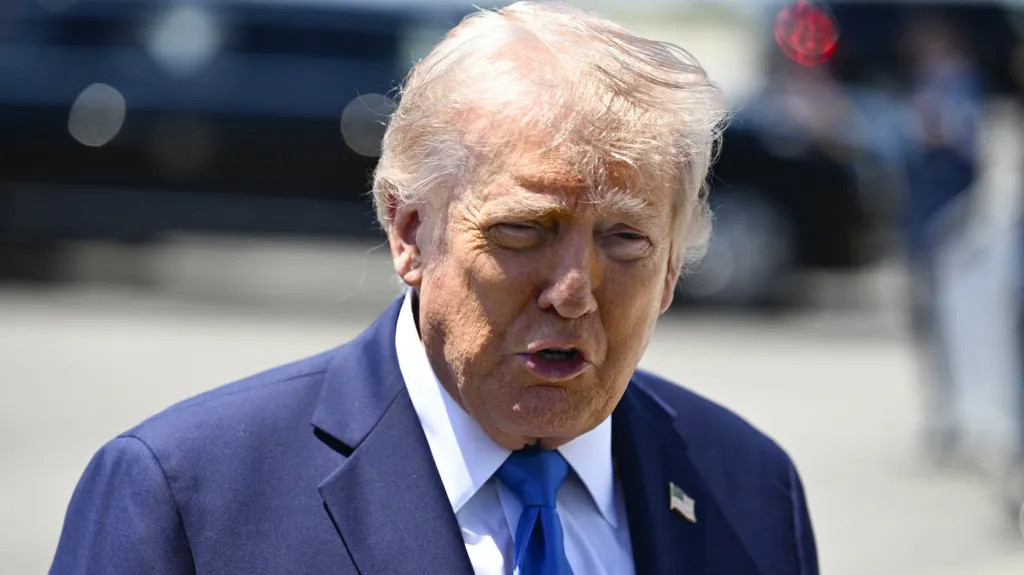
The United States has recently unveiled a new round of import tariffs aimed at several countries, continuing President Donald Trump's signature trade policy. This announcement comes in the wake of a Supreme Court ruling that deemed previous tariffs illegal, prompting the White House to reassess its approach to international trade.
The proposed tariffs will significantly impact imports from some of America’s largest trading partners, including China, which faces the highest proposed tariff rate of up to 40%. Following China, Vietnam could see tariffs as high as 35%, while other countries such as Japan, South Korea, and Taiwan may face duties ranging from 20% to 25%. This broad spectrum of tariffs underscores the administration's commitment to addressing perceived trade imbalances.
Common Sense Shop
The United States of Common Sense
Amazon shopping links. Sponsor Complete!
In March, the Office of the United States Trade Representative (USTR) initiated investigations into the trade practices of various nations, a move that aligns with the administration's strategy to protect American commerce. The USTR has released detailed reports outlining how the trade practices of each targeted economy allegedly affect U.S. businesses, reinforcing the rationale behind the proposed tariffs.
Implementation Timeline for New Tariffs
However, these tariffs are not expected to take effect until next year, as they must first undergo several rounds of public consultation and may also be subject to formal hearings. Importing businesses will be responsible for paying these duties, which are calculated as a percentage of the goods' value. The effective rates could be lower in some cases due to ceilings established by the Trump administration, and the specific duties will vary based on the country's trade arrangements with the United States.
The Common Sense Test
The proposed measures encompass imports from a total of 14 countries, including the European Union, Singapore, Switzerland, Indonesia, Malaysia, Cambodia, Thailand, South Korea, Vietnam, Taiwan, Bangladesh, Japan, and India. USTR representative Jamieson Greer defended the tariffs, asserting that they would "level the playing field for American workers and chart a new, more sustainable course for the world economy."
As these developments unfold, the implications for American consumers and businesses remain to be seen. The administration's approach to tariffs reflects a broader strategy to reshape international trade dynamics, but the effectiveness and consequences of these tariffs will ultimately depend on the responses from affected countries and the outcomes of ongoing negotiations.