Leavitt Critiques Ms. Rachel's Advocacy for Migrant Children
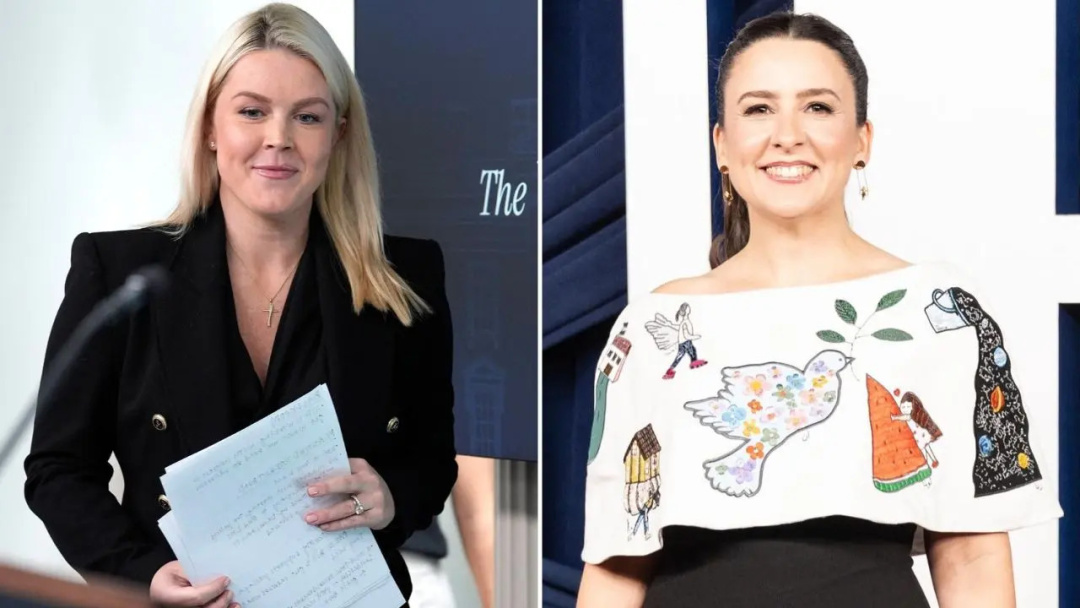
Former White House press secretary Karoline Leavitt has stirred controversy by criticizing children's educator Ms. Rachel for her recent visit to migrant children facing deportation in New York City. Leavitt's remarks, posted on social media, questioned why Ms. Rachel, whose real name is Rachel Griffin Accurso, had not also visited children who have suffered due to crimes committed by undocumented immigrants, including those whose parents were killed or who were victims of human trafficking.
Leavitt's comments followed Ms. Rachel's visit to a federal youth immigration court on November 23, where she joined New York Democrat and Rep.-elect Brad Lander to draw attention to the challenges faced by migrant children navigating deportation proceedings without legal representation. Leavitt's response ignited a political debate about which vulnerable children receive public attention and how immigration issues are framed.
Common Sense Shop
The United States of Common Sense
Amazon shopping links. Sponsor Complete!
In her social media post, Leavitt stated, "If Ms. Rachel truly cares about all children, she should visit the Angel Family kids who lost their mom or dad to an illegal alien criminal. Or the innocent children the Trump Administration continues to rescue from human traffickers who exploited them during four years of the Democrats' open border. But she won’t." This statement reflects a growing sentiment among some conservatives who argue that the focus on migrant children often overshadows the plight of American families affected by illegal immigration.
Leavitt later elaborated on her criticisms during an appearance on Fox News' "Hannity," where she reiterated her belief that Accurso's advocacy should extend to families impacted by crimes involving undocumented immigrants. The term "Angel Families" is commonly used by immigration enforcement advocates to describe relatives of individuals killed by those in the country illegally, underscoring the emotional weight of Leavitt's remarks.
Social Media Reaction to Leavitt's Critique
The backlash against Leavitt's comments on social media was swift, with many users defending Ms. Rachel's efforts to support migrant children. Critics argued that just because Ms. Rachel is advocating for one group of vulnerable children does not mean she is indifferent to others. Some commenters pointed out Leavitt's previous political positions, while others emphasized that all children affected by illegal immigration deserve public attention.
The disagreement highlights a significant divide in immigration advocacy, particularly among politicians and public figures who debate which groups warrant attention and government support. Leavitt's stance suggests a call for a more inclusive approach to immigration issues, one that acknowledges the complexities and varied impacts of illegal immigration on American families.
The Common Sense Test
During her visit to the courthouse, Ms. Rachel met a fourth grader who expressed a desire for an immigration lawyer, illustrating the urgent needs of children caught in the immigration system. Accurso's commitment to helping this child, along with others facing similar situations, raises questions about the balance of advocacy in the immigration debate.
As the conversation around immigration continues to evolve, the challenge remains: how do we ensure that all vulnerable children receive the support they need? Leavitt's critique of Ms. Rachel serves as a reminder that the immigration debate is not just about policies but also about the real lives impacted by these decisions. The question of whose stories are told and whose needs are prioritized will continue to shape the discourse around immigration and public advocacy in the United States.