Indian Exporters Prepare for US Tariff Uncertainty
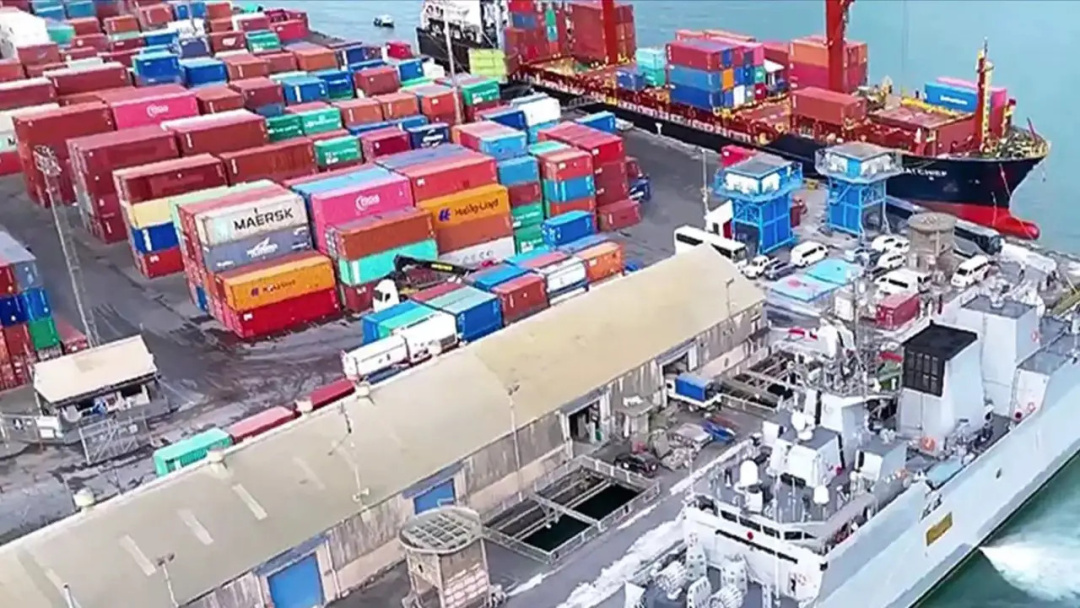
Indian exporters are navigating a complex landscape as they prepare for potential tariffs from the United States. With the proposed 25% tariffs for structural excess capacity looming, many exporters are cautiously optimistic about the ongoing negotiations for a bilateral trade deal that could mitigate the impact to 17%. As Israr Ahmed, director at Farida Group, one of India's largest footwear exporters, noted, there will be a period of uncertainty as they finalize orders for the upcoming winter season. However, the summer shipments are expected to be less affected since goods would likely reach US shores by February.
The Federation of Indian Export Organisations (FIEO) has expressed confidence that the Indian government will advocate strongly for the country's exporters in these negotiations. FIEO's Director General, Ajay Sahai, emphasized the importance of constructive engagement during this consultation period, highlighting that the exporting community is adapting to these developments. Despite the challenges posed by the proposed tariffs, exporters believe they are in a better position compared to competitors from Bangladesh, Indonesia, and Vietnam, who may face even higher tariffs.
Common Sense Shop
The United States of Common Sense
Amazon shopping links. Sponsor Complete!
Mithileshwar Thakur, secretary general of the Apparel Export Promotion Council (AEPC), echoed this sentiment, urging exporters not to panic. He pointed out that while the increase in tariffs is concerning, India's negotiating position could lead to a more favorable outcome than that of other manufacturing countries. The potential reduction in tariffs to 17% would place India in a competitive position, particularly as the country strives to avoid being singled out for higher penalties.
As the deadline for the new tariffs approaches, many exporters are rushing to ship their consignments to avoid the impending costs. This urgency is compounded by the ongoing disruptions in global logistics, which have made securing shipping resources more challenging. Industry veterans have noted that while the duties will not take effect until mid-February, exporters are proactively diverting production from other markets to ensure their summer shipments remain unaffected.
Navigating Tariff Challenges Ahead
The response from the exporting community indicates a robust adaptability to the evolving trade landscape. Exporters are keenly aware of the potential impacts of US tariff policies on their operations and are taking steps to mitigate risks. By prioritizing timely shipments and adjusting their production strategies, they aim to maintain their market presence despite the uncertainties that lie ahead. The upcoming months will be critical as they finalize orders and navigate the complexities of international trade agreements.
The Common Sense Test
In conclusion, the situation underscores the importance of effective government negotiation in protecting the interests of Indian exporters. The balance between competitive pricing and maintaining quality will be essential as they face these tariff challenges. While the proposed tariffs are a concern, the proactive measures being taken by exporters reflect a commitment to sustaining their businesses in an increasingly competitive global market. The ultimate outcome of the trade negotiations will play a significant role in shaping the future of Indian exports and their ability to thrive in the face of adversity.