Bipartisan Energy Bill Sparks Debate Over Climate Impact
In the wake of the Democrats' recent midterm success, Congress is gearing up to tackle a significant piece of legislation: the Bipartisan American Affordability and Jobs Act (BAAJA). This permitting reform bill has garnered unusual bipartisan support, with implications that could shift the U.S. energy landscape significantly, impacting both household utility bills and climate objectives.
BAAJA, which has already passed the Senate, aims to simplify the complex and often lengthy permitting process that energy projects must navigate before connecting to the electricity grid. Currently, obtaining the necessary approvals can take years, involving multiple government agencies and often facing legal challenges that halt progress. The nearly 500-page bill seeks to expedite environmental reviews, streamline the construction of power transmission lines, and make it more difficult to revoke permits once granted.
Common Sense Shop
The United States of Common Sense
Amazon shopping links. Sponsor Complete!
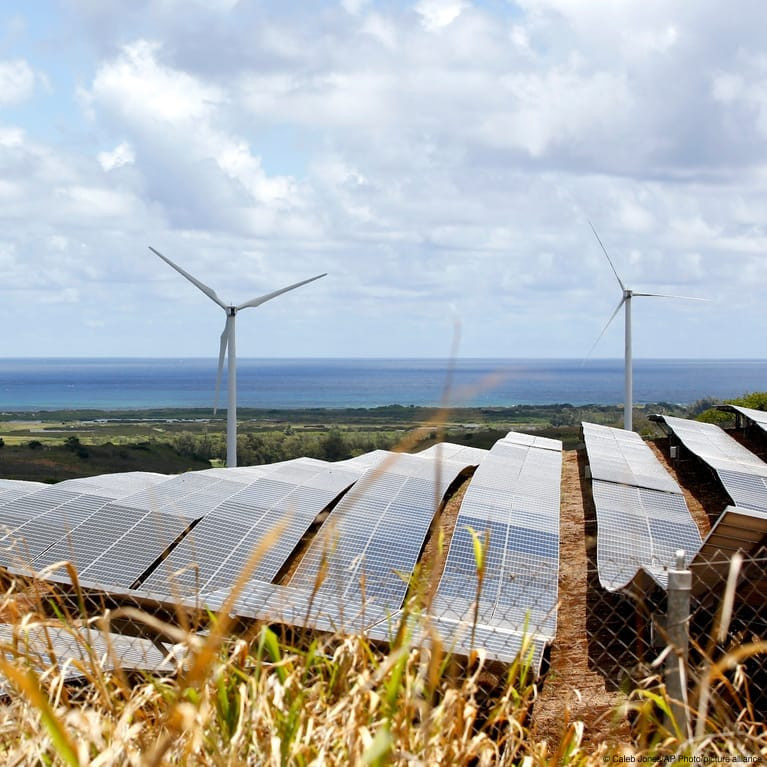
The bill is designed to be technology-neutral, meaning it could facilitate the rapid development of both renewable energy infrastructure and fossil fuel projects. This dual potential has made BAAJA a contentious topic, with some Democrats arguing that permitting reform is essential for lowering energy costs, while others express concern that it primarily benefits fossil fuel interests.
Independent analyses have produced conflicting predictions regarding the bill's impact on greenhouse gas emissions. The Rhodium Group estimates that BAAJA could reduce emissions by up to 4% by 2040, while Purdue University's Kevin Kircher suggests that emissions might actually rise by about 2%, largely due to increased fossil fuel production spurred by the bill. The crux of the debate centers on which type of energy the bill will ultimately accelerate: renewables or fossil fuels.
Economic Implications of Energy Legislation
The White House Council of Economic Advisers projects that the legislation could lower average household electricity bills by $178 to $251 annually. This estimate hinges on the assumption that faster permitting will encourage infrastructure investment, thereby reducing costs. However, this figure only accounts for one aspect of the bill and does not clarify when these savings might materialize.
Critics of the bill caution that while it may slow the rise in electricity prices, it does not necessarily reverse the trend. Advocacy groups like Oil Change International warn that households could still face higher energy costs, especially if the bill mainly expedites gas projects, which are expected to drive prices up in the coming years. Major environmental organizations, including the Sierra Club and the Natural Resources Defense Council, have voiced strong opposition to the bill, citing concerns over its potential to weaken environmental protections and limit legal recourse against harmful projects.
The Common Sense Test
The bill's provisions that make it harder to revoke federal permits have drawn particular ire. Critics argue that this could prevent future administrations from addressing potentially flawed decisions made by their predecessors, whether those decisions pertain to fossil fuel extraction or renewable energy projects. Proponents, however, argue that the bill's overhaul of transmission line planning and approval processes is a necessary step toward integrating renewable energy sources into the grid more effectively.
As the House prepares to vote on BAAJA, the future of this legislation remains uncertain. Some lawmakers advocate for waiting until Democrats regain control to push through a more environmentally focused version of the bill, a strategy fraught with risks. Ultimately, the outcome of this legislative battle will significantly influence the direction of U.S. energy policy and its broader implications for climate action.