Trump's $5,000 Pledge: A Modern Twist on Political Bribery?
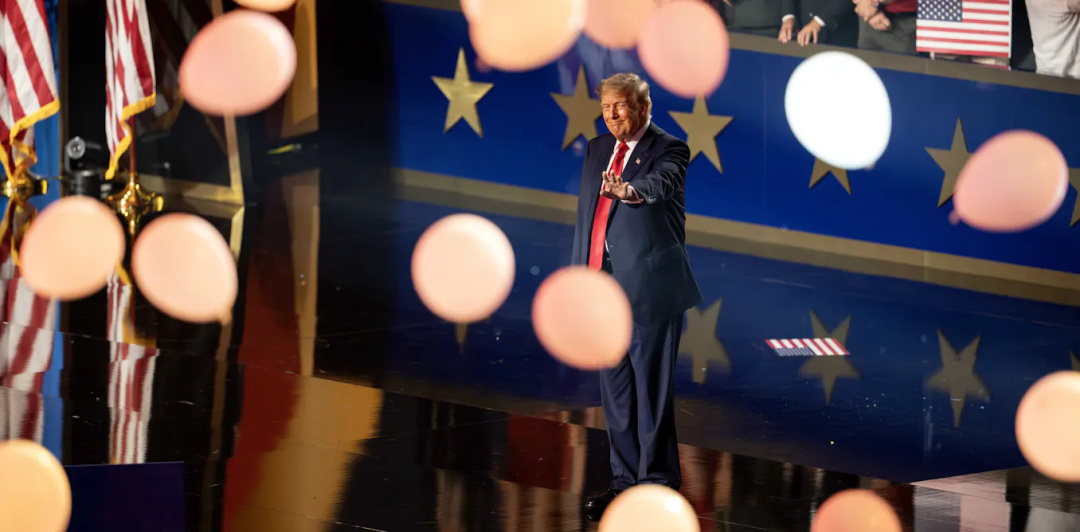
This week, Donald Trump made a bold offer to American voters: if his Republican Party wins the midterm elections, every adult citizen will receive a $5,000 "Trump Dividend." This proposal comes at a time when Republican poll numbers are faltering, and Trump appears to be banking on cash incentives to sway voters. However, this move has ignited accusations of bribery, raising a complex debate about the nature of political promises.
On one hand, it is not uncommon for candidates to propose tax cuts or spending increases that could financially benefit voters. Trump's dividend is presented as a universal payout, not limited to his supporters. Yet, the rhetoric surrounding this promise suggests a quid pro quo, where the payout is framed as a reward for voting in favor of the Republican Party, rather than a policy tied to specific goals.
Common Sense Shop
The United States of Common Sense
Amazon shopping links. Sponsor Complete!
Critics argue that the lack of a concrete plan for funding this initiative, coupled with the absence of legal authority to implement such a payout without Congressional approval, lends credence to the bribery allegations. Historically, bribery has deep roots in American politics, often manifesting in more overt forms. In colonial times, candidates would host gatherings that devolved into drunken festivities, with George Washington famously providing vast quantities of alcohol to voters in his 1758 campaign.
The practice of vote-buying was rampant in the past, with public voting systems making it easy for candidates to ensure a return on their investment. Investigations in the early 20th century revealed widespread corruption, such as in Adams County, Ohio, where some voters sold their votes multiple times in the same election.
The introduction of the secret ballot in the 19th century aimed to curb these practices, but as the political landscape evolved, accusations of bribery have persisted, particularly during election cycles. For instance, Mitt Romney attributed his 2012 loss to Barack Obama’s promises of "gifts" to minority groups, highlighting the contentious nature of financial incentives in politics.
While promising policy changes in exchange for votes is a long-standing aspect of democratic politics, the line between legitimate campaigning and bribery can be blurry. Trump's recent proposal has thrust him into a grey area of political ethics, as he navigates the complex interplay between incentivizing votes and maintaining the integrity of the electoral process. Whether this strategy will yield results for Trump and the Republican Party remains to be seen, but it certainly raises critical questions about the future of political campaigning in America.