Saudi Arabia's Deepening Influence in Southeast Asia: A Complex Reality
The murder of journalist Jamal Khashoggi inside the Saudi embassy in Turkey has had significant repercussions for Saudi Arabia's international relations, particularly with Muslim-majority Southeast Asian nations like Malaysia and Indonesia. In Malaysia, Prime Minister Mahathir Mohamad has taken steps to distance the country from Saudi influence by closing the Saudi-backed King Salman Centre for International Peace and withdrawing troops from Saudi Arabia. Meanwhile, in Indonesia, public sentiment has soured due to Khashoggi's fate and the controversial execution of Indonesian domestic worker Tuti Tursilawati without prior notification to Indonesian authorities.
Despite these signs of discontent, the entrenched influence of Saudi money and ideology in Malaysia and Indonesia proves challenging to dismantle. The Islamic practices in these countries, which have been shaped by local customs since the spread of Islam in the region around 625 AD, have increasingly been influenced by Saudi interpretations over the past two decades. This shift has been exacerbated by the notorious $680 million donation to former Malaysian Prime Minister Najib Razak, which was later revealed to be tied to corruption linked to the 1MDB fund rather than the Saudi royal family.
Saudi Arabia has also made substantial contributions to educational institutions in Malaysia, promoting conservative Islamic values. Scholarships are awarded to male scholars to study in Saudi universities, notably the Islamic University of Madinah, which is known for its Salafist ideology. The Islamic Science University of Malaysia (USIM) has received significant funding from Saudi sources, reinforcing this ideological framework.
In Indonesia, Saudi financial influence dates back to the 1980s, with contributions to institutions like the Institute for the Study of Islam and Arabic (LIPIA), which is recognized for its ultra-orthodox Islamic teachings. The Saudi government closely monitors LIPIA, ensuring it aligns with their ideological stance. Alumni from this institution include various political figures and individuals linked to extremist activities, illustrating the potential dangers of this ideological export.
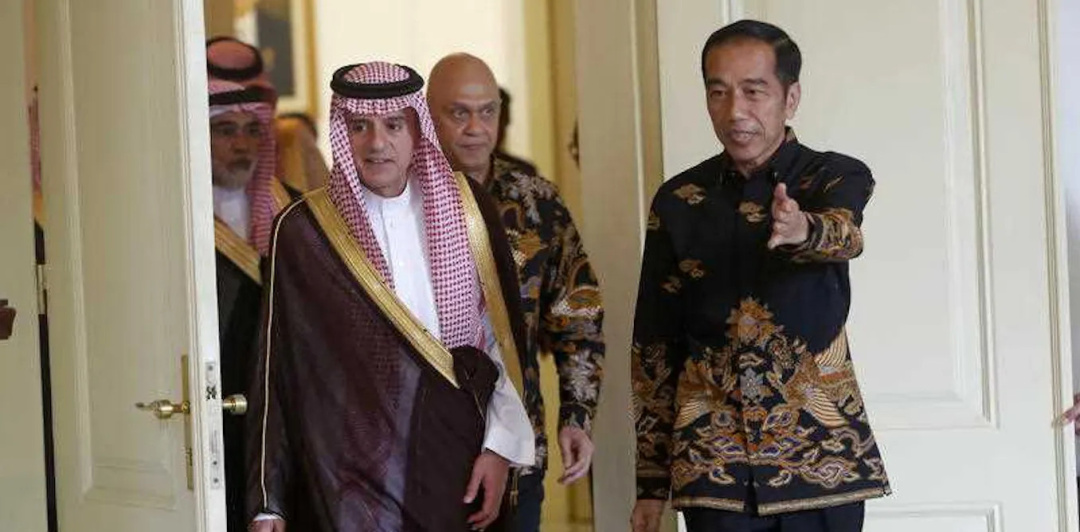
Saudi Arabia's recent diplomatic efforts, including a visit from their foreign minister and a substantial budget allocation for business and education during King Salman’s visit to Jakarta in 2017, highlight their ongoing attempts to maintain influence in the region. However, the ideological and economic ties fostered by Saudi funding complicate any efforts to shift these relationships.
The rise of Wahhabi and Salafi ideologies in Malaysian and Indonesian politics is a direct result of this influence, as Saudi-trained scholars are increasingly integrated into governmental structures. This trend not only promotes conservative Islamic views but also risks deepening societal divisions between liberal and orthodox factions within Islam.
As Saudi Arabia continues to invest in Southeast Asia, the challenge remains: how to navigate the complexities of these relationships while addressing the growing concerns over extremism and the potential for increased polarization within these societies. The intertwining of Saudi financial support with local political structures makes it difficult to envision a future where this influence could be effectively curtailed, despite the current political backlash against the kingdom.