Teachers Unions Rally Against Hochul's Federal School Choice Plan
Governor Kathy Hochul's plan for New York to join the federal school choice program has sparked significant opposition from teachers unions. As the state prepares to become the 30th to participate, union leaders claim the initiative undermines public education, while supporters argue it offers vital opportunities for students. Teach Coalition's CEO Sydney Altfield counters union misinformation, emphasizing that the program is a tax credit scholarship, not a traditional voucher system.

Teachers unions are mobilizing against Governor Kathy Hochul as New York prepares to become the 30th state to join the federal school choice program. The union's protest is fueled by concerns that the initiative will divert resources from public education and undermine the role of teachers unions. Sydney Altfield, CEO of Teach Coalition, criticized the unions for spreading what he describes as "misconceptions" about the program. He asserts that those genuinely invested in children's success will recognize the potential benefits of the initiative.
Tax-credit scholarships, which have historically been implemented at the state level, allow individuals or corporations to receive tax credits for donations made to non-profit scholarship organizations. This system differs from traditional voucher programs that directly draw from state education funds. Instead, tax credits enable taxpayers to redirect a portion of their tax liabilities toward funding scholarships for students.
Hochul's office confirmed in May that she intends to opt New York into the federal tax-credit scholarship program, making it the 30th state to participate. Emma Wallner, a spokesperson for the governor, stated, "Governor Hochul is supportive of the federal tax credit scholarship and its potential to help New York students and schools." The office is currently awaiting further details from the federal government regarding the program.
Historically, school choice has been a contentious issue for many Democrats, who argue that such models siphon resources from public schools. However, some Democratic governors, like Colorado's Jared Polis, have recently embraced the federal program, citing its benefits for families seeking educational alternatives. Polis described his decision as a necessary step to empower parents with greater choices for their children's education.
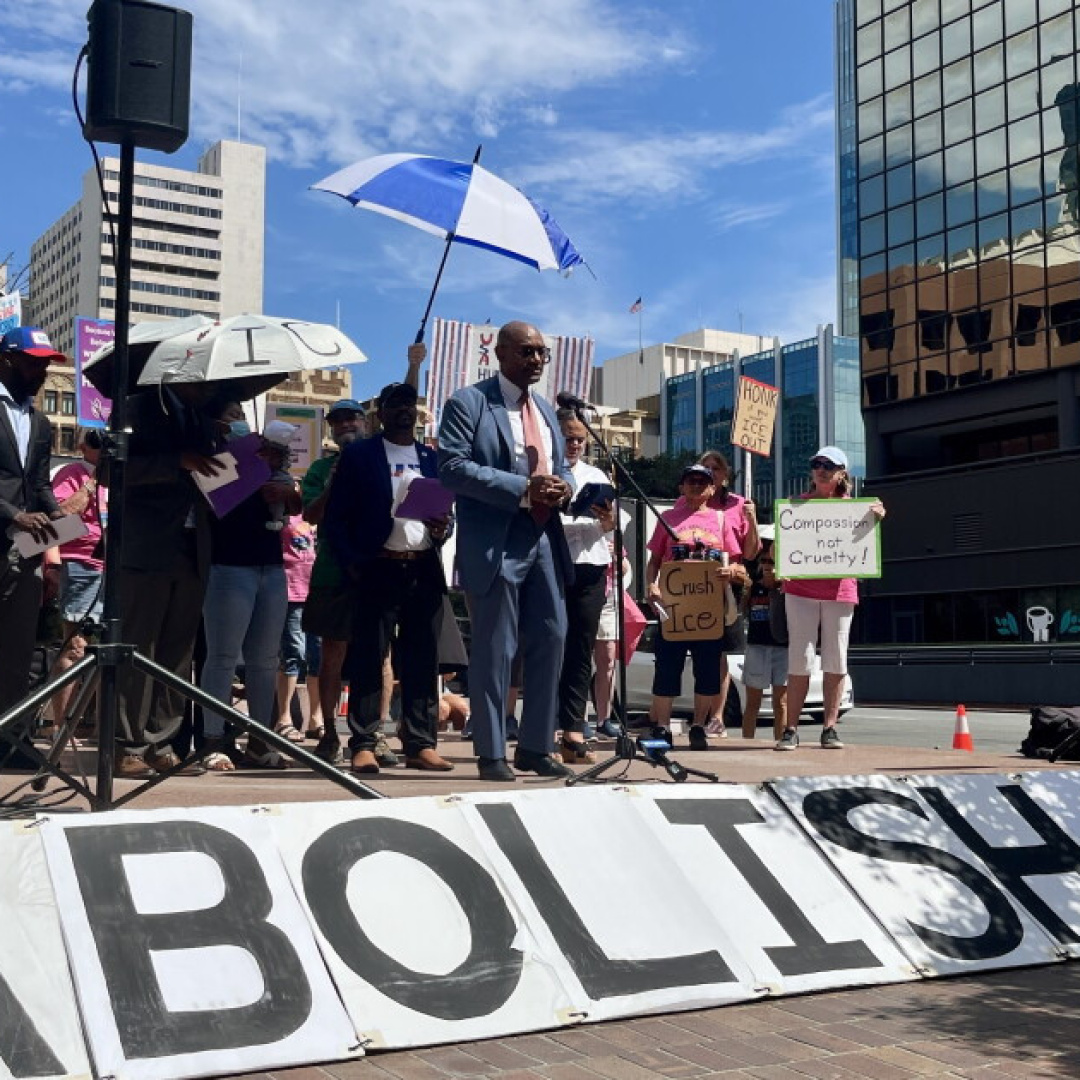
Despite these arguments, major labor groups remain staunchly opposed. Unions, including the United Federation of Teachers (UFT) and the New York State Union of Teachers (NYSUT), are organizing a demonstration to voice their dissent against Hochul's decision. They have launched a public petition urging state leaders to reject the program, arguing that it would redirect tax dollars to private tuition for families who do not utilize public schools.
Unions Cite Fiscal Risks of School Choice
The unions' petition highlights fiscal challenges faced by other states that have expanded school choice models, citing examples like Florida's inability to account for $270 million in voucher funds in one year. They argue that every dollar diverted to private schools is a dollar taken away from public schools that serve the majority of New York's children.
Altfield, however, strongly disputes the notion that the program would harm public school funding. He emphasizes that the funding for tax-credit scholarships does not come from state budgets or public school resources. "This money does not come out of state budgets. It does not come out of state public school resources," he stated, countering the narrative pushed by union leaders. He also noted that both private and public school students can access these scholarships, which he argues is a crucial point often overlooked in the debate.
The Common Sense Test
As the opposition mounts, union advocates continue to express skepticism about the program's potential impact. They raise concerns over the lack of federal oversight for private institutions and warn that the initiative could exacerbate existing equity gaps in the state's education system. Critics argue that without proper accountability measures, the program may not serve all students equitably.
In the face of union opposition, the question remains: will New York's entry into the federal school choice program ultimately benefit students and families seeking alternatives, or will it undermine the public education system? The debate highlights a fundamental tension between traditional public school advocates and those pushing for greater educational choice. As the state moves forward with this initiative, the implications for New York's education landscape will be closely watched by both supporters and detractors alike.