Pentagon Report Reveals Munitions Shortfall from Iran Conflict
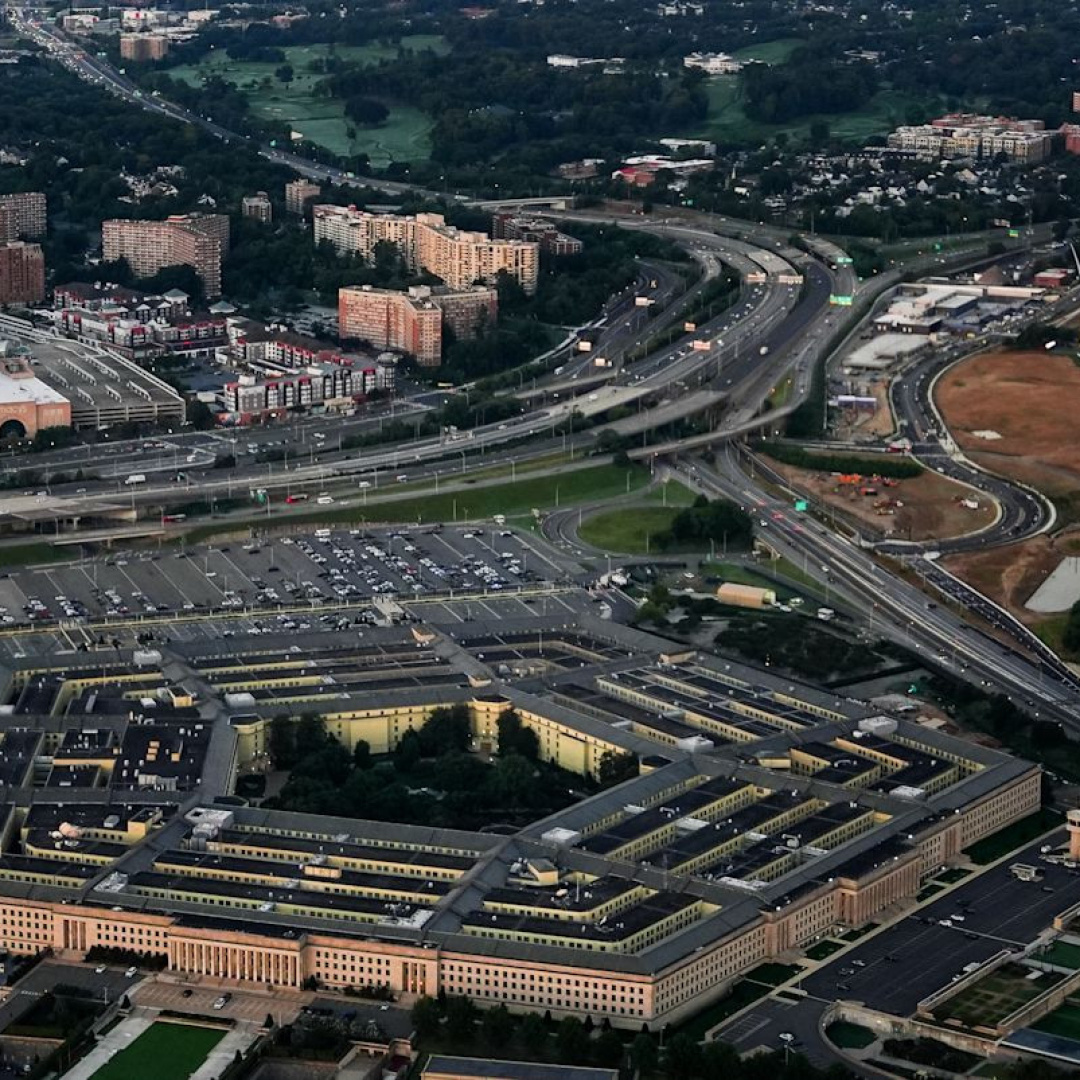
The Pentagon's inspector general has released a report detailing the impact of the ongoing war with Iran, highlighting significant U.S. munitions shortfalls and supply chain bottlenecks. The report outlines the costs associated with the conflict, including damage to military assets and the challenges faced by U.S. forces, raising concerns about national security and military readiness.

The Defense Department's inspector general has issued a critical report on the ongoing war with Iran, revealing that the conflict has led to a significant shortfall in U.S. munitions and has created bottlenecks in supply chains. This report marks one of the first public assessments detailing the war's costs and implications for U.S. military operations. The inspector general noted that the Pentagon is actively working to address these constraints by streamlining procurement processes and stockpiling essential materials to ensure rapid response capabilities in future contingencies.
Despite the findings, Defense Secretary Pete Hegseth has publicly denied claims that the U.S. is running low on munitions. President Donald Trump, in a recent statement on Truth Social, asserted that the U.S. is producing more advanced weaponry than ever before, with daily deliveries to forces in the Middle East. This assertion contrasts sharply with the inspector general's report, which indicates a dire situation regarding munitions availability.
The report, mandated by Congress, covers the period from the war's initiation on February 28 through June 30. It provides a rare glimpse into the financial implications of the conflict, estimating the costs at approximately $33.4 billion, which includes $22.3 billion for expended munitions and $3.7 billion for equipment losses. However, this figure does not account for the extensive damage to military and intelligence assets, which could elevate the total costs significantly higher.
Among the alarming findings, the report confirms that Iran has targeted key U.S. military logistics in Bahrain with drones and ballistic missiles. This revelation underscores the escalating threats faced by U.S. forces in the region. The report also highlights the toll on U.S. personnel, with over 20,000 military and diplomatic staff displaced since the conflict began. Reports of low morale among troops deployed in the Middle East further complicate the situation, raising questions about the sustainability of U.S. military efforts.
Consequences of Military Engagement in the Region
In addition to the financial and logistical challenges, the report notes that the war has resulted in the destruction of at least 30 large U.S. drones and extensive damage to various military aircraft, including F-15E jet fighters and an F-35A Joint Strike Fighter. The State Department has also reported over $208 million in damages to diplomatic facilities across Iraq, Kuwait, Saudi Arabia, and the United Arab Emirates, which adds another layer of concern regarding U.S. diplomatic capabilities in the region.
Senator Tammy Duckworth, a combat veteran and member of the Senate Armed Services Committee, has called for comprehensive oversight of the war, emphasizing the need for transparency about the use of taxpayer dollars and the implications for national security. Duckworth's statement reflects a growing concern among lawmakers regarding the management of the war and its impact on American servicemembers.
The Common Sense Test
As the conflict continues, the Pentagon faces increasing pressure to provide clarity on the war's costs and its long-term implications for U.S. military readiness. The report's findings serve as a stark reminder of the challenges ahead and the importance of accountability in government decisions regarding military engagements.
The ongoing war with Iran has raised critical questions about U.S. military strategy and the effectiveness of current policies. As the situation evolves, it remains imperative for the government to prioritize transparency and accountability in its operations. The American public deserves to know how their resources are being utilized and the potential risks associated with prolonged military engagements. The findings of the inspector general's report should prompt a thorough examination of U.S. military commitments and their alignment with national interests. Only through careful oversight can the U.S. ensure that its military efforts are both effective and sustainable in the long run.