Iran's Rezaei Dismisses U.S. Talks Until Conditions Are Met

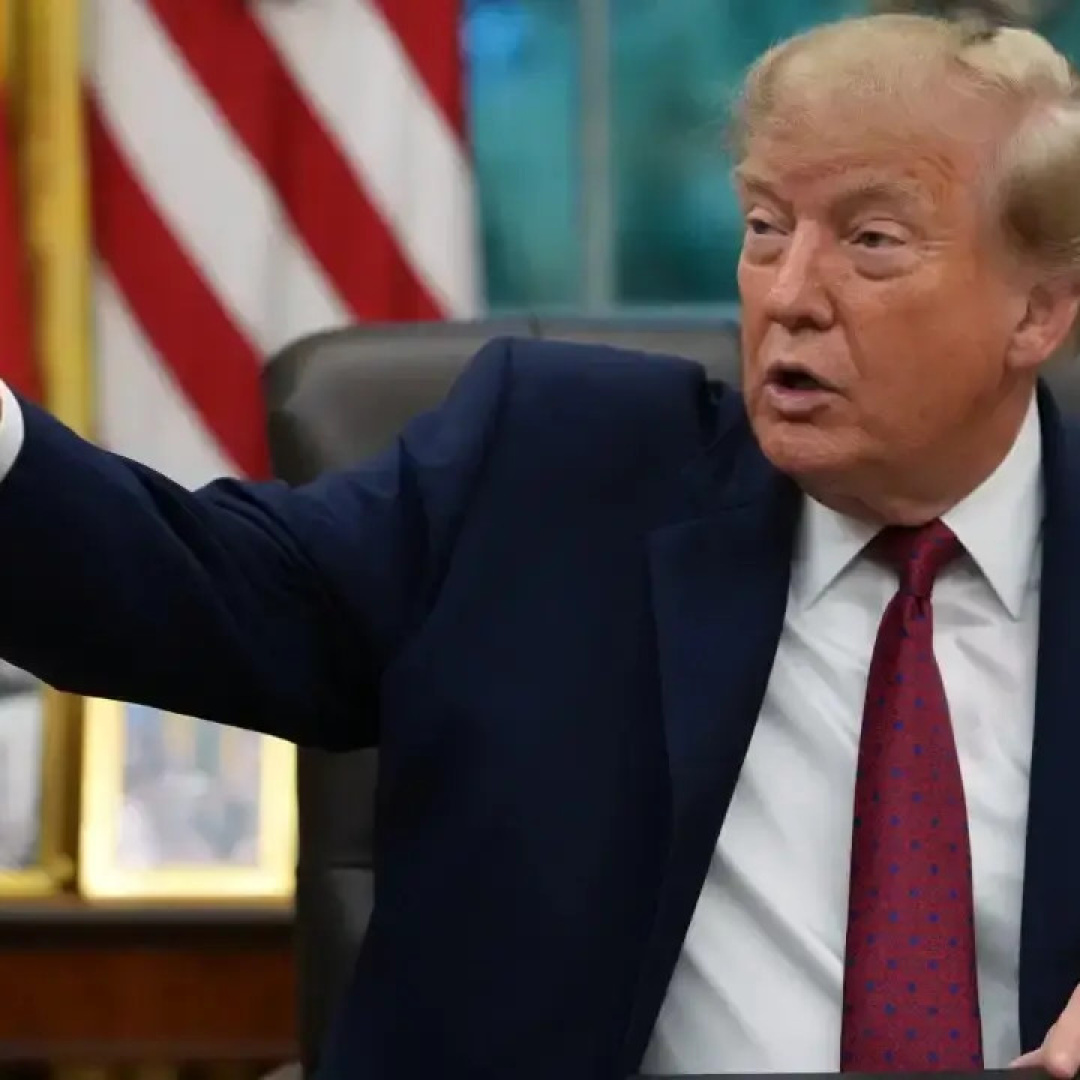
In a clear dismissal of U.S. overtures, Mohsen Rezaei, the head of Iran’s Supreme National Security Council, stated that Iran will not engage in negotiations with the United States until certain conditions are fulfilled. This statement follows a recent post by U.S. President Donald Trump on Truth Social, where he suggested that Iran is eager to make a deal. Trump’s remarks indicate a shift in his previous stance, where he expressed disinterest in negotiations with Iran.
Rezaei's comments, made on X, cautioned against being misled by what he described as Trump’s mixed signals. "Don’t get distracted by the U.S. president’s mixed signals -- from ‘no negotiations’ to ‘we’re ready to talk,’" he said, emphasizing that the stakes surrounding oil and regional conflicts have escalated. He firmly declared, "No talks until Iran’s conditions are met. Period!"
Common Sense Shop
The United States of Common Sense
Amazon shopping links. Sponsor Complete!
This exchange underscores the ongoing complexity of U.S.-Iran relations, characterized by conflicting public statements from both leaders. While Trump’s recent comments suggest a willingness to negotiate, Iranian officials have reiterated that any talks would only proceed if the U.S. honors commitments made in a June Memorandum of Understanding (MoU). These commitments include lifting the blockade on Iranian ports, providing sanctions relief, and ceasing military actions against Iran.
Despite the potential for dialogue, there is no indication that Trump is prepared to meet these conditions. Earlier reports indicated that the U.S. had conveyed through intermediaries that it would not return to the terms of the MoU, a message delivered on August 24, coinciding with Treasury Secretary Scott Bessent's announcement of significant economic sanctions against Iran.
U.S. Military Adjustments Heighten Regional Tensions
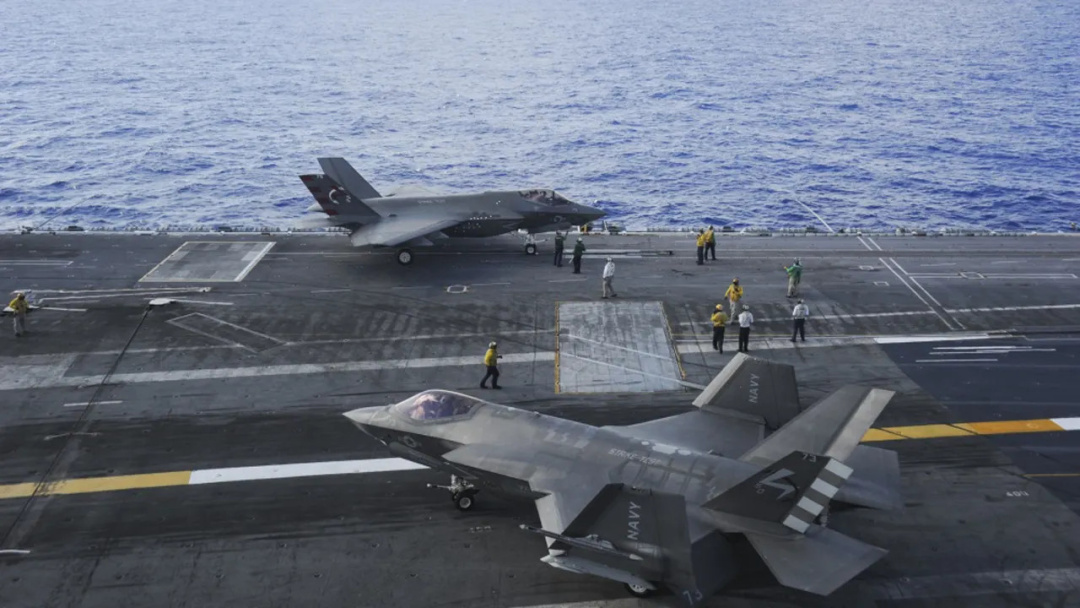
In a related development, the U.S. military has reportedly reduced the air defense coverage it provides to commercial vessels in the Strait of Hormuz, a critical shipping lane. This reduction raises concerns about the safety of maritime operations in the region, especially as tensions between the U.S. and Iran continue to simmer.
As negotiations remain stalled, Rezaei has indicated that Iran is preparing a list of conditions for any potential mediators, including a demand for the cessation of hostilities in the region. The Iranian government has also been in talks with Oman regarding a transit corridor through the Strait of Hormuz, contingent upon the fulfillment of its demands.
The Common Sense Test
Both sides have maintained their positions without any sign of compromise. Iran’s foreign ministry spokesman confirmed that discussions about a maritime transit route with Oman are ongoing, although the process has been slow due to security complexities.
As of now, there are no scheduled talks between the U.S. and Iran, and Rezaei's firm stance indicates that any future negotiations will hinge on the U.S. meeting Iran’s outlined conditions. With both nations holding steadfast to their positions, the path to diplomatic engagement appears fraught with challenges.